Riding an electric bike adds excitement and convenience to daily life, but many new owners worry about the charging process. Questions like “How do I charge my e bike battery safely? ” or “Can I overcharge it? ” are common.
Charging your e bike battery is not just about plugging it in — it’s about protecting your investment, maximizing battery life, and ensuring safe use. Whether you’re a first-time user or want to get more from your e bike, understanding the right way to charge your battery is essential.
This guide explains every step, from preparing to charge, handling different battery types, finding the best charging practices, and avoiding mistakes that can shorten battery life. You’ll learn how to recognize when your battery needs charging, what to do if you lose your charger, and how to store your battery during the off-season.
With practical advice and key tips, you’ll be confident every time you plug in.
Understanding E Bike Batteries
E bike batteries come in various types, each with its charging habits and lifespan. Most modern e bikes use lithium-ion batteries, while some older or budget models use lead-acid or nickel-metal hydride batteries. Knowing your battery type helps you make better decisions.
| Battery Type | Average Lifespan (charge cycles) | Weight | Charging Time |
|---|---|---|---|
| Lithium-ion | 500–1,000 | Light | 3–6 hours |
| Lead-acid | 300–500 | Heavy | 6–8 hours |
| Nickel-metal hydride | 400–600 | Medium | 4–6 hours |
Lithium-ion batteries are popular because they are lighter, last longer, and have no “memory effect.” This means you can charge them at any level. Lead-acid batteries are cheaper but heavier and less efficient. Nickel-metal hydride batteries are rare in e bikes today.
Before charging, check your e bike’s manual for specific instructions about your battery type.
When To Charge Your E Bike Battery
Knowing the right time to charge is as important as knowing how. Most e bikes have a battery level indicator. It’s best to charge when the battery drops to around 20–30%. Don’t wait until it’s completely empty unless your manual says it’s safe.
Key points:
- Avoid full discharge: Lithium-ion batteries prefer not to be drained completely.
- Partial charging is fine: Topping up to 80–90% rather than always charging to 100% can extend life.
- Regular use: If you use your e bike daily, charge after each ride. If you use it weekly, charge every few days.
- Storage: For long-term storage, keep the battery at 50–70% charge.
Insight: Many people think frequent charging is bad. In reality, small top-ups are good for lithium-ion batteries.
Preparing To Charge
Before connecting your charger, do a quick safety check:
- Inspect the battery and charger for damage, moisture, or corrosion. Never charge a damaged battery.
- Find a stable, dry area away from flammable materials.
- Use the official charger that came with your e bike. Third-party chargers can damage the battery or even cause fires.
- Check the power supply to make sure the voltage matches your charger’s requirements.
Plug the charger into the wall first, then connect to the battery. This order reduces risk of sparks.
How To Charge E Bike Battery: Step-by-step
Charging is simple, but a few details matter. Here’s a step-by-step process:
- Switch off your e bike: Turn off the main power to prevent electrical issues.
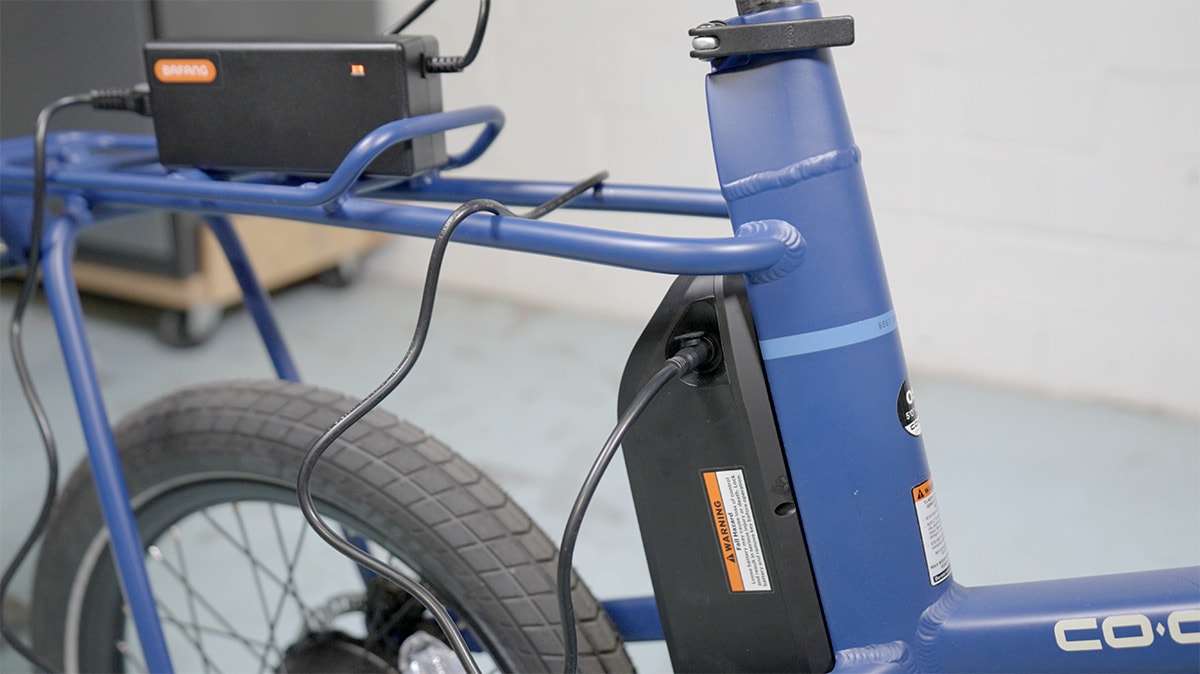
- Remove the battery if needed: Many e bikes allow you to remove the battery for charging indoors. Others require you to charge with the battery on the bike.
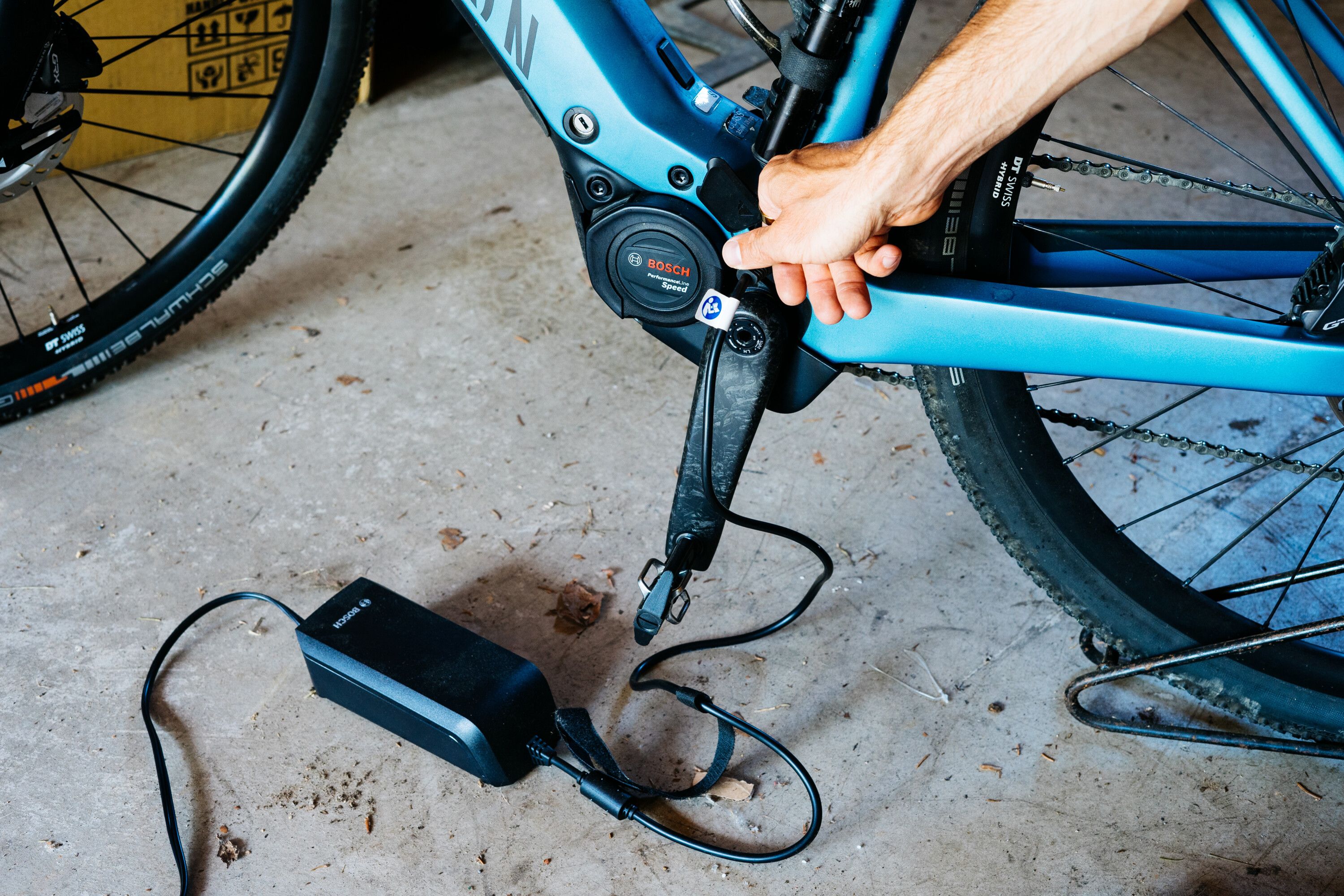
- Plug the charger into the battery: Make sure the connectors are clean and fit snugly.
- Connect the charger to the wall outlet: Always connect to a standard outlet and avoid extension cords if possible.
- Monitor charging: Most chargers have a light indicator (red for charging, green for full). Charging usually takes 3–6 hours.
- Unplug when finished: First disconnect from the wall, then from the battery.
- Reinstall the battery: If you removed the battery, wait a few minutes before placing it back on the bike.
Pro tip: Don’t leave your battery charging overnight until you are sure your charger has proper overcharge protection.
Credit: www.rei.com
Charging On And Off The Bike
Some e bikes have removable batteries; others are built-in. Both methods have pros and cons.
| Charging Method | Pros | Cons |
|---|---|---|
| On the bike | Convenient, no removal needed | Bike must be near outlet; less secure |
| Off the bike | Can charge indoors; safer from theft | Extra step to remove/install battery |
If you live in a cold or hot climate, charging indoors helps the battery last longer. Batteries prefer room temperature (15–25°C or 59–77°F).
How Long Does Charging Take?
The charging time depends on your battery’s capacity and charger speed. Most e bike batteries are between 300–700 watt-hours (Wh).
- Standard charger (2A–3A): 4–6 hours for a full charge.
- Fast charger (4A–5A): 2–4 hours but can stress the battery if used often.
Check your manual for exact times. Never try to “speed up” charging with a stronger charger unless your battery supports it.
Non-obvious insight: The last 10–20% of charging is slower. This “trickle” phase protects the battery from overcharging.
Credit: www.youtube.com
Common Charging Mistakes To Avoid
Many new e bike owners make mistakes that can shorten battery life or create safety risks.
- Using a non-original charger: Other chargers may not match voltage or current, causing overheating.
- Charging in extreme temperatures: Below 0°C (32°F) or above 40°C (104°F) can damage cells.
- Leaving battery plugged in for days: Even with overcharge protection, it’s best to unplug after full.
- Ignoring signs of damage: Swelling, odd smells, or leaks mean the battery needs service.
- Storing battery empty or full: Store at half charge if not using for more than a month.
Optimizing Battery Life Through Charging
Your charging habits directly affect how long your battery lasts. Here’s how to get the most out of it:
- Partial charge cycles: Charging from 30% to 80% is less stressful than 0% to 100%.
- Cool-down after riding: Let the battery rest 15–30 minutes after a ride before charging.
- Avoid deep discharge: Going below 10% too often reduces lifespan.
- Occasional full charge: Once every 1–2 months, charge to 100% to balance battery cells.
Expert tip: If your e bike has a “storage mode” or “long-term storage” setting, use it before storing your battery for winter.
Charging On The Go
Many e bike users want to charge while away from home. Here’s what you need to know:
- Carrying your charger: Most chargers are light and fit in a backpack.
- Public outlets: Some cafes, libraries, or bike shops allow e bike charging — always ask first.
- Portable power banks: High-capacity portable batteries can charge your e bike but are heavy and expensive.
- Solar chargers: Useful for remote trips, but slow and require bright sun.
Example: If your commute is 30 km each way, a quick 1-hour top-up at work can add 20–30% range for the ride home.
What To Do If You Lose Your Charger
Losing your charger is frustrating, but don’t rush to buy a random replacement. Here’s what to do:
- Check your manual for the exact charger model and specifications (voltage, amperage, connector type).
- Contact your e bike manufacturer or dealer for a replacement.
- Only buy from trusted brands or official suppliers.
- Avoid universal chargers unless they match all specs exactly.
A wrong charger can damage your battery or void your warranty.
Credit: navya-entertainment.com
Storing Your Battery Safely
If you won’t use your e bike for weeks or months, proper storage is key:
- Charge to 50–70% before storing.
- Store in a cool, dry place: Avoid garages with extreme heat or cold.
- Check charge every 2–3 months and top up if it drops below 30–40%.
- Remove the battery from the bike if possible.
Non-obvious insight: Batteries lose charge slowly over time, even when not in use. Never store empty.
Safety Tips For Charging
Safety should always come first:
- Never cover your battery or charger during charging. Heat build-up can cause fire.
- Keep away from water or rain — even “water-resistant” batteries are not waterproof when charging.
- Don’t use damaged cables or plugs.
- Install a smoke detector in your charging area if you charge indoors regularly.
- Supervise charging whenever possible.
If you ever notice a burning smell, smoke, or heat, disconnect immediately and move the battery to a safe place.
Comparing E Bike Charging Vs. Other Devices
It’s helpful to see how e bike battery charging compares to other common devices:
| Device | Battery Capacity (Wh) | Average Charge Time | Charger Type |
|---|---|---|---|
| E Bike | 300–700 | 3–6 hours | Specialized |
| Smartphone | 10–20 | 1–2 hours | USB |
| Laptop | 40–100 | 1–2 hours | DC Adapter |
| Power Tool | 40–100 | 0.5–1 hour | Dock |
E bike batteries are much larger, so charging safely is more important.
Signs Of A Healthy Vs. Failing Battery
It’s important to recognize when your battery is performing well — or when it’s time for service or replacement.
Healthy battery:
- Holds charge for expected distance
- Charges within normal time
- No swelling, leaks, or strange smells
Failing battery:
- Loss of range even after full charge
- Takes much longer or shorter to charge
- Gets unusually hot during charging
- Physical damage or bulging
If in doubt, contact your dealer or battery expert.
Maximizing Range With Smart Charging
Charging habits affect range. Here’s how to get more distance per charge:
- Charge fully before long trips
- Use lower pedal assist levels to reduce drain
- Avoid “boost” mode unless needed
- Keep tires inflated and bike maintained
A well-charged, healthy battery means fewer surprises on the road.
Frequently Asked Questions
How Often Should I Charge My E Bike Battery?
You can charge your battery after every ride, but it’s best to avoid letting it drop below 20–30%. Regular top-ups are safe for lithium-ion batteries.
Can I Overcharge My E Bike Battery?
Most modern chargers stop charging automatically, but it’s safer to unplug once full. Leaving it plugged in for days is not recommended.
Is It Safe To Charge My E Bike Battery Overnight?
It’s generally safe if your charger has overcharge protection, but always follow your manufacturer’s advice. For extra safety, charge during the day when you can check on it.
What Should I Do If My Battery Gets Hot While Charging?
A warm battery is normal, but if it’s very hot or smells strange, unplug it immediately and contact your dealer. Overheating can be dangerous.
Where Can I Find An Official Replacement Charger?
Always buy from your e bike manufacturer, dealer, or a reputable supplier. Check your manual for the exact specifications. For more details, see this Wikipedia article on e bike batteries.
Charging your e bike battery the right way is simple but important. With good habits and careful attention, your battery can last for years and keep you moving further with every ride.