Riding an electric bike brings a lot of freedom. You don’t have to worry about fuel or loud engines—just charge the battery and go. But how long does it actually take to charge an electric bike? If you’re new to e-bikes, this is a common question.
Charging time affects how you plan your rides, your daily routine, and even which e-bike you decide to buy. Understanding this topic is not as simple as looking for one number. Many factors affect charging time, and a smart e-bike owner knows how to manage them for the best experience.
Let’s explore all you need to know about charging electric bikes, from battery types to real-life tips for faster and safer charging.
What Affects Electric Bike Charging Time?
The time it takes to charge an electric bike is not the same for everyone. Several factors work together to determine how long your e-bike will be plugged in.
Battery Capacity
Battery size is measured in watt-hours (Wh) or amp-hours (Ah). A bigger battery stores more energy, so it naturally takes longer to charge. For example, a 500Wh battery will take longer than a 250Wh battery if both use the same charger. Most city e-bikes come with batteries between 250Wh and 700Wh. High-performance or mountain e-bikes may have batteries up to 1,000Wh or more.
Charger Output
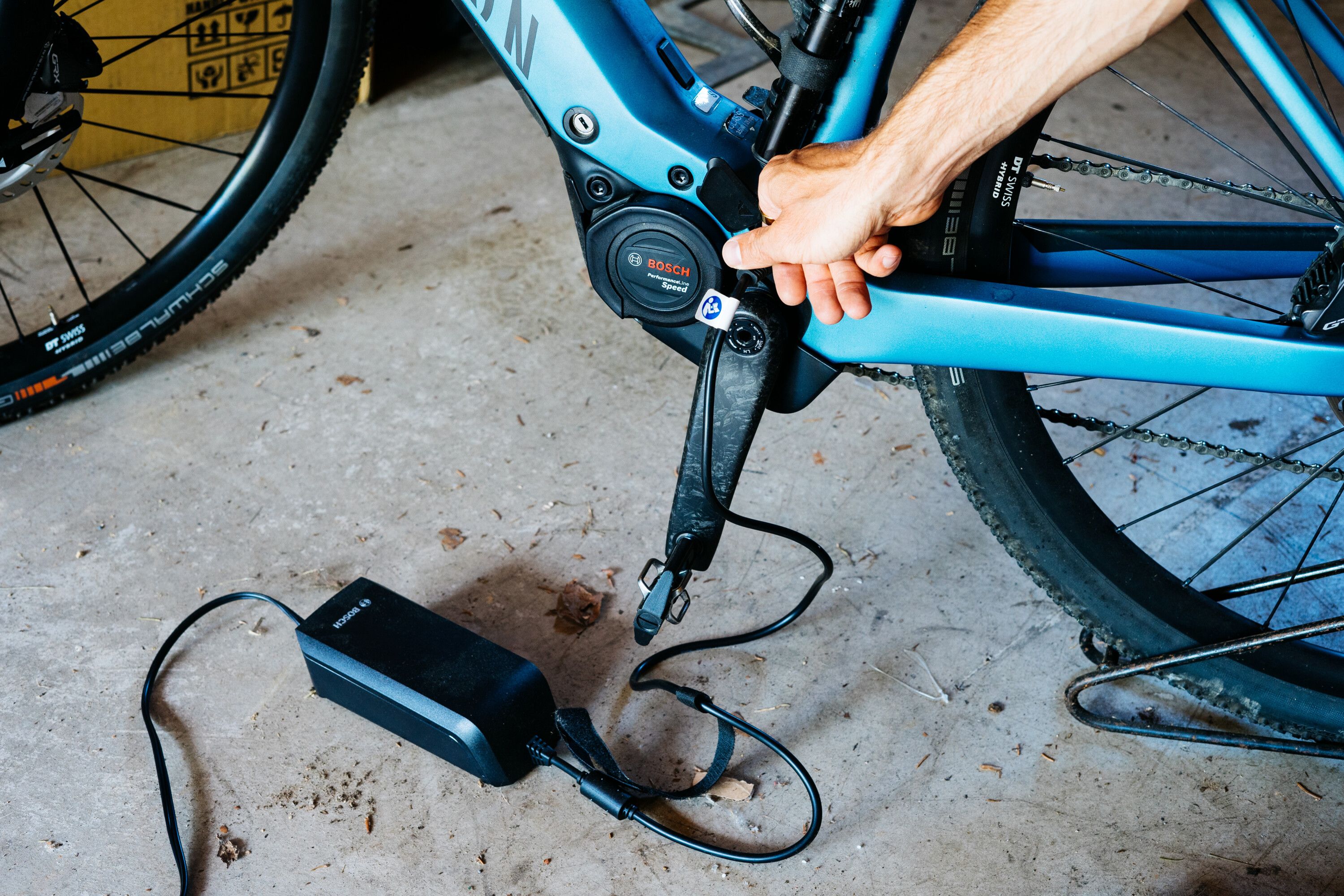
The charger’s power is measured in amps (A) or watts (W). A charger with higher output will fill up your battery faster. For example, a 2A charger is slower than a 4A charger. However, not all batteries can safely take high current, so you must use the correct charger for your battery.
Battery State Of Charge
Charging from empty (0%) to full (100%) takes longer than charging from half-full (50%) to full. The last 10-15% usually charges more slowly. This is because the battery management system slows down to protect the cells when the battery is nearly full.
Battery Age And Temperature
Older batteries usually take longer to charge. Also, charging in very cold or hot temperatures can slow things down or even damage your battery. The ideal temperature for charging is usually between 10°C and 30°C (50°F to 86°F).
Built-in Battery Management System
Most modern e-bikes have a battery management system (BMS) that controls how the battery charges. The BMS prevents overcharging and keeps the battery healthy, but it can slow down charging, especially as the battery gets close to full.
Typical Charging Times For Electric Bikes
You might wonder, “So, how long will it take for my e-bike to be ready? ” Here’s what you can expect in most cases.
| Battery Capacity | Charger Output | Approx. Charging Time |
|---|---|---|
| 250Wh | 2A | 2 – 2.5 hours |
| 500Wh | 2A | 4 – 6 hours |
| 500Wh | 4A (fast charger) | 2 – 3 hours |
| 700Wh | 2A | 6 – 7 hours |
| 700Wh | 4A | 3 – 4 hours |
Most e-bikes take between 3 and 6 hours to charge from empty to full. Using a fast charger can reduce this time, but always check your battery’s limits.
Fast Charging: Is It Safe And Practical?
Many new e-bikes offer fast charging options, but there are trade-offs. While fast charging is convenient, especially if you need your bike ready in a hurry, it can create more heat and stress the battery. Over time, this may reduce battery life.
- Standard charging (2A): Safer for battery health. Best for regular use.
- Fast charging (4A or more): Good for emergencies, but use sparingly.
Some e-bike brands, like Bosch and Shimano, offer special fast chargers. These can cut charging time in half, but always follow the manufacturer’s advice to avoid damaging your battery.
How To Calculate Your Electric Bike’s Charging Time
You can estimate how long it will take to charge your e-bike with a simple formula:
Charging time (hours) = Battery capacity (Wh) ÷ Charger output (W)
For example, if you have a 500Wh battery and a 100W charger (which is about 2A at 48V):
Charging Time = 500wh ÷ 100w = 5 Hours
Remember, real charging time can be a bit longer due to energy losses and slower charging at the end.

Credit: www.bicycling.com
Charging Different Types Of E-bike Batteries
Electric bikes use several types of batteries. Each has its own charging needs and times.
Lithium-ion (li-ion)
Most modern e-bikes use lithium-ion batteries. These are light, powerful, and charge quickly. They usually need 3 to 6 hours for a full charge. Li-ion batteries can be charged partially without damage, so you don’t have to wait until they are empty.
Nickel-metal Hydride (nimh)
Some older e-bikes use NiMH batteries. These take longer to charge—often 5 to 8 hours. They are heavier and less efficient than lithium-ion. NiMH batteries should be charged fully each time for best life.
Lead-acid
A few low-cost e-bikes still use lead-acid batteries. These are even slower to charge, needing 6 to 12 hours. They are much heavier and have a shorter lifespan. Lead-acid batteries should always be fully charged before use.
Partial Charging Vs. Full Charging
You do not always need to charge your e-bike battery to 100%. Most lithium-ion batteries are perfectly safe with partial charges. In fact, charging to only 80-90% can even extend battery life. This is useful if you only use part of the battery for short trips.
Key insight: Many e-bike owners think draining the battery completely before charging is best. This is not true for lithium-ion batteries. Partial charging is safe and may help your battery last longer.
Charging Practices For Maximum Battery Life
How you charge your e-bike can make a big difference in battery life and safety.
- Use the correct charger: Only use the charger that came with your e-bike or one approved by the manufacturer.
- Charge at room temperature: Avoid charging when the battery is very hot or cold.
- Don’t leave the battery charging overnight: Most modern chargers stop charging when full, but it’s safer to unplug when you can.
- Charge after every ride or at least once a month: Letting a battery sit empty can damage it.
- Store at 50-70% charge if not used for a long time: This keeps the battery healthy.
How Charging Time Affects Daily Use
Charging time shapes how you use your e-bike. For daily commuters, a long charging time could mean trouble if you forget to plug in. For recreational riders, overnight charging is usually fine.
Example Scenarios
- Short commute (10-20 km): You may only need to charge every few days. Charging overnight is enough.
- Delivery riders: Fast charging can help keep you on the road, but you may want a spare battery for zero downtime.
- Long tours: Plan to charge during lunch stops or overnight at hotels. Know your battery’s range and charging speed.

Credit: vtuviaebike.com
Comparing E-bike Charging To Other Devices
How Does Charging An E-bike Compare To Other Common Devices?
| Device | Battery Size | Typical Charging Time |
|---|---|---|
| Electric Bike | 250–700Wh | 3–6 hours |
| Smartphone | 10–15Wh | 1–2 hours |
| Laptop | 50–80Wh | 2–4 hours |
| Electric Car | 20,000–100,000Wh | 6–12 hours |
E-bikes fall between laptops and electric cars—much faster to charge than cars but needing more time than phones.
Common Charging Mistakes To Avoid
Many new e-bike owners make simple mistakes that can lead to slow charging or even damage.
- Using the wrong charger: This can overheat or undercharge your battery.
- Charging in extreme temperatures: Both heat and cold slow charging and harm the battery.
- Letting the battery go empty for long periods: This reduces battery life.
- Ignoring manufacturer instructions: Each battery is a little different. Always follow the manual.
Charging Multiple Batteries
Some e-bike riders keep an extra battery for longer rides. Can you charge both at the same time? Yes, if you have two chargers and outlets. But never try to charge two batteries with one charger unless it is designed for that. Doing so can be dangerous.
If you use your e-bike for delivery or touring, having a second battery can double your range and reduce downtime.
Charging From Different Power Sources
You don’t always have to charge at home. Many e-bikes can be charged from public charging stations, at work, or even with portable power banks (for smaller batteries). However, charging from a car or solar panel is slower and less efficient. Always make sure the voltage and current match your battery’s needs.
Real-world Charging Examples
Let’s look at two real-life charging cases:
City Commuter
- Battery: 400Wh
- Charger: 2A
- Usage: 20km daily
- Charging: Plugs in at night; takes about 3 hours to fully charge, but often only needs 1–2 hours for daily use.
Delivery Rider
- Battery: 700Wh
- Charger: 4A fast charger
- Usage: 60–80km daily
- Charging: Uses fast charger during lunch breaks; top-up charges for 1–2 hours, swaps to a second battery for extra range.
Are Removable Or Built-in Batteries Faster To Charge?
Most modern e-bikes have removable batteries. These are easier to charge since you can bring the battery inside, but charging time is about the same. Built-in batteries may need you to bring the whole bike near a socket. The main difference is convenience, not speed.
How To Know When Your E-bike Is Fully Charged
Most e-bike chargers have a light that turns green or off when charging is finished. Some e-bikes have a display showing battery percentage. Do not worry if the charger gets a bit warm—this is normal. If the charger stays hot or the battery does not charge fully, get it checked by a professional.
The Cost Of Charging An Electric Bike
Charging an e-bike is much cheaper than fueling a car. For example, a 500Wh battery uses about 0. 5 kWh. If electricity costs $0. 15 per kWh, one full charge costs about $0. 08. Even if you charge daily, that’s less than $3 per month.
Credit: navya-entertainment.com
Summary Table: Key Factors And Their Impact
Here’s a quick look at what changes your charging time the most:
| Factor | Effect on Charging Time | Notes |
|---|---|---|
| Battery Size | Large batteries take longer | Measured in Wh or Ah |
| Charger Output | Higher output = faster charging | Check for compatibility |
| Temperature | Extreme temps slow charging | Best at room temperature |
| Battery Age | Old batteries charge slower | May need replacement after 3-5 years |
| Charging Level | Last 10% is slower | Normal, protects battery |
Frequently Asked Questions
How Long Does It Take To Charge A 500wh E-bike Battery?
A 500Wh battery usually takes 4 to 6 hours with a standard 2A charger. Fast chargers can reduce this to about 2–3 hours, but always check your battery’s limits.
Can I Partially Charge My E-bike Battery, Or Do I Need To Charge It Fully Every Time?
You can safely partially charge your e-bike battery, especially if it’s lithium-ion. Partial charging is fine and can even help the battery last longer.
Is It Safe To Leave My E-bike Battery Charging Overnight?
Most modern chargers stop charging when the battery is full. Still, it’s safest to unplug after charging is done. Try not to leave the battery plugged in for many days.
What Happens If I Use A Faster Charger Than Recommended?
Using a higher-output charger than recommended can overheat or damage your battery. Always use the charger specified by your e-bike’s manufacturer.
How Much Does It Cost To Charge An Electric Bike?
Charging an electric bike is very cheap—usually less than $0.10 per full charge. This makes e-bikes one of the most affordable ways to travel.
Charging your electric bike is simple once you know the basics. By understanding how long it takes and how to do it properly, you keep your battery healthy and your rides smooth. For more technical details, you can check out the Electric Bicycle Wikipedia page. Whether you’re a daily commuter or a weekend explorer, smart charging means more time riding and less time waiting.