Electric bikes, or e-bikes, are changing how people move in cities and towns. They offer a faster, easier way to travel compared to regular bicycles. But as more people buy e-bikes, one important question comes up: Is an electric bike a motorized vehicle? This question matters for rules, safety, insurance, and how e-bikes fit into traffic. Many people find the answer confusing because laws, technology, and public opinions are not always the same. Let’s explore what makes a vehicle “motorized,” how electric bikes compare to cars and motorcycles, and what this means for riders and society.
What Makes A Vehicle “motorized”?
To understand if an electric bike is a motorized vehicle, we must first know what “motorized” means. Usually, a motorized vehicle is a machine that moves using a motor. This motor can be electric, gasoline, or diesel. Common examples are cars, motorcycles, scooters, and trucks. These vehicles need registration, insurance, and a driver’s license in most countries.
Electric bikes have a motor, but it is much smaller than those in cars or motorcycles. The motor helps the rider pedal, but does not always work alone. Most e-bike motors are between 250 and 750 watts. They only work when the rider is pedaling, or sometimes with a throttle. This makes e-bikes very different from traditional motorized vehicles.
Legal Definitions Around The World
Laws about e-bikes are not the same everywhere. Different countries and states use different words and rules.
United States
In the US, federal law says an e-bike is not a motor vehicle if:
- The motor is 750 watts or less
- The top speed is 20 mph when using the motor alone
- The bike has pedals
This means most e-bikes do not need a license, registration, or insurance. However, some states have stricter rules. For example, California groups e-bikes into three classes:
- Class 1: Pedal-assist only, up to 20 mph
- Class 2: Throttle assist, up to 20 mph
- Class 3: Pedal-assist only, up to 28 mph
Class 3 e-bikes are sometimes treated more like motorized vehicles. Riders may need to be older and wear helmets.
Europe
European Union law says e-bikes are not motor vehicles if:
- The motor is 250 watts or less
- The motor stops at 25 km/h (15.5 mph)
- The motor only works when pedaling
E-bikes that go faster or use more powerful motors must follow rules for mopeds, including registration and insurance.
Asia
In China, e-bike rules are stricter. E-bikes must:
- Weigh less than 55 kg
- Have a top speed under 25 km/h
- Use a motor less than 400 watts
If an e-bike does not meet these rules, it is treated as a motorcycle.
Australia
Australian law is similar to Europe. E-bikes are not motor vehicles if:
- The motor is 250 watts or less
- The motor only helps when pedaling
Otherwise, they are treated as motorized vehicles.
Key Differences Between Electric Bikes And Motorized Vehicles
Electric bikes and motorized vehicles share some features, but they are not the same. Let’s compare them in detail.
| Feature | Electric Bike | Motorized Vehicle |
|---|---|---|
| Motor Power | 250-750 watts | 5,000+ watts |
| Top Speed | 20-28 mph | 60+ mph |
| Pedals | Always present | Usually absent |
| License Needed? | Rarely | Always |
| Registration Needed? | Rarely | Always |
| Insurance Needed? | Rarely | Always |
| Allowed on Bike Paths? | Often | Never |
Most e-bikes are much lighter, slower, and easier to use than motorized vehicles. They can use bike lanes and paths, making them a good choice for city travel.
Types Of Electric Bikes And Their Status
Not all electric bikes are the same. Different types have different legal status.
Pedal-assist (pedelec)
These e-bikes only help when you pedal. The motor stops when you stop pedaling or reach a set speed. Most countries treat them as regular bicycles if the motor is small.
Throttle-assist
These e-bikes can move with a throttle, even if you do not pedal. They are more likely to be seen as motorized vehicles, especially if the motor is strong.
Speed Pedelec
These are fast e-bikes, with motors up to 500 watts and top speeds up to 28 mph (45 km/h). Many places treat them as mopeds, requiring registration and insurance.
Credit: www.roselle.il.us
Why Does The Classification Matter?
The label “motorized vehicle” affects many things:
- Where you can ride: Motorized vehicles are not allowed on bike paths or sidewalks in most places. E-bikes usually are.
- Licensing and age: Motorized vehicles require a license. E-bikes mostly do not.
- Insurance: Motorized vehicles must have insurance. E-bikes rarely do.
- Safety rules: Motorized vehicles must follow stricter safety laws.
If an e-bike is called a motorized vehicle, it becomes harder to use for simple, daily travel. It may lose its main advantage: easy, flexible movement.
How Electric Bikes Are Treated In Practice
In most cities, e-bikes are not seen as motorized vehicles. Riders can use bike lanes and paths, and do not need a license. But this is not always true.
Real-life Examples
- In New York City, throttle e-bikes were banned for years, but now they are allowed with new rules.
- In Paris, fast e-bikes must be registered and insured, just like scooters.
- In London, most e-bikes are treated as bicycles, but speed pedelecs must follow moped laws.
Even within a country, rules can change from city to city. Riders must check local laws before using their e-bike.
Insurance And Safety
Since e-bikes are usually not motorized vehicles, insurance is not required. However, some riders buy optional e-bike insurance to cover theft and accidents. Safety rules are also less strict. Riders must follow regular bicycle rules, such as wearing a helmet (if required by age or type).
But as e-bike speeds increase, accidents become more serious. Research shows that e-bike injuries are more common than regular bike injuries, and can be more severe. For example, a study in the US found that e-bike injuries increased by over 70% in three years. Some experts say e-bikes should have stricter safety rules.
Environmental Impact
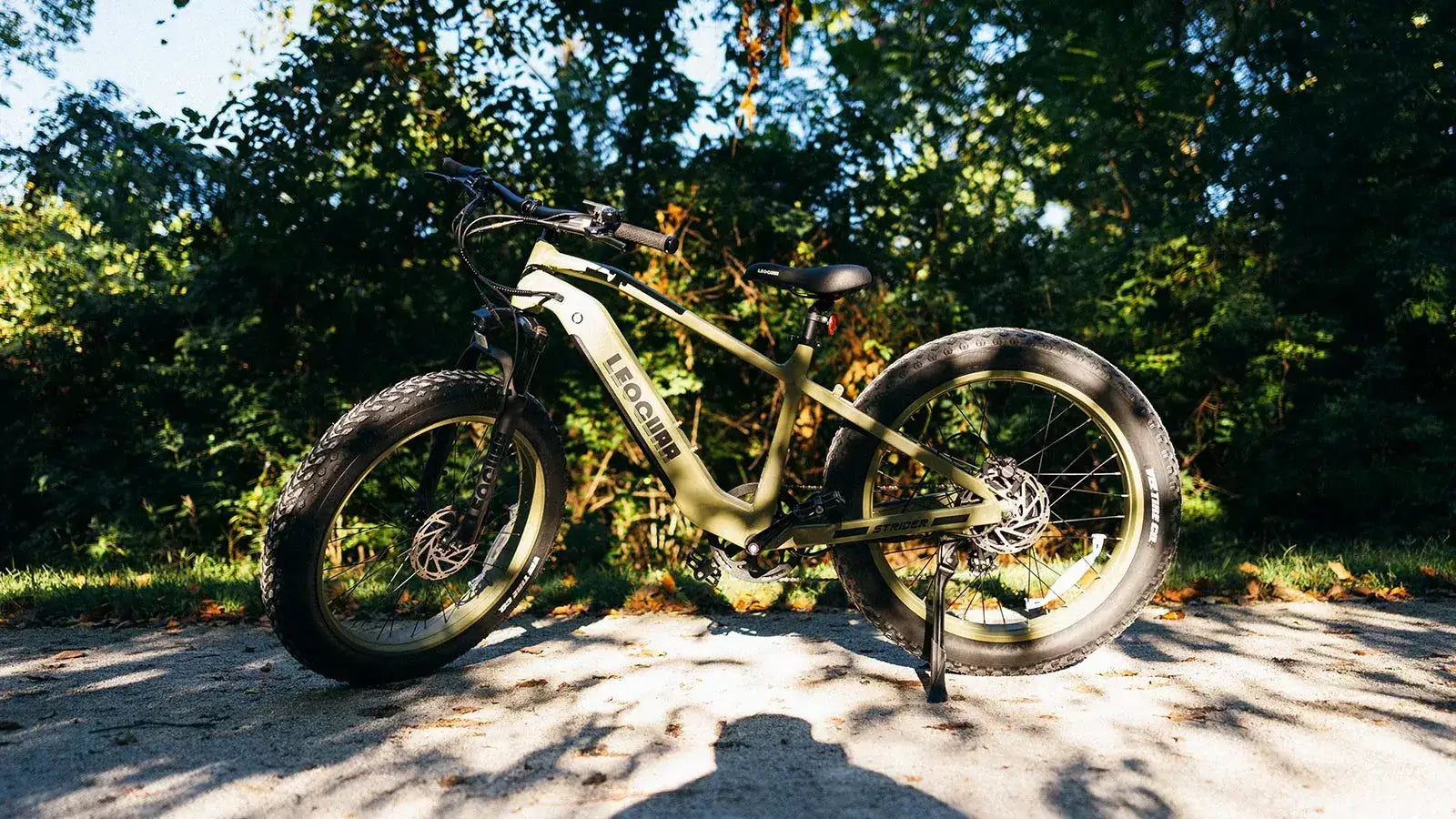
E-bikes are much cleaner than motorized vehicles. They use electric power, not gasoline. This means they produce less pollution and noise. For short trips, e-bikes are one of the greenest ways to travel. According to the European Cyclists’ Federation, riding an e-bike uses just 1/10th the energy of driving a car.
This is a key reason why e-bikes are not treated as motorized vehicles. They help cities cut traffic and pollution, making them a good option for busy urban areas.
Credit: leoguarbikes.com
Common Misunderstandings
Many people think all e-bikes are motorized vehicles because they have a motor. But the law is clear: small, slow e-bikes are not motorized vehicles in most places. Only faster, more powerful e-bikes are treated like mopeds.
Another mistake is thinking e-bikes always need insurance or registration. This is rarely true for regular pedal-assist e-bikes.
How Electric Bikes Compare To Mopeds And Scooters
Let’s look at how e-bikes, mopeds, and scooters differ.
| Type | Motor Power | License Needed | Allowed on Bike Paths | Registration |
|---|---|---|---|---|
| Electric Bike | 250-750 watts | No | Yes | No |
| Moped | 1,000+ watts | Yes | No | Yes |
| Electric Scooter | 200-500 watts | Sometimes | No | Sometimes |
This shows e-bikes are in their own category: not quite a motorized vehicle, not quite a regular bicycle.
Important Tips For E-bike Owners
If you own or want to buy an electric bike, keep these points in mind:
- Check local laws: Rules change by country and city. Make sure your e-bike is legal where you live.
- Know your e-bike class: Pedal-assist and throttle e-bikes have different legal status.
- Wear a helmet: Even if not required, it is safer.
- Consider insurance: Optional e-bike insurance can protect you from theft or accidents.
- Respect bike paths: Do not ride fast e-bikes on paths meant for regular bikes.
- Follow traffic rules: E-bikes must stop at lights and signs, just like other vehicles.
Non-obvious Insights Most Beginners Miss
- Motor power is not the only factor: Some laws look at top speed or if the motor works without pedaling. Even a weak motor can make an e-bike a motorized vehicle if it goes fast or uses a throttle.
- Age limits matter: Many places set age limits for riding fast e-bikes. For example, Class 3 e-bikes in California require riders to be at least 16.
- E-bike upgrades can change legal status: If you add a stronger motor or unlock higher speeds, your e-bike could become a motorized vehicle in the eyes of the law.
The Future Of E-bike Classification
As e-bikes become more popular, laws are changing. Some cities are adding new rules for fast e-bikes. Others are making special lanes for e-bikes to keep them safe from cars and regular bikes. Experts expect more clear laws soon, as governments want to support green transport but also protect people.
Frequently Asked Questions
Is An Electric Bike Always Treated As A Motorized Vehicle?
No, in most places, regular pedal-assist e-bikes are not treated as motorized vehicles. Only faster or more powerful e-bikes are treated as mopeds or scooters.
Do I Need A Driver’s License For An Electric Bike?
Usually not. If your e-bike meets local rules for motor power and speed, you do not need a license. But check local laws, especially for fast e-bikes.
Can I Ride My E-bike On Bike Paths?
Most regular e-bikes are allowed on bike paths. But fast e-bikes and throttle-only models may be banned. Always check signs and local rules.
Does My E-bike Need Insurance Or Registration?
Not usually. Regular e-bikes do not need insurance or registration. If your e-bike is treated as a motorized vehicle (like a moped), you will need both.
What Happens If My E-bike Is Too Powerful Or Fast?
If your e-bike goes faster or has a stronger motor than allowed, it becomes a motorized vehicle. You must follow rules for mopeds or motorcycles, including registration and insurance.

Credit: fiido.com
Final Thoughts
Electric bikes offer a smart way to travel, combining the ease of cycling with the boost of a motor. But are they motorized vehicles? For most e-bike owners, the answer is no. The law in many places sees e-bikes as bicycles, not motorized vehicles—if they have small motors and do not go too fast. This gives riders the freedom to use bike paths, skip registration, and avoid insurance. But as e-bikes get faster and more powerful, rules are changing. Understanding your local laws is key to safe and legal riding. If you want more details about e-bike rules, you can check the official guidelines at the Electric Bicycle Laws Wikipedia.