Measuring a bike stem length may sound simple, but it’s a detail that can have a big impact on your comfort, control, and cycling performance. Many riders overlook this small part of their bike. However, the stem length plays a key role in your riding position and how your bike handles. Whether you are adjusting your fit, changing your riding style, or just replacing a worn-out part, knowing how to measure your bike stem correctly is essential.
This guide will walk you through everything you need to know about measuring a bike stem length. You’ll find clear steps, useful examples, and expert tips to make sure you get it right. By the end, you will understand not just how to measure your stem, but also why it matters and what to consider before making a change.
What Is Bike Stem Length?
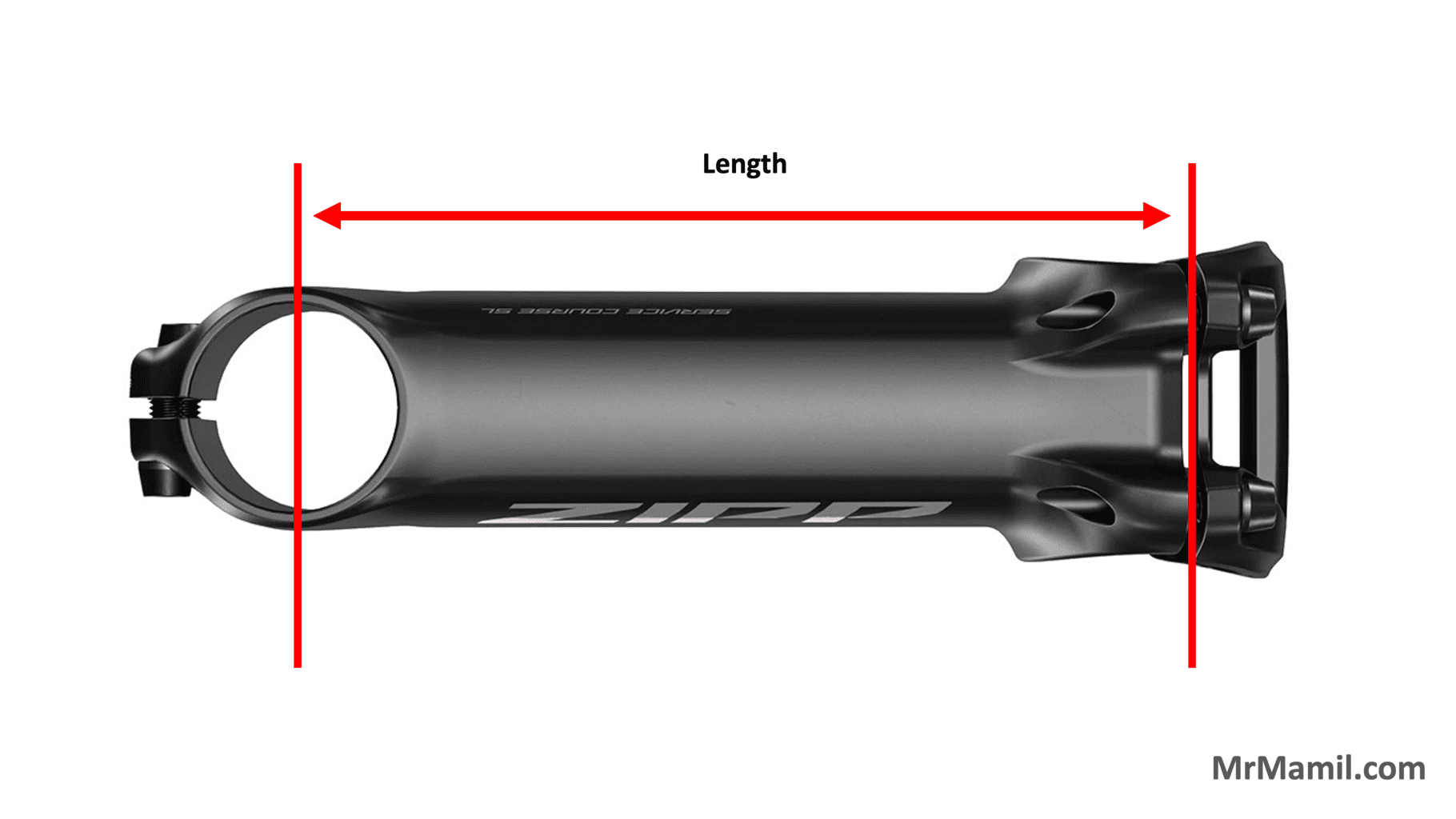
The bike stem is the part that connects your handlebars to the steerer tube of your fork. The stem length is the distance from the center of the steerer tube clamp to the center of the handlebar clamp, usually measured in millimeters. This is sometimes called the “extension” or “reach” of the stem.
A longer stem stretches you forward, making your position more aggressive, while a shorter stem brings the bars closer, resulting in a more upright and relaxed posture. Getting this distance right is crucial for comfort, control, and injury prevention.
Why Measuring Stem Length Matters
Many cyclists make the mistake of choosing a stem based on what’s already on their bike or what looks good. However, the wrong stem length can cause discomfort, pain, or poor bike handling. Here’s why measuring your stem is important:
- Comfort: A stem that’s too long can cause back, neck, and shoulder pain. Too short, and you might feel cramped.
- Performance: The right stem length helps you generate more power and pedal efficiently.
- Handling: Longer stems are stable at speed but harder to turn. Shorter stems are more agile but can feel twitchy.
Non-obvious insight: Even a 10mm change in stem length can noticeably alter your bike’s feel. Many professionals test multiple lengths to find the best fit.
Tools Needed To Measure Bike Stem Length
Before you start, gather these basic tools:
- Measuring tape (preferably metric)
- Ruler (for more accuracy)
- Allen key set (for removing the stem, if needed)
- Notebook/phone (to record measurements)
- Flat surface (for stable measuring)
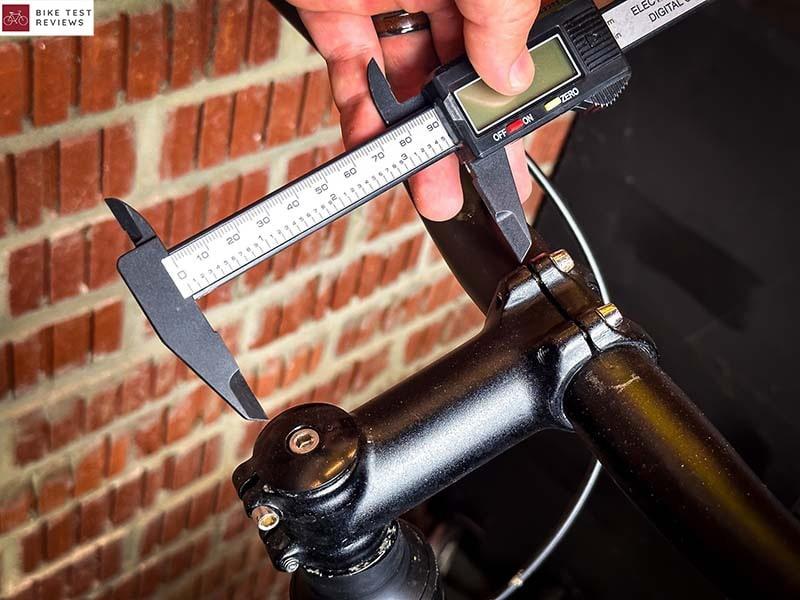
Extra tip: Use a digital caliper for high accuracy, especially if you plan to make a purchase based on the measurement.
Key Measurements Of A Bike Stem
While stem length is the main focus, there are a few related measurements you should know:
- Length: Center-to-center distance from steerer tube clamp to handlebar clamp (main measurement).
- Angle (Rise): The upward or downward tilt, measured in degrees.
- Clamp diameter: The size of the handlebar and steerer tube clamp areas (important for compatibility).
- Stack Height: The vertical length of the steerer tube clamp.
Here’s a comparison of typical stem lengths and their effect on riding position:
| Stem Length (mm) | Rider Position | Common Use |
|---|---|---|
| 60-80 | Upright | Mountain bikes, comfort bikes |
| 90-110 | Neutral | Road, hybrid bikes |
| 120-140 | Aggressive | Racing road bikes |
Non-obvious insight: Some modern mountain bikes use stems as short as 35mm, combined with wide bars for better handling on technical trails.
Step-by-step: How To Measure Bike Stem Length
Measuring a bike stem is straightforward if you follow these steps. You don’t need to remove the stem from your bike in most cases.
1. Identify The Stem Type
There are two main stem designs:
- Threadless stem: The most common today. Clamps around the outside of the steerer tube.
- Quill stem: Older style, slides inside the steerer tube.
The measurement method is the same, but knowing your stem type helps with compatibility.
2. Find The Center Points
Look at the stem from above. You want to measure from the center of the bolt (or hole) that clamps the stem to the steerer tube, to the center of the bolt (or hole) where it clamps the handlebars.
3. Measure The Length
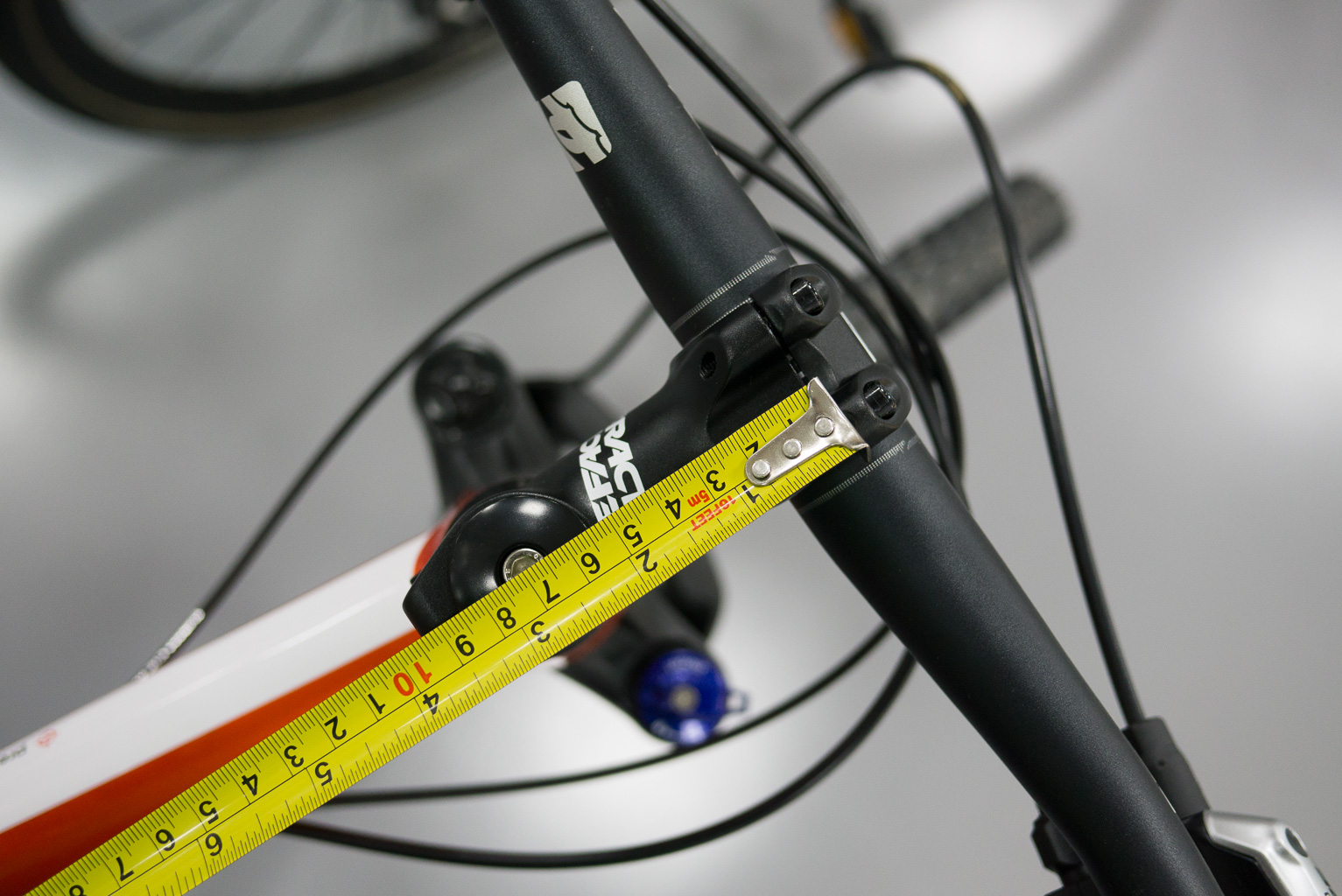
- Place your ruler or tape measure so that it runs straight from the steerer tube clamp center to the handlebar clamp center.
- Make sure your measurement is not along the side or top of the stem, but directly center-to-center.
- Most stems show their length printed or engraved on the underside.
Example: If your measurement reads 100mm from center to center, your stem length is 100mm.
4. Double-check For Accuracy
Repeat the measurement to be sure. Small errors can make a big difference, especially if you are comparing two stems.
Pro tip: If your stem is angled (has a rise), measure in a straight line (not along the angle) for the “effective” length. Some manufacturers list the “projected” length, which is the direct horizontal distance.
5. Record Other Key Details
While the main focus is length, also note:
- The angle (often 6°, 17°, etc.)
- The handlebar clamp diameter (commonly 31.8mm for modern bikes)
- The steerer tube diameter (usually 1 1/8” or 28.6mm)
Recording these helps when you shop for a new stem.
Measuring Stems Off The Bike
If you have a stem that’s not attached to a bike, lay it on a flat surface. Use the same center-to-center method. You can use a digital caliper for more precision.
Here’s a quick comparison of how to measure on vs. off the bike:
| On the Bike | Off the Bike |
|---|---|
| Measure with bars and fork attached | Lay stem flat |
| Use ruler or tape, align centers visually | Use digital caliper or ruler for best results |
| Check for obstructions (cables, accessories) | Unobstructed, easier to be precise |
Credit: www.hgsauto.com.br
Common Mistakes When Measuring A Bike Stem
Avoid these errors that can lead to incorrect sizing:
- Measuring along the top or side: This gives a longer measurement than the true center-to-center distance.
- Ignoring the stem angle: Angle affects the effective reach, especially if you want a specific position.
- Not checking diameter compatibility: Even if the length is correct, the wrong clamp size will not fit your bike.
- Assuming printed length is always accurate: Sometimes stem markings are worn or mislabeled. Always confirm with your own measurement.
How Stem Length Affects Bike Fit And Handling
Changing your stem length is one of the easiest ways to adjust your fit and handling. Here’s what to expect:
- Longer stem: Flatter back, more weight over the front wheel, good for stability at speed, but can be hard on your neck and wrists.
- Shorter stem: More upright, better for technical handling and quick steering, but less stable at high speed.
Example: Mountain bikers often use shorter stems for better control on trails, while road racers use longer stems for a stretched, aerodynamic position.
When Should You Change Your Stem Length?
Consider changing your stem if:
- You experience discomfort or pain on long rides.
- Your bike feels hard to control or too twitchy.
- You’ve changed handlebars or bike geometry.
- You want to adjust your riding style (more aggressive or more relaxed).
Fact: Many professional bike fitters will try several stem lengths during a fitting session to find the ideal balance.
Other Factors To Consider
Stem length works with other parts of your bike. Don’t make changes in isolation. Here’s what else to keep in mind:
- Handlebar width: Wider bars can compensate for shorter stems by giving more leverage.
- Frame size: If your frame is too big or small, adjusting the stem can help, but only to a point.
- Saddle position: Moving your saddle affects reach, so adjust one thing at a time.
Credit: www.merlincycles.com
Choosing A New Stem After Measuring
Once you know your ideal stem length, compare options by material, weight, and price. Most stems are made from aluminum or carbon fiber. Lighter stems are usually more expensive but only provide minor performance gains for non-competitive riders.
Here’s a simple comparison of common stem materials:
| Material | Weight (g) | Price Range | Durability |
|---|---|---|---|
| Aluminum | 120-180 | $$ | High |
| Carbon Fiber | 90-120 | $$$$ | Medium |
| Steel | 150-250 | $ | Very High |
Tip: Always match the stem’s clamp diameter with your handlebar and steerer tube size. Never force a mismatched part.
Real-world Example
Let’s say you currently have a 120mm stem and feel stretched out and uncomfortable. You measure the stem length as 120mm center-to-center. By switching to a 100mm stem, you shorten your reach by 2cm, which can make your ride more comfortable and less fatiguing.
However, your bike may steer a bit quicker. Small changes can have a big effect.
Expert Advice For Beginners
- Don’t change too much at once. Adjust stem length in small steps (10-20mm) and test ride to see how it feels.
- Record your original setup. Take photos and write down measurements before making changes, so you can return to your starting point if needed.
- Check bolts after installation. Always tighten stem bolts to the recommended torque to avoid slipping or damage.
For more on bike fit and stem selection, you can read this excellent guide on the Cycling Weekly website.
Frequently Asked Questions
How Do I Know If My Stem Is Too Long Or Too Short?
If your back, neck, or shoulders hurt after riding, or you feel too stretched or cramped, your stem may be the wrong length. A bike that is hard to steer or feels unstable can also be a sign.
Can I Measure The Stem Length Without Removing It From My Bike?
Yes, use a ruler or tape measure and measure from the center of the steerer tube clamp to the center of the handlebar clamp. Make sure to measure in a straight line.
Does Stem Angle Affect The Length Measurement?
No, but it does affect your actual riding position. The angle changes the height of your handlebars, which can change how stretched or upright you feel.
What Clamp Size Do Most Modern Stems Use?
Most modern bikes use a handlebar clamp diameter of 31.8mm and a steerer tube clamp of 1 1/8” (28.6mm). Always check your bike’s specifications before buying a new stem.
Can Changing My Stem Length Fix All Fit Problems?
No. Stem length is just one part of bike fit. Saddle position, frame size, and handlebar shape also matter. If you’re unsure, consult a professional bike fitter.
Choosing the right stem length can improve your comfort, safety, and enjoyment on the bike. With careful measuring and a few simple tools, you can make a big difference in how your bike feels and performs. Take your time, make small changes, and always double-check your work.
Happy cycling!
Credit: aeroclubcomo.com