Removing a bike’s front wheel sounds simple. But if you have never done it, even a small mistake can make your ride unsafe. Many cyclists, especially beginners, worry they might damage their bike or struggle with putting the wheel back.
The truth is, with the right method and a little care, you can remove your front wheel easily—whether you need to fix a flat, transport your bike, or do routine maintenance.
This article gives you a complete, step-by-step guide to removing a front wheel from almost any type of bicycle. You’ll learn how to handle quick release and thru-axle systems, which tools to use, how to avoid common mistakes, and what to do after the wheel is off.
We’ll also cover extra tips for bikes with disc brakes, fenders, or other special parts. By the end, you’ll feel confident removing your front wheel safely, without risk to your bike.
Why You Might Need To Remove Your Front Wheel
There are several reasons you may need to take off your front wheel:
- Fixing a flat tire
- Transporting your bike in a car or box
- Storing your bike in a small space
- Changing or cleaning the front tire
- Replacing spokes or truing the wheel
- Routine inspection or cleaning
Understanding your reason helps you prepare better. For example, if you plan to fix a flat, you’ll also want to carry a pump and spare tube. For travel, you may need padding to protect the fork and axle.
Types Of Front Wheel Attachment Systems
Not all front wheels come off the same way. The two main systems are quick release and thru-axle.
| System | How It Works | Common on |
|---|---|---|
| Quick Release | Uses a skewer with a lever. Open the lever, loosen the nut, and the wheel slides out. | Road bikes, older mountain bikes |
| Thru-Axle | A solid axle threads through the fork and wheel hub, removed with a lever or Allen key. | Modern mountain/road bikes, disc brakes |
| Solid Axle (Bolt-On) | Uses nuts on each side; removed with a wrench. | Some commuter, BMX, budget bikes |
Most modern bikes use quick release or thru-axle. Always check your bike’s system before starting.
Tools You Will Need
Most front wheels can be removed without many tools, but having these nearby helps:
- Bike stand (optional, but makes the job easier)
- Gloves (to keep hands clean)
- 4, 5, or 6mm Allen key (for thru-axles)
- 15mm wrench (for bolt-on axles)
- Rag (to protect your bike or catch grease)
- Small block or spacer (for disc brakes)
Many quick release systems need no tools at all. For thru-axle or bolt-on, always use the correct wrench size to avoid damaging the axle.
Preparing Your Bike For Wheel Removal
Before you take the wheel off, do a few things for safety and ease.
- Shift the gears to the smallest chainring and cog. This makes it easier to remove and reinstall the wheel, especially on the rear, but is a good habit for the front too.
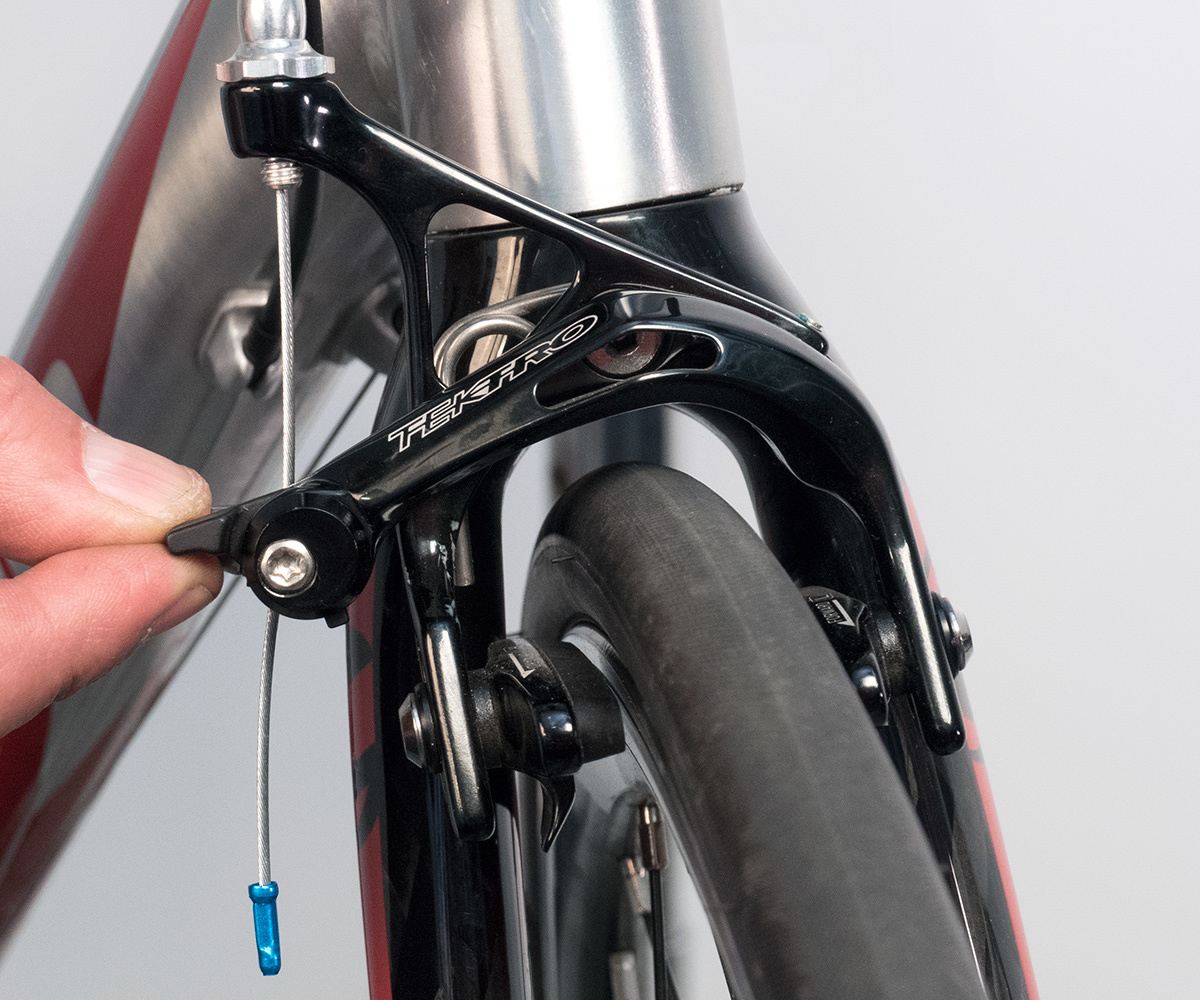
- Release the front brake if needed. Some rim brakes (like caliper or V-brakes) squeeze the tire, so you may need to open the quick release on the brake. For disc brakes, this step is not needed.
- Turn the bike upside down or use a bike stand. If you don’t have a stand, carefully flip the bike so it rests on the saddle and handlebars, putting a towel underneath to avoid scratches.
Here’s a comparison of different ways to support your bike:
| Method | Stability | Risk of Damage | Best For |
|---|---|---|---|
| Bike Stand | Excellent | Low | Regular maintenance |
| Upside Down | Good | Medium (risk to shifters/seat) | No stand, quick fixes |
| Leaning Against Wall | Poor | High (bike may fall) | Not recommended |
Credit: www.parktool.com
Removing A Quick Release Front Wheel
Quick release systems are common and simple. Here’s how to remove a front wheel with a quick release:
- Open the quick release lever. The lever is usually on the left side. Pull it outwards and away from the fork.
- Loosen the nut on the opposite side if needed. Sometimes you need to unscrew the nut a little to let the wheel slide out. Don’t remove it completely.
- Lift the bike or fork slightly. Hold the fork steady and gently pull the wheel down and out of the fork dropouts.
- Watch for safety washers. Some bikes have small washers or tabs to prevent the wheel from coming off by accident. These must be slid out of the way as you remove the wheel.
Non-obvious tip: Don’t force the wheel if it’s stuck. Check for safety tabs or washers. Forcing can bend the fork.
Removing A Thru-axle Front Wheel
Thru-axle systems are common on modern bikes, especially those with disc brakes. Follow these steps:
- Locate the thru-axle lever or bolt. Some bikes have a lever, others require an Allen key.
- Open the lever or use the correct Allen key. Turn counterclockwise to loosen.
- Unscrew the axle completely. Pull it out and keep it in a safe place.
- Gently pull the wheel downward. The wheel should slide out easily. If it sticks, wiggle it slightly.
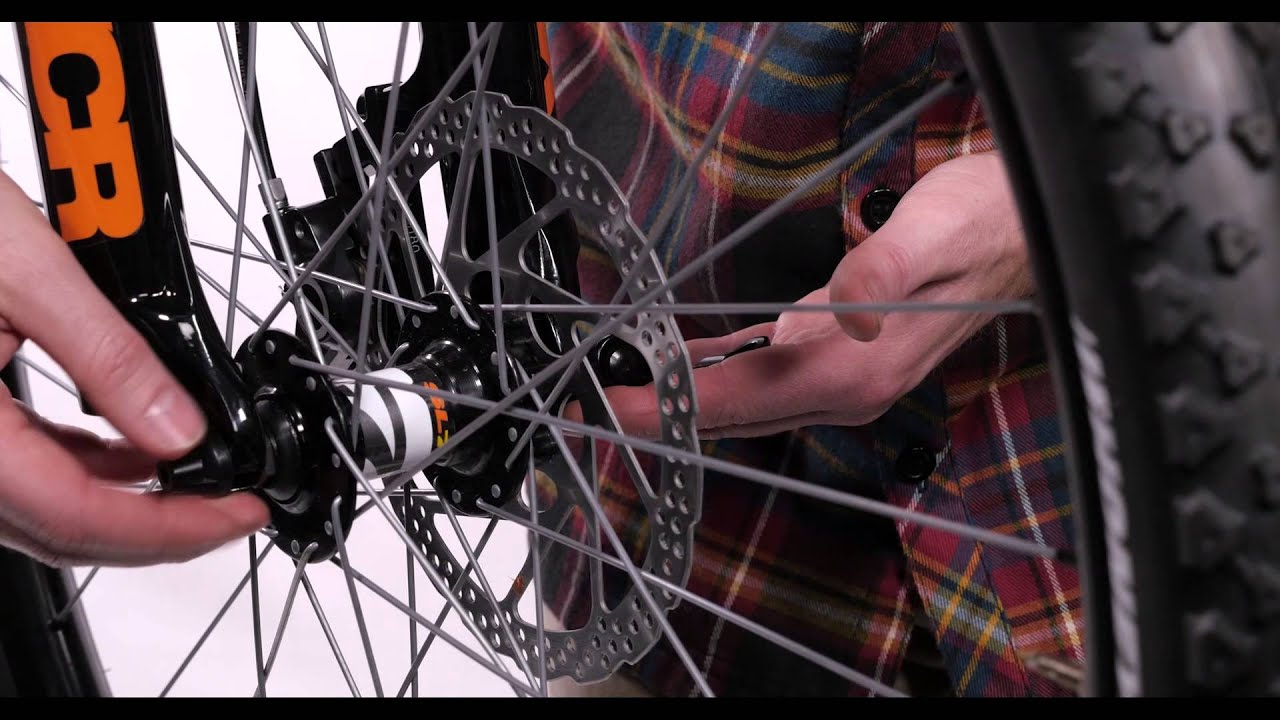
- Insert a disc brake spacer if you have hydraulic disc brakes. This prevents the brake pads from squeezing together if someone pulls the brake while the wheel is off.
Non-obvious insight: If you lose your axle, finding a replacement with the exact length and thread pitch is critical. Take your old axle to the shop if possible.
Removing A Solid Axle (bolt-on) Front Wheel
This system is less common but found on some city, BMX, and budget bikes.
- Use a 15mm wrench to loosen the nuts on both sides of the axle. Turn counterclockwise.
- Remove any safety washers. Some bikes have anti-theft washers with a tab.
- Lift the fork and slide the wheel out. If the wheel is stuck, check that both nuts are completely loose.
Tip: Always retighten the nuts with a wrench when reinstalling. Hand-tight is not enough for safety.
Special Considerations For Disc Brakes
If your bike has disc brakes, take extra care:
- Never squeeze the brake lever when the wheel is off—this can cause the pads to stick together.
- Use a disc brake spacer or a piece of clean cardboard to hold the pads apart.
- Keep disc rotors clean. Avoid touching them with greasy hands.
How To Reinstall The Front Wheel
Putting the wheel back is as important as removing it. Here’s a step-by-step guide:
- Align the wheel with the fork dropouts or thru-axle holes. Make sure the hub sits straight.
- For quick release: Slide the axle into the fork, tighten the nut, and close the lever. It should feel firm to close, not loose or too tight.
- For thru-axle: Insert the axle through the fork and hub, thread it in, and tighten with the lever or Allen key.
- For bolt-on: Place the wheel in the dropouts, install washers if needed, then tighten both nuts firmly with a wrench.
- Spin the wheel to check for rubbing or misalignment. The wheel should turn freely and not touch the brake pads or fork.
- Re-engage the brakes if you opened them earlier.
Expert tip: Always test the brake function before riding. Give the wheel a firm pull to check it’s secure.
Common Mistakes To Avoid
Many cyclists make these errors when removing or reinstalling a front wheel:
- Forgetting to open the brake: The tire won’t clear the pads, making removal hard.
- Losing small parts: Safety washers, nuts, or spacers are easy to misplace.
- Touching disc rotors: Fingerprints can cause noisy brakes.
- Overtightening or undertightening the axle: Both can cause safety issues.
- Not aligning the wheel properly: A misaligned wheel can lead to poor handling or brake rub.
Credit: www.youtube.com
What To Do After Removing The Wheel
If you remove the wheel for transport or storage, take these steps:
- Protect your fork dropouts. Use plastic or rubber spacers to prevent damage.
- Keep the axle safe. Don’t lose it—store in a bag or attach to the fork.
- Clean the axle and hub if they’re dirty.
- Store the wheel flat to avoid bending the rim.
If you removed the wheel for a flat, inspect the tire and tube carefully before putting the wheel back.
Front Wheel Removal And Bike Safety
Proper wheel installation is a key safety issue. According to the U.S. Consumer Product Safety Commission, thousands of bike accidents happen each year because wheels are not correctly attached. Double-check your work every time.
Here’s a quick safety checklist:
- Is the axle or quick release lever tight and closed?
- Is the wheel centered in the fork?
- Do the brakes work, and is there no rubbing?
- Are all small parts (washers, nuts) in place?
If you are unsure, ask a bike shop to check your work.

Credit: www.youtube.com
Advanced Tips And Troubleshooting
- Dealing with stuck wheels: If the wheel won’t come out, check for hidden washers, axle nuts, or rust. Apply a little lubricant if needed.
- Transporting with the wheel off: Pad the fork tips and use a fork block if putting the bike in a car.
- Wheels with fenders or mudguards: You may need to loosen or remove the fender stays. Plan extra time.
- Hydraulic disc brakes: Never leave the bike sitting with the brake lever squeezed and the wheel off.
When To Ask For Professional Help
If you notice any of these signs, visit a bike shop:
- The wheel does not spin straight (wobble or rubbing)
- Axle threads are stripped or damaged
- Brake alignment is off after reinstallation
- You feel unsure about wheel security
A small fee at a shop is better than risking an accident.
Frequently Asked Questions
How Do I Know If My Bike Uses Quick Release Or Thru-axle?
Check the center of your front wheel hub. Quick release systems have a thin skewer with a lever. Thru-axles are thicker, often with a larger lever or a bolt head needing an Allen key. If you’re unsure, check your bike’s manual or look for markings on the axle.
Can I Remove The Front Wheel Without Any Tools?
Yes, if your bike uses a quick release system, you need no tools. For thru-axle or bolt-on wheels, you’ll need an Allen key or wrench. It’s smart to carry a multi-tool while riding.
Is It Safe To Turn My Bike Upside Down To Remove The Wheel?
Turning the bike upside down is safe for quick fixes, but avoid doing it often. It can scratch your saddle or shifters. For regular maintenance, a bike stand is better.
What Should I Do If My Disc Brake Pads Stick Together After Removing The Wheel?
If your disc brake pads close together, use a clean plastic tire lever to gently separate them. Never force metal objects between the pads, as this can cause damage. For future, always use a spacer when the wheel is off.
How Tight Should The Quick Release Or Axle Be?
A quick release should close with firm resistance—tight enough that you need to press it, but not so tight you struggle. For thru-axles and bolt-on axles, follow the torque recommendation in your bike’s manual. If in doubt, ask a bike shop.
For more information about bicycle wheel attachment systems, see this Wikipedia article.
Removing your front wheel is a valuable skill every cyclist should know. Practice these steps at home, and you’ll be ready for any repair, travel, or cleaning job. With careful attention and the right tools, you’ll keep your bike safe and rolling smoothly.