Riding a dirt bike on California’s scenic roads can be thrilling, but if your bike isn’t street legal, you risk hefty fines and even having your bike impounded. Many riders are surprised to learn that converting a dirt bike to a street-legal machine is possible, but the process is more complex than just adding a few lights. California has strict rules, and missing even one step can cause big problems. This guide will walk you through every requirement, share common pitfalls, and give you the confidence to get your dirt bike legally on the road.
Understanding California’s Street Legal Requirements
California’s Department of Motor Vehicles (DMV) and the California Air Resources Board (CARB) both set rules for which motorcycles can be registered for street use. Dirt bikes are usually made for off-road only, so they lack equipment required for riding on public roads. To convert a dirt bike, you must follow both safety and emissions standards.
Is Your Dirt Bike Eligible?
Not every dirt bike can be made street legal. Bikes sold as “closed-course” or “competition” models often can’t be registered for street use due to emissions or missing manufacturer certificates. Look for a VIN plate and check if your bike has a “3” or “4” in the eighth digit of the VIN. If so, it’s likely not eligible. Always confirm with the DMV or a licensed verifier before investing in upgrades.
Essential Equipment You Must Add
To pass inspection and register your dirt bike, you must add specific equipment required by California law. Missing even one item can lead to rejection.
| Required Equipment | Purpose | Common Mistakes |
|---|---|---|
| DOT-approved Headlight | Visibility at night and in poor conditions | Using non-DOT lights |
| Brake Light and Tail Light | Safety for following vehicles | Improper wiring or lack of constant-on mode |
| Turn Signals (front and rear) | Indicate direction changes | Not visible from 100 ft |
| Horn | Audible warning device | Using a bicycle horn |
| Rearview Mirror | Monitor traffic behind | Mounting only on one side |
| DOT-approved Tires | Safe traction on pavement | Using off-road only tires |
| Speedometer | Track legal speed | Omitting for “guesswork” |
| License Plate Bracket & Light | Display registration at night | No illumination for plate |
| Exhaust with Spark Arrestor | Reduce fire risk | Missing or non-approved arrestor |
Non-obvious Insights
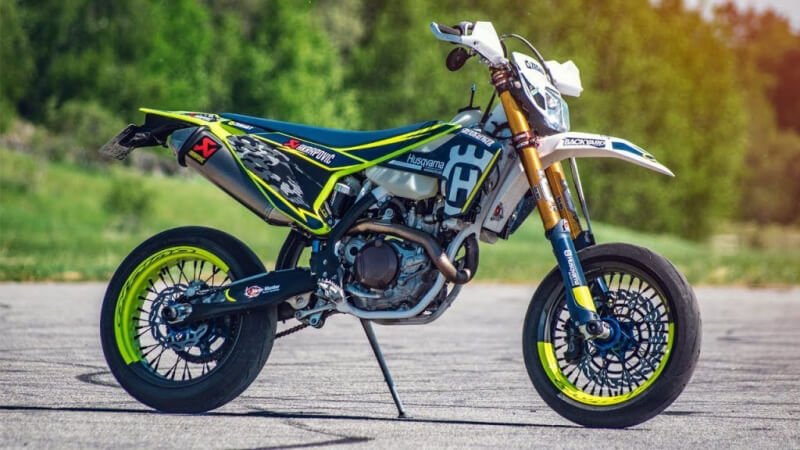
Many riders forget that all lighting must be DOT-approved and wired to run off the bike’s battery, not just the stator. Also, your horn must be electric—not a squeeze bulb type. The license plate must be illuminated by a white light, and its bracket must be visible from at least 50 feet.
Credit: www.dirtlegal.com
Meeting Emissions Standards
California is strict about emissions. Most dirt bikes are not built to meet on-road emissions standards. Here’s what you need to know:
- Green Sticker vs. Red Sticker: Bikes with a green sticker can be used off-road year-round, but this does not mean they are street legal. Red sticker bikes are for competition only and cannot be converted.
- CARB Certification: Your bike must be certified by the California Air Resources Board for on-road use. If it’s not, you may not be able to register it, no matter what equipment you add.
- Model Year Limitation: As of 2004, California stopped allowing most dirt bikes to be converted unless they were built before 1978 or already had a California title.
Special Case: Dual-sport And Factory Street-legal Models
Some bikes are sold as dual-sport or “enduro” models, which means they are already designed for both off-road and street use. These bikes come with the correct emissions label and equipment from the factory. If you want to avoid trouble, starting with a dual-sport model is the simplest path.
The Step-by-step Legalization Process
Converting your dirt bike isn’t just about bolting on parts. You need to follow a specific process with the DMV and sometimes the California Highway Patrol (CHP).
1. Install All Required Equipment
Before any inspections, install all the parts listed earlier. Take photos and keep receipts, as you may be asked to show proof of compliance.
2. Get A Vehicle Verification
A licensed verifier or DMV employee must physically inspect your bike. They’ll check the VIN, emissions label, and equipment. This step is mandatory before registration.
3. Complete The Reg 343 Form
This is the Application for Title or Registration. Fill it out completely, including all current and previous owner information if applicable.
4. Obtain A Weight Certificate
You may need a certified weight certificate if your dirt bike was never registered. Many local moving companies or truck stops can provide this service.
5. Chp Inspection (if Required)
Some cases require a California Highway Patrol inspection. CHP will verify that all safety and emissions equipment is present and legal. They will also check for stolen vehicle reports.
6. Submit To The Dmv
Bring all paperwork, receipts, your ID, and cash or a credit card for fees. The DMV will review your documents and, if everything passes, issue a registration and a license plate.
7. Install The License Plate
Mount your plate as required. It must be visible and illuminated. Don’t use tape or temporary holders—improper mounting can result in tickets.
8. Update Insurance
Now that your bike is legal, you must carry motorcycle insurance that meets California’s minimum requirements.
Credit: 5starregistration.com
Costs And Typical Timeline
Getting a dirt bike street legal isn’t cheap or fast. Here’s a breakdown of what to expect:
| Item | Estimated Cost | Notes |
|---|---|---|
| Required Parts & Equipment | $500 – $1,000 | Depends on brand/quality |
| Vehicle Inspection Fees | $50 – $100 | DMV and/or CHP |
| Registration & Title Fees | $100 – $200 | One-time fees |
| Insurance | $100 – $500/year | Required for street use |
| Time | 2 – 8 weeks | Depending on appointment and inspection wait times |
Practical Example
Let’s say you have a 2003 Yamaha WR450F. After checking the VIN and emissions label, you confirm it can be converted. You buy a street-legal kit ($700), schedule a DMV inspection, and pass. The total cost is about $1,200, and you’re ready to ride in about a month.
Common Mistakes And How To Avoid Them
Many riders waste time and money due to avoidable errors. Here’s how to keep your conversion smooth:
- Skipping the Emissions Check: Many bikes, especially newer ones, cannot be converted due to emissions. Confirm eligibility first.
- Using Non-DOT Parts: All lights, tires, and mirrors must be DOT-approved. Police and inspectors check for this.
- Wrong VIN or Title: If your bike has a “for off-road use only” title or the wrong VIN digit, registration may be impossible.
- Missing Receipts: Keep receipts for all equipment—inspectors may ask for proof.
- Ignoring Insurance: Riding without insurance, even after registration, is illegal and risky.
Special Tips For Success
- Photograph Every Step: Document your conversion for your records. This can help if you face inspection questions.
- Ask for Help Early: If unsure, visit the DMV before starting. They can tell you if your dirt bike is eligible and what paperwork is needed.
- Join Local Forums: Riders often share recent experiences, tips, and even recommend inspection-friendly DMV offices.
- Check Local Ordinances: Some cities have extra requirements, like noise limits.
What Happens If You Skip Steps?
California enforces strict penalties for riding an illegal bike. Police can issue tickets, impound your dirt bike, or even charge you with a misdemeanor. Insurance companies will not pay claims if your bike isn’t registered properly, leaving you liable for any damages.
Legal Alternatives If Conversion Fails
If your dirt bike can’t be converted, consider these options:
- Sell it and buy a dual-sport or factory street-legal model.
- Use your bike on legal off-road trails and events.
- Register in another state (if allowed), but know that California police may still ticket you if you live here.
For more on emissions laws and motorcycle standards, you can check the California DMV’s official site.
Frequently Asked Questions
Can Any Dirt Bike Be Made Street Legal In California?
No, not all dirt bikes qualify. The bike must meet emissions standards, have a valid VIN, and not be marked for off-road use only. Bikes built before 1978 or already titled may have more options.
How Long Does The Conversion Process Take?
It usually takes 2–8 weeks, depending on how quickly you install equipment, pass inspection, and get DMV appointments. Delays can happen if paperwork is missing or if extra inspections are needed.
Do I Need Motorcycle Insurance After Making My Dirt Bike Street Legal?
Yes, motorcycle insurance is mandatory in California for all street-legal bikes. Riding without insurance can lead to fines and license suspension.
What Are The Most Common Reasons For Failed Inspections?
The biggest reasons are missing DOT parts, improper wiring, missing emissions labels, or the VIN indicating off-road use only. Always double-check before scheduling your inspection.
Is It Cheaper To Buy A Factory Street-legal Bike Than Convert A Dirt Bike?
Often, yes. Factory street-legal bikes already meet all requirements. Converting a dirt bike can cost $1,000 or more, take weeks, and still fail if the bike isn’t eligible.
Making your dirt bike street legal in California is a detailed process, but with careful planning, you can ride confidently and safely on public roads. Always check the latest rules, document every step, and don’t cut corners. It’s better to invest time and money upfront than risk fines or losing your bike.

Credit: www.youtube.com