Riding a dirt bike on public roads sounds exciting, but it’s not as simple as just hopping on and hitting the street. Most dirt bikes are built for off-road adventures, not for city traffic or highways. They often miss key safety features that the law requires for vehicles sharing public roads. If you want to use your dirt bike beyond trails and tracks, you’ll need to make it street legal. This process can be confusing, with rules that change from state to state. But with the right steps, patience, and some investment, you can transform your off-road machine into a legal street cruiser.
This guide will walk you through everything you need to know about making your dirt bike street legal. You’ll learn the essential parts to add, the paperwork to prepare, and the common mistakes that get riders in trouble. Whether you’re just starting or you’ve already tried and failed, this article will help you get it right the first time.
Understanding Street Legal Requirements
Before you start buying parts or filling forms, it’s vital to know what “street legal” means. In most places, a street legal vehicle must meet federal and state laws about safety, emissions, and identification. These laws exist to protect all road users. While some requirements are universal, others change depending on where you live.
Federal Vs. State Laws
- Federal laws (like those from the Department of Transportation) set basic standards for vehicle safety.
- State laws add specific rules about registration, inspections, and emissions.
For example, a bike that is street legal in California may not be legal in Texas without changes. Always check your local Department of Motor Vehicles (DMV) website for up-to-date rules.
Types Of Dirt Bikes
Not all dirt bikes can be made street legal. Some models, especially those labeled “closed course,” might lack essential features or have no VIN (Vehicle Identification Number). If your bike is missing a VIN or has “off-road use only” on its frame, you may face extra challenges.
Essential Modifications For Street Legality
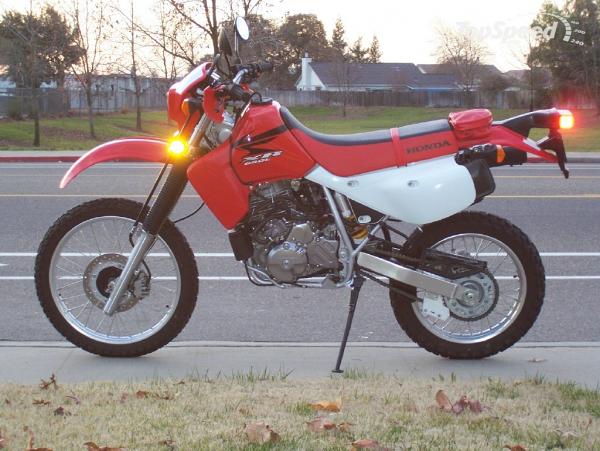
To ride legally on public roads, your dirt bike must have certain parts and features. These are usually the minimum required in most states:
- Headlight: Must be DOT-approved, with high and low beams.
- Tail Light and Brake Light: The brake light must activate with both front and rear brakes.
- Turn Signals: Amber or yellow, visible from front and rear.
- Mirrors: At least one (some states require two).
- Horn: Must be audible from a certain distance.
- DOT-Approved Tires: Off-road tires usually don’t meet road safety standards.
- Speedometer and Odometer: Not always required, but useful for tracking speed and miles.
- License Plate Bracket and Light: Must be visible at night.
- Reflectors: Side and rear reflectors for visibility.
- Exhaust System with Spark Arrestor: Some states require a quiet muffler or emissions controls.
Here’s a quick comparison of common dirt bike parts versus required street legal parts:
| Component | Typical Dirt Bike | Street Legal Requirement |
|---|---|---|
| Headlight | None or basic | DOT-approved, hi/lo beam |
| Turn Signals | None | Front and rear, amber |
| Horn | None | Electric, audible |
| Tires | Knobby/off-road | DOT-approved |
| License Plate Light | None | White light on plate |
Non-obvious Insight
Many riders forget that wiring is a big challenge. Off-road bikes often have small batteries or none at all. To power lights, horn, and signals, you may need to upgrade your electrical system or add a battery.

Credit: www.dirtlegal.com
Step-by-step Process To Make Your Dirt Bike Street Legal
Turning your dirt bike into a street legal motorcycle is more than just adding parts. You need to follow a process that satisfies your local laws. Here’s a roadmap you can follow:
1. Confirm Eligibility
Check if your dirt bike can legally be converted. Look for a clear VIN and check the frame for any “off-road only” markings. If your bike has a Manufacturer’s Certificate of Origin (MCO) stating “for off-road use only,” registration may be hard or impossible in some states.
2. Gather Required Parts
Purchase all the necessary DOT-approved parts. Many brands offer “street legal kits” with bundled components. But always double-check that each part is legal in your state.
3. Install Electrical And Safety Components
- Add or upgrade the stator to support extra electrical load.
- Wire up the headlight, brake lights, turn signals, and horn.
- Use weather-proof connectors and protect wires from vibration.
4. Upgrade Tires And Brakes
Replace old knobby tires with DOT-approved street tires. Check that your brakes are in top shape. Some states require brake inspections before registration.
5. Add Mirrors And Reflectors
Install at least one mirror (two for better safety) and side/rear reflectors.
6. Check Emissions (if Needed)
States like California require emissions checks or CARB (California Air Resources Board) approval. You may need to fit an approved exhaust or catalytic converter.
7. Visit The Dmv Or Inspection Station
Bring your bike, title, proof of purchase, and receipts for all parts. A state inspector will check your bike for compliance. If it passes, you’ll get a certificate or inspection sticker.
8. Register And Insure
Take your inspection certificate, proof of insurance, and documents to the DMV. Pay the registration fee and get your license plate.
9. Mount License Plate And Lights
Install your new plate and ensure the plate light works at night.
10. Carry Documentation
Always ride with your registration, insurance card, and ID. Some states require you to show proof of inspection if stopped by police.
Common Challenges And How To Solve Them
Making your dirt bike street legal is not always smooth. Here are problems riders face and how to deal with them:
Vin And Title Issues
If your bike has no VIN or title, you may need a special inspection or a bonded title. States like Florida or Texas have processes for this, but it can take months.
Electrical System Limitations
Older or small dirt bikes may lack the power to run lights. Consider installing a battery pack or a higher-output stator.
Emissions And Noise
Some bikes are too loud or polluting for public roads. Check local decibel limits and emissions rules. In strict states, you may need to swap your exhaust or adjust your carburetor.
Insurance Problems
Not all insurance companies cover converted dirt bikes. Shop around and be honest about your bike’s history.
Registration Refusal
Sometimes, DMV staff are not familiar with the process. Bring printed copies of your state’s laws and be patient but persistent.
Credit: www.chapmoto.com
Cost Breakdown: How Much Will It Cost?
Making your dirt bike street legal is an investment. Costs vary widely, but here is an example breakdown:
| Item | Low Estimate | High Estimate |
|---|---|---|
| Street Legal Kit (lights, signals, horn) | $150 | $400 |
| DOT Tires | $100 | $250 |
| Mirrors | $20 | $60 |
| Inspection Fee | $30 | $100 |
| Registration/Title | $50 | $200 |
| Insurance (annual) | $80 | $300 |
| Emissions/Exhaust Mods | $50 | $250 |
| Total | $480 | $1560 |
Tip: Prices vary by brand and location. Buying used parts or doing your own installation can save money.
State-by-state Differences
Every state has unique rules for street legal conversions. Here’s a quick comparison of three states with very different requirements:
| State | Emissions Test | Turn Signals Required | Inspection Needed |
|---|---|---|---|
| California | Yes | Yes | Yes |
| Texas | No | Yes | Yes |
| Florida | No | No | Yes |
Insight: Some states allow “motor-driven cycles” or “dual-sport” conversions with fewer requirements. Always check current laws before spending money.

Credit: pantheramotorsports.com
Mistakes To Avoid
Many riders make errors that waste time and money. Here are mistakes you can dodge:
- Ignoring local laws: Don’t trust online forums blindly; check official sources.
- Skipping inspection: You must pass state inspection before getting a plate.
- Using non-DOT parts: Police can ticket you for illegal lights or tires.
- Not updating insurance: Your coverage must match your bike’s new status.
- Forgetting documentation: Always keep proof of compliance when riding.
Non-Obvious Insight: Modifying your bike for street use may void its off-road warranty. Check with your dealer before making changes.
Useful Tips For A Smooth Conversion
- Document Everything: Keep all receipts, instructions, and photos of your conversion.
- Talk to Local Riders: Join local forums or groups—others have solved the same problems.
- Be Patient: The DMV process can be slow, especially in strict states.
- Consider Professional Help: If you’re not comfortable with wiring or mechanics, hire a pro.
- Test Everything: Before inspection, double-check all lights, signals, and the horn.
Frequently Asked Questions
What Does “street Legal” Mean For A Dirt Bike?
Street legal means your dirt bike meets all the safety, lighting, emissions, and registration requirements to ride on public roads. This includes parts like DOT tires, lights, and a license plate.
Can All Dirt Bikes Be Made Street Legal?
No. Some dirt bikes lack a proper VIN or have a frame that says “off-road use only.” These bikes are often not eligible for street registration, especially in states with strict laws.
How Long Does The Street Legal Conversion Process Take?
It can take from a few weeks to several months. The timeline depends on your bike’s condition, part availability, inspection wait times, and how quickly your DMV processes paperwork.
Is It Expensive To Make A Dirt Bike Street Legal?
Costs vary but expect to spend between $480 and $1,560 for parts, inspection, registration, and insurance. Older or rare bikes may require custom solutions, which can cost more.
Where Can I Find Official Rules For My State?
Check your state’s DMV website or visit an official resource like the National Highway Traffic Safety Administration for guidance. Local motorcycle shops and riding clubs are also good sources of up-to-date info.
Transforming your dirt bike for street use is a rewarding challenge. With careful planning, the right parts, and respect for the law, you’ll enjoy the freedom of riding on and off the road—safely and legally.