Charging your electric bike battery may seem simple, but doing it correctly makes a big difference. If you want your battery to last longer, charge safely, and always have enough power, there are important details you should know. Many people make mistakes that shorten battery life or risk safety.
With the right habits, your electric bike will run smoothly, and you’ll avoid common problems that can be expensive to fix.
Understanding Electric Bike Batteries
Electric bikes use different types of batteries, but most modern models use Lithium-ion technology. These batteries are popular because they’re light, last a long time, and charge quickly. Some older e-bikes may use Nickel Metal Hydride (NiMH) or Lead-acid batteries, but these are less common today due to their weight and lower efficiency.
The battery’s capacity is measured in watt-hours (Wh), and the voltage is usually 36V, 48V, or 52V. Higher capacity means longer riding range. Knowing your battery type and specs helps you follow the correct charging process and avoid mistakes.
Preparing To Charge Your Electric Bike Battery
Before you connect your battery to a charger, take a few simple steps to ensure safety and efficiency.
- Read the manual: Every e-bike is a bit different. The manufacturer’s manual provides key charging details specific to your model.
- Check the charger: Always use the charger that came with your e-bike. Using a charger with the wrong voltage or current can damage the battery or create a fire risk.
- Inspect battery and charger: Look for cracks, swelling, or damaged wires. If you see anything unusual, don’t charge—replace the part or seek professional help.
- Choose a safe area: Charge the battery on a hard, non-flammable surface away from direct sunlight, water, or extreme cold.
Example: Charging a wet battery after riding in the rain can cause short circuits and damage. Always dry the battery first.
How To Charge Electric Bike Battery: Step-by-step
Charging your battery properly is crucial for both performance and safety. Here’s a step-by-step guide:
- Switch off the bike: Turn off the power to avoid electrical surges.
- Remove the battery (if possible): Many e-bikes have removable batteries, making charging at home or office easier and safer.
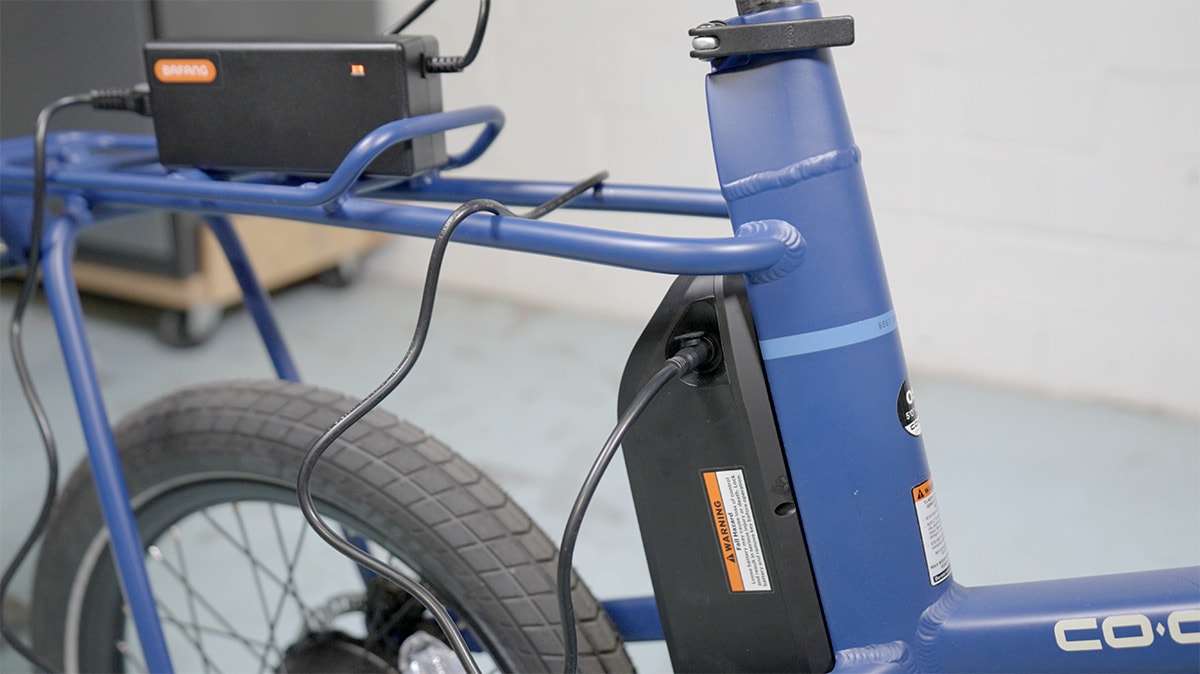
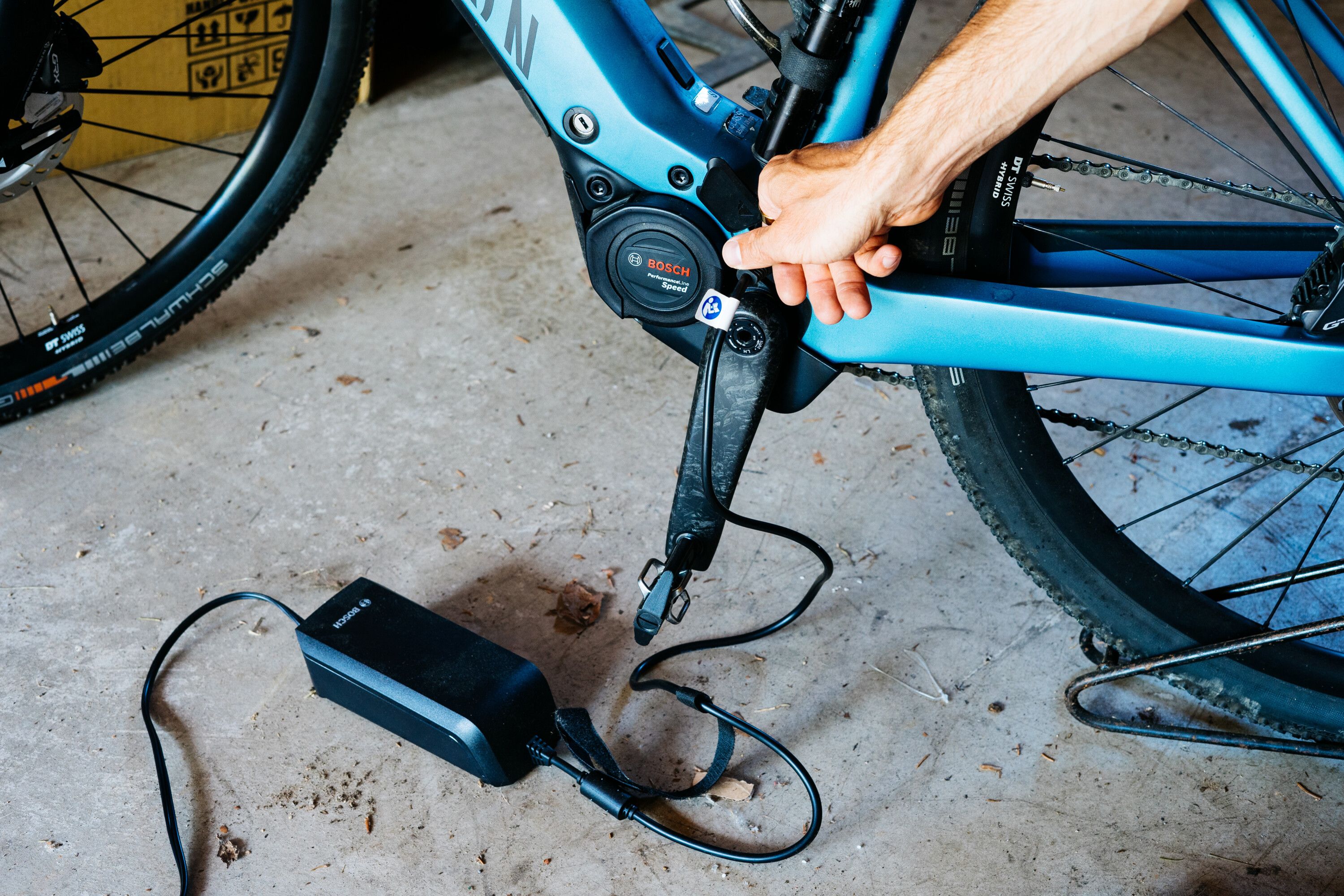
- Connect the charger to the battery: Plug the charger into the battery port first, then connect the charger to the wall socket. This order reduces the chance of sparks.
- Monitor charging: Most chargers have an indicator light—red for charging, green for fully charged. Don’t leave the battery charging unattended for long periods.
- Unplug when full: Once charged, disconnect from the wall socket first, then from the battery.
- Let the battery rest: Wait 15-20 minutes before using the battery in the bike. This prevents overheating.
Practical tip: Lithium-ion batteries don’t need to be fully discharged before charging. In fact, topping up often is better than deep discharging.
Optimal Charging Practices For Long Battery Life
Small habits can add years to your battery’s lifespan. Here’s what matters most:
Charge Regularly, Not Occasionally
Don’t wait until the battery is empty. Charging when the battery drops to 20–30% helps avoid deep discharge, which is hard on lithium-ion cells.
Avoid Overcharging
Modern chargers stop automatically, but unplugging the battery soon after it’s full is best. Leaving a battery connected for days can slowly reduce capacity over time.
Keep Battery Cool
Batteries don’t like heat. Avoid charging in hot areas, direct sunlight, or near heat sources. High temperatures speed up chemical aging inside the battery.
Store At Partial Charge
If you won’t use your e-bike for weeks, store the battery at around 50–70% charge in a cool, dry place. Never store a battery completely full or empty for long periods.
Non-obvious insight: Many riders don’t realize that charging in extremely cold temperatures (below 0°C/32°F) can also damage lithium-ion batteries. If you ride in winter, bring the battery indoors to warm up before charging.
Credit: www.rei.com
How Long Does It Take To Charge An E-bike Battery?
Charging time depends on battery capacity and charger output. Here is a typical comparison:
| Battery Size (Wh) | Charger Output (Amps) | Charging Time (Hours) |
|---|---|---|
| 360 | 2 | 2–3 |
| 500 | 2 | 3–4 |
| 700 | 2 | 4–5 |
| 700 | 4 | 2–2.5 |
If you use a higher-amp charger, charging is faster, but using a charger with too high an output can damage your battery. Always match the charger to the battery’s recommended specs.
Common Charging Mistakes To Avoid
Many e-bike owners shorten their battery’s life by making these mistakes:
- Using the wrong charger: Even if the plug fits, different voltage or current can cause overheating or battery failure.
- Deep discharging: Letting the battery drop to 0% regularly leads to cell damage.
- Charging in extreme temperatures: Both heat and freezing temperatures damage battery chemistry.
- Ignoring signs of wear: Swelling, odd smells, or leaking fluid mean the battery is unsafe. Replace it immediately.
- Leaving the battery on the bike in rain: Water can enter the charging port, causing short circuits.
Extra insight: Some riders try to “boost” battery life by storing batteries in the freezer. This is a myth and can ruin lithium-ion cells.
Charging On The Go: Portable And Public Charging
Many e-bike owners want to charge at work, in cafes, or during long rides. Here’s how to do it safely and conveniently.
Portable Chargers
Small, lightweight chargers let you top up your battery at any regular wall outlet. Always check that the outlet is safe and not overloaded.
Charging In Public Places
Some cities have public charging stations for e-bikes. Always use your own charger if possible. Never force a plug or use an unfamiliar charger, as this may damage your battery.
Charging With Power Banks
Large power banks (with AC outlets) can sometimes be used, but only if they meet your charger’s voltage and current needs. Cheap adapters can cause battery faults or even fire.
Example: If your charger needs 100W but the power bank only provides 60W, charging will be slow or may not work at all.
Battery Health: Signs Of Problems And When To Replace
A healthy battery is key for safe riding. Watch for these warning signs:
- Range drops suddenly (e.g., from 60 km per charge to 30 km)
- Battery takes much longer to charge than before
- Charger gets very hot during normal charging
- Physical changes such as swelling or leaking
If you see these issues, contact your dealer or a professional. Using a damaged battery can be dangerous.
Comparing E-bike Battery Types
It helps to know how battery types differ when charging.
| Battery Type | Memory Effect | Typical Charging Time | Lifespan (Cycles) |
|---|---|---|---|
| Lithium-ion | No | 2–5 hours | 500–1000 |
| Nickel Metal Hydride (NiMH) | Minor | 4–6 hours | 400–600 |
| Lead-acid | Yes | 6–8 hours | 200–300 |
Lithium-ion is the best choice for most riders due to speed, weight, and long life.
Safety Tips For Charging E-bike Batteries
Battery safety is essential for you, your family, and your home. Follow these key tips:
- Never cover the battery while charging. It needs airflow to stay cool.
- Don’t use extension cords unless they are heavy-duty and suitable for high power.
- Keep away from flammable materials such as curtains or papers.
- Unplug immediately if you notice heat, smoke, or a strange smell.
Non-obvious insight: Insurance claims for fire damage caused by charging e-bike batteries may be denied if you use an off-brand charger or ignore safety guidelines.
For more on safe battery handling, see the Wikipedia page on lithium-ion batteries.
Credit: navya-entertainment.com
Maximizing Battery Life: Practical Habits
It’s not just how you charge, but also how you ride and store the battery that matters.
- Avoid full-throttle starts: Sudden, heavy acceleration puts stress on the battery.
- Don’t leave the battery on the bike outdoors overnight: Moisture and temperature swings shorten battery life.
- Clean battery contacts with a dry cloth occasionally for good electrical connection.
- Update firmware if your e-bike allows it; updates can improve charging efficiency.
Troubleshooting Charging Problems
If your battery won’t charge:
- Check the charger and outlet: Try a different outlet or charger if possible.
- Inspect connectors: Clean contacts gently and check for bent pins.
- Battery temperature: Let a cold or hot battery return to room temperature before charging.
- Reset the battery: Some batteries have a reset button—check your manual.
- Seek professional help: If all else fails, a technician can test the battery with special tools.

Credit: rydybikes.com
Comparing Home Vs. Public Charging
Where you charge can affect safety and convenience.
| Factor | Home Charging | Public Charging |
|---|---|---|
| Convenience | Very high | Variable |
| Safety control | Full | Depends on location |
| Charger compatibility | Guaranteed | Sometimes limited |
| Cost | Low (just electricity) | Sometimes pay-to-use |
Whenever possible, charge at home for best safety and battery care.
Frequently Asked Questions
How Often Should I Charge My Electric Bike Battery?
Charge your battery whenever it drops to around 20–30%. You don’t need to wait until it’s empty. Frequent, shallow charges are better for lithium-ion batteries than letting them run flat.
Is It Safe To Leave My E-bike Battery Charging Overnight?
Most modern chargers stop automatically, but it’s safer to unplug the battery soon after it’s fully charged. Leaving batteries connected for long periods can slowly reduce their lifespan.
What Should I Do If My Battery Gets Hot While Charging?
Slight warmth is normal, but if the battery becomes very hot, unplug it immediately. Let it cool and inspect for damage. Hot batteries can be dangerous and may need to be replaced.
Can I Use Any Charger With My E-bike Battery?
No. Always use the charger supplied with your e-bike, or buy an exact replacement from the manufacturer. Wrong chargers can cause overheating, fire, or battery failure.
How Can I Tell When My Battery Needs Replacing?
If your battery’s range drops sharply, charges much slower or faster than before, or shows physical signs like swelling or leaking, it’s time to replace it.
Charging your electric bike battery the right way gives you more rides, saves you money, and keeps you safe. By following these proven habits and tips, you’ll enjoy years of reliable performance from your e-bike. Remember, a little care goes a long way with battery health.