Using a bike pump may look simple, but if you want your tires to perform well and last longer, it’s important to do it right. The Blackburn bike pump is a popular choice for cyclists because it is reliable, easy to use, and built with quality. Whether you ride a road bike, mountain bike, or a hybrid, knowing how to use your Blackburn pump correctly will save you from flat tires, wasted effort, and even damage to your bike. This guide will walk you through every step, from understanding your pump’s parts to getting the perfect tire pressure, with expert tips and real-world advice.
Understanding Your Blackburn Bike Pump
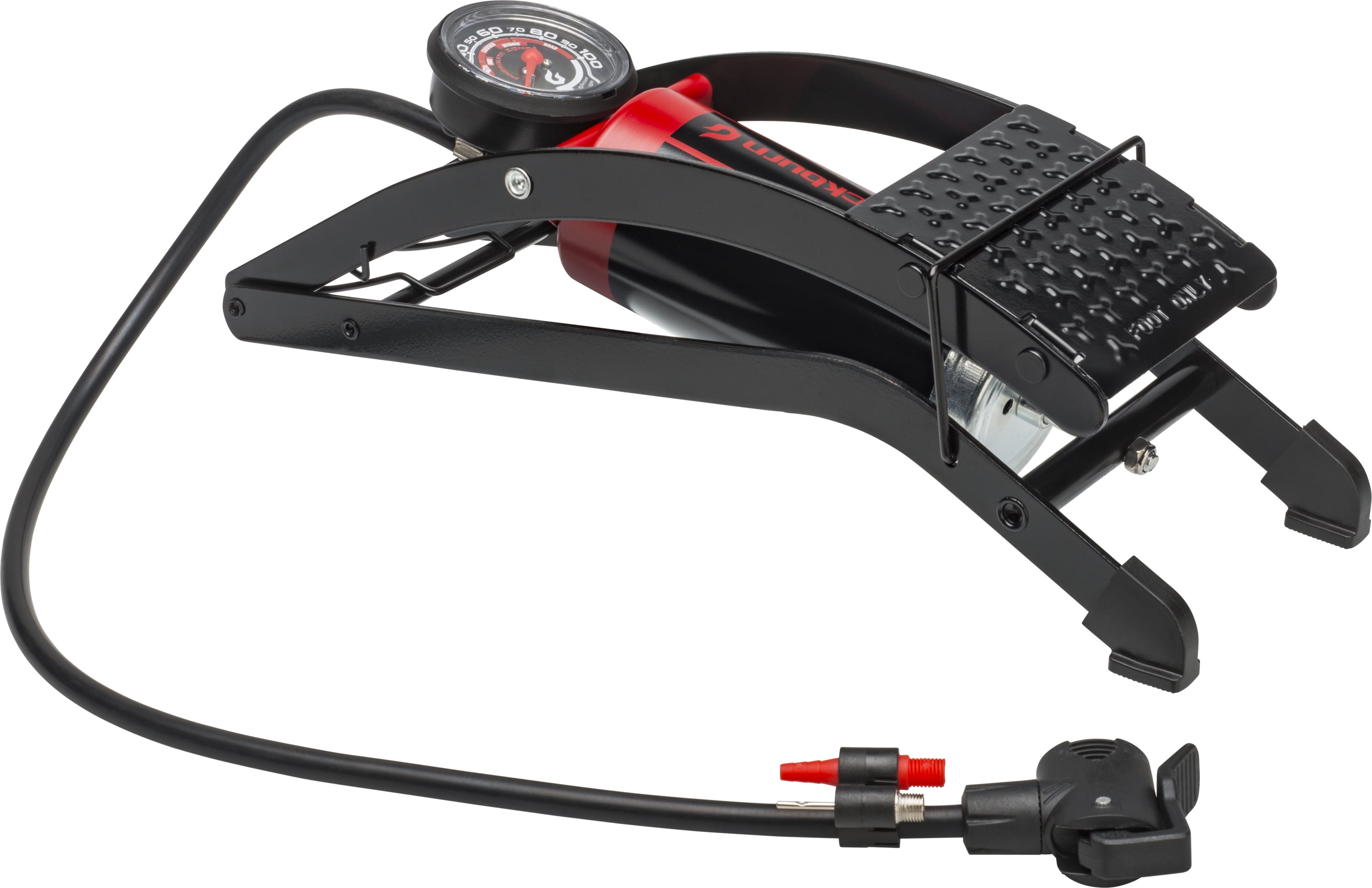
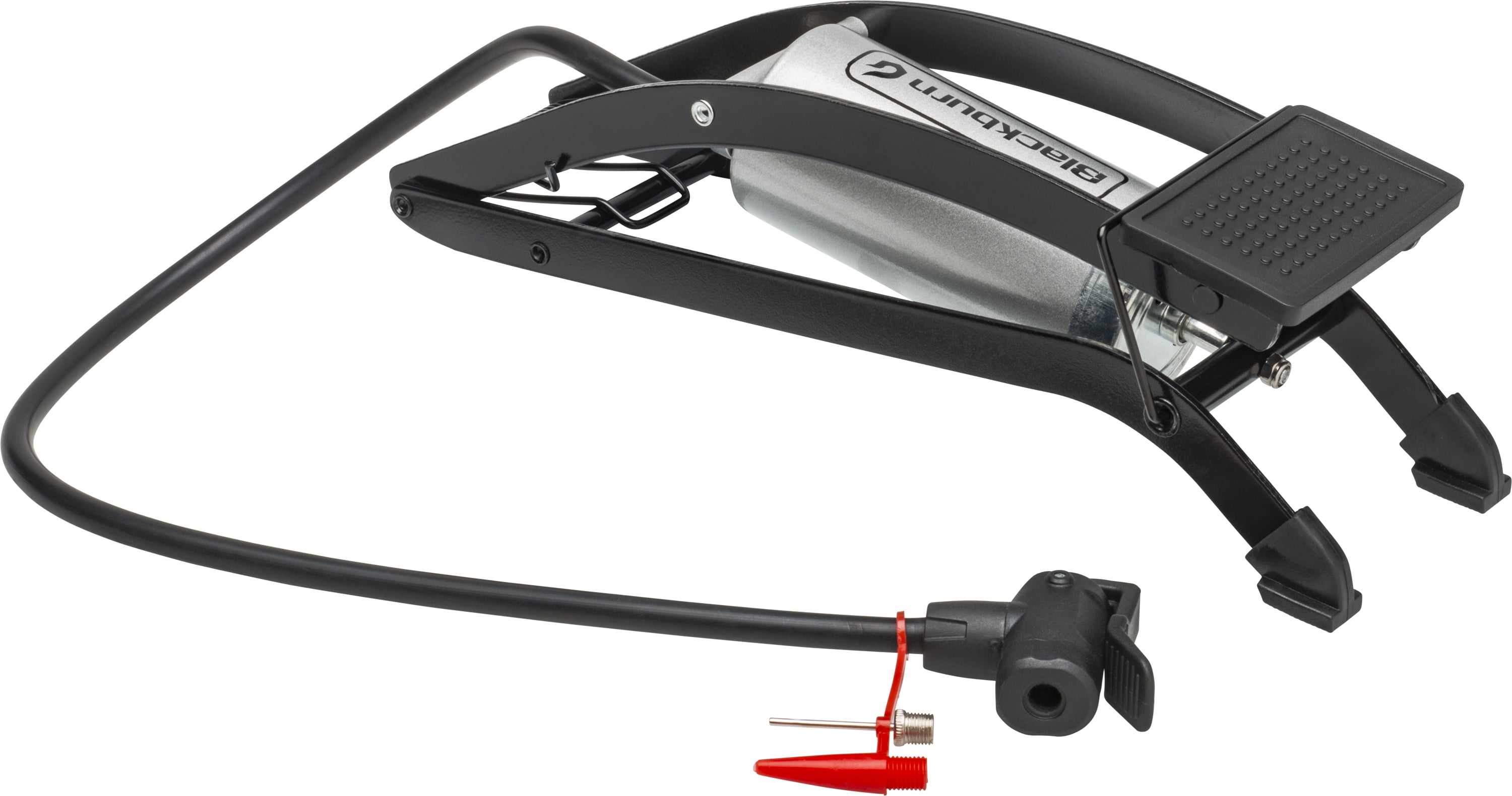
Before using the pump, you should know its main parts and features. Blackburn makes several models, but most share common components:
- Pump barrel: The main tube that moves air.
- Handle: The part you push and pull.
- Hose: Connects the pump to your valve.
- Head: Attaches to your tire’s valve; often works with both Presta and Schrader valves.
- Pressure gauge: Shows the current air pressure (not all models have this).
- Base/foot peg: Keeps the pump stable on the ground.
Blackburn pumps may be floor pumps, mini pumps, or CO2 inflators. Floor pumps are best for home use and offer the fastest, easiest inflation. Mini pumps are for emergencies and attach to your bike or fit in a bag. This article focuses mainly on floor pumps, as they are the most common and easiest for all skill levels.
Identifying Your Bike’s Valve Type
Not all bike valves are the same. Using the right method for your valve type is key to avoiding leaks or damage.
Common Valve Types
- Presta Valve: Tall, thin, with a small screw at the top. Most common on road and higher-end bikes.
- Schrader Valve: Shorter, wider, looks like a car tire valve. Common on mountain bikes and kids’ bikes.
Some bikes use a Dunlop (Woods) valve, mostly in certain countries, but Blackburn pumps usually fit Presta and Schrader as standard.
How To Identify
- Look at the valve. If it is narrow and has a small nut you can unscrew, it’s Presta.
- If it’s wide and you can press the center down with your finger, it’s Schrader.
Many Blackburn pumps have a dual head or a switch you flip to fit each valve type. Always check which side of the pump head matches your valve before starting.
Preparing To Pump Your Tires
Proper preparation makes the job easier and prevents errors. Here’s what you should do:
- Check recommended tire pressure: Look on the side of your tire. It will say something like “60–80 PSI” (pounds per square inch) or “4–6 bar.” Do not guess.
- Inspect your pump: Make sure the hose is not cracked, and the head works for your valve type.
- Get your bike in position: Place your bike so you can easily reach the valve. If using a floor pump, set it on flat ground.
- Remove the valve cap: Keep it in a safe place; losing it is easy.
Pro tip: Always carry a spare valve cap in your repair kit. It keeps dirt out of your valve, which can prevent slow leaks.
Attaching The Blackburn Pump To Your Valve
This step is simple but important. Doing it wrong can cause air to escape or damage the valve.
For Presta Valves
- Unscrew the small metal nut at the top of the valve (counterclockwise).
- Tap the valve tip to make sure it moves and a little air comes out. This opens the valve.
- Fit the pump head (correct side for Presta) onto the valve. Push it on firmly.
- Lock the lever (usually flip upwards). This creates a tight seal.
For Schrader Valves
- Remove the cap (if present).
- Fit the pump head (correct side for Schrader) onto the valve.
- Lock the lever (usually flip upwards).
If your Blackburn pump has a universal head, you may not need to switch sides. Just push it on and lock.
Non-obvious insight: Many people forget to unlock the Presta valve nut or do not push the head on far enough. This causes leaks or makes pumping impossible.

Credit: www.youtube.com
Pumping Air: Step-by-step
Now you are ready to add air. The right method makes pumping efficient and safe.
- Stand on the pump’s base with both feet for stability.
- Grip the handle with both hands.
- Pump smoothly up and down. Use your whole body, not just your arms, for easier movement.
- Watch the pressure gauge (if present) as you pump. Stop when you reach the recommended pressure.
- Do not over-inflate. Too much air can cause a blowout, especially in hot weather.
Practical tip: If you hear a hissing sound, the pump head is not sealed. Remove and reattach it, making sure the lever is locked.
How Long Does It Take?
- For a standard road tire: Usually 20–40 full pumps.
- For a mountain bike tire: Often 30–60 full pumps, as they have more air volume but lower pressure.
Mini pumps take much longer—expect 100–200 pumps for a flat tire.
Removing The Pump And Closing The Valve
Once you reach the right pressure, remove the pump and close the valve carefully.
For Presta Valves
- Unlock the lever and pull the head off in a straight motion.
- Screw the nut back down to close the valve.
- Replace the cap.
For Schrader Valves
- Unlock the lever and pull the head off.
- Replace the cap.
Common mistake: Pulling the pump head off at an angle can bend or break the valve. Always pull straight.
Credit: www.walmart.com
Checking Tire Pressure For Accuracy
Getting the pressure right is important for ride quality and safety.
- Manual check: Squeeze the tire. It should feel firm, not rock-hard or squishy.
- Gauge check: Use the Blackburn pump’s built-in gauge, or a separate digital gauge for higher accuracy.
Typical Tire Pressures
| Bike Type | Pressure Range (PSI) | Notes |
|---|---|---|
| Road Bike | 80–120 | High pressure, narrow tires |
| Mountain Bike | 30–50 | Lower pressure, wide tires |
| Hybrid/City Bike | 50–70 | Medium pressure, moderate width |
Non-obvious insight: Temperature affects pressure. On a hot day, air expands, so check tire pressure before you ride, not after.
Comparing Blackburn Pump Models
Blackburn offers several types of pumps. Knowing their differences helps you pick the right one and use it correctly.
| Model | Type | Best Use | Gauge |
|---|---|---|---|
| Blackburn Piston 1 | Floor Pump | General home use | Yes |
| Blackburn Core Pro | Floor Pump | High pressure, precise inflation | Large, easy-read |
| Blackburn Airstik SL | Mini Pump | Emergency repair, road | No |
| Blackburn Mammoth CO2 | CO2 Inflator | Quick inflation, MTB | No |
Pro tip: If you ride often, invest in a floor pump for home and a mini pump for your bike.
Credit: www.walmart.com
Troubleshooting Common Problems
Even with a good pump, things can go wrong. Here’s how to solve the most common issues:
- Air leaks at the valve: Reattach the head, making sure it’s the right side for your valve type. Lock the lever.
- Pump handle is stuck: Check for dirt inside the barrel or a bent shaft. Clean and lubricate if needed.
- Pressure gauge not working: Some gauges need a few pumps to activate. If it’s stuck, check for a blocked hose.
- Valve bends or breaks: Always pull the pump head off straight, not at an angle.
- Can’t reach desired pressure: Make sure the pump is rated for your tire type. Mini pumps may not reach high PSI.
Expert advice: Replace worn pump seals or gaskets every few years for best performance.
Advanced Tips For Best Results
- Inflate both tires: Many people forget the rear tire, which loses air faster due to extra weight.
- Adjust pressure for conditions: Lower pressure gives better grip on wet or rough roads. Higher pressure rolls faster on smooth pavement.
- Travel tip: If flying with your bike, deflate tires to avoid blowouts at altitude.
Example: A road cyclist might use 100 PSI for racing, but only 85 PSI for a wet or bumpy ride.
Safety And Maintenance For Your Blackburn Pump
Taking care of your pump keeps it working for years.
- Clean the hose and head after muddy rides.
- Store indoors: Sunlight and extreme cold damage rubber parts.
- Check for cracks in the hose and base every few months.
- Lubricate the pump shaft with a drop of oil if it feels stiff.
- Replace worn parts: Blackburn sells replacement heads and seals on their website.
When To Replace Your Pump
A well-made Blackburn pump can last many years. Signs it’s time for a new one:
- Cracks or leaks that can’t be fixed.
- Pressure gauge fails or gives wrong readings.
- Hose won’t seal on any valve.
A new pump is a small price to pay for safe, reliable rides.
Real-world Example: Using A Blackburn Pump On A Ride
Imagine you’re 10 km from home and your tire feels soft. You stop, check the valve (it’s a Presta), and pull out your Blackburn mini pump. You unscrew the valve nut, fit the pump, and inflate until the tire feels firm.
You ride home safely, thanks to knowing how to use your pump correctly.
Essential Do’s And Don’ts
- Do: Check tire pressure every week.
- Do: Use the correct side of the pump head.
- Don’t: Over-inflate your tires.
- Don’t: Pull the pump off at an angle.
These simple rules help avoid flats and make your rides smoother.
Frequently Asked Questions
How Often Should I Check My Bike Tire Pressure?
It’s best to check tire pressure at least once a week, and always before long rides. Tires lose air slowly over time, even if there’s no puncture.
Can I Use A Blackburn Pump For Both Presta And Schrader Valves?
Yes, most Blackburn pumps are designed to fit both types. Check your pump head and switch to the correct setting if needed.
Why Does My Tire Lose Pressure Quickly After Pumping?
Common reasons include a damaged valve, an improper seal when pumping, or a slow puncture. Make sure the valve is tight and always check for small leaks.
What Is The Right Tire Pressure For My Bike?
The recommended pressure is printed on the tire sidewall. Road bikes usually need 80–120 PSI, mountain bikes 30–50 PSI, and hybrid bikes 50–70 PSI.
Where Can I Find Replacement Parts For My Blackburn Pump?
You can find replacement heads, hoses, and seals at bike shops or on the official Blackburn website. For more details, visit the Blackburn official site.
A well-pumped tire means a safer, smoother, and more enjoyable ride. By understanding how to use your Blackburn bike pump, you not only avoid common mistakes but also help your bike last longer. With regular checks and the right technique, pumping your tires becomes a simple habit that keeps you rolling strong.