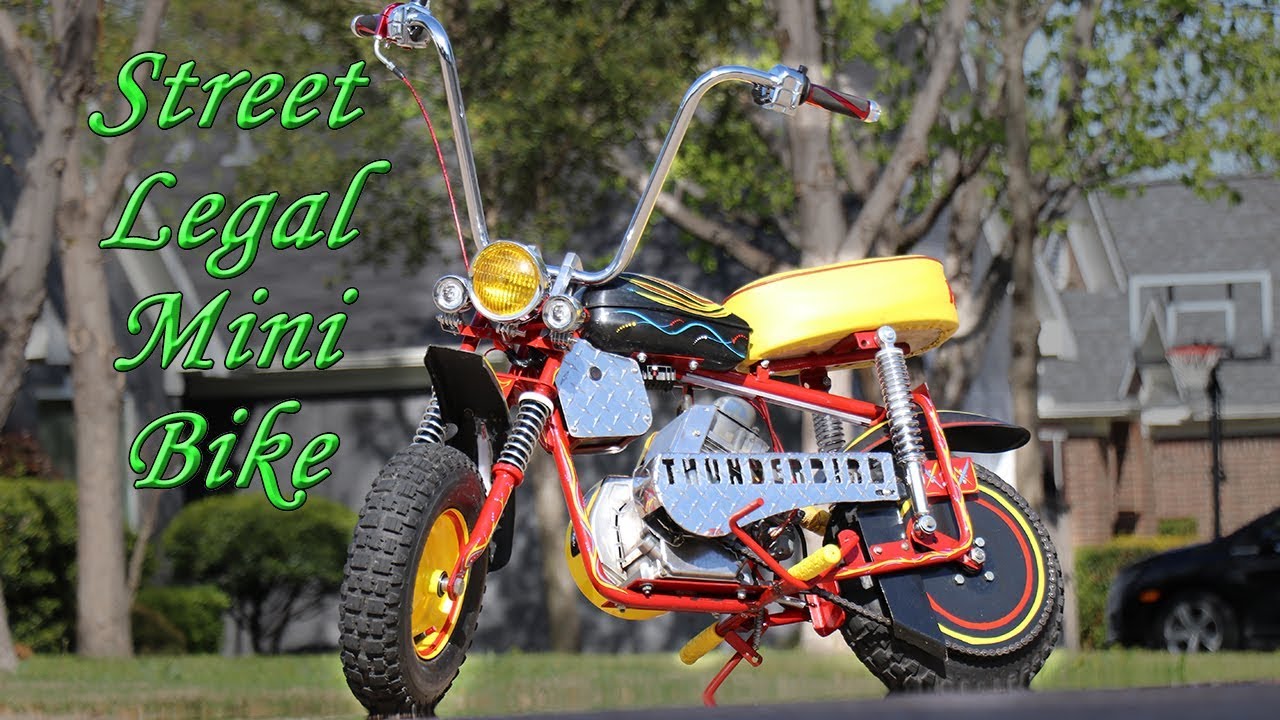
Many people dream of riding a mini bike down city streets, turning heads with a small but powerful machine. Mini bikes are fun, affordable, and easy to customize. However, most mini bikes are sold for off-road use only. The question is: can you make a mini bike street legal? The answer is not simple. Laws differ by state, and the process involves understanding safety rules, registration, and sometimes, changing parts of the bike itself. This guide explains everything you need to know if you want to ride your mini bike legally on public roads.
What Is A Mini Bike?
A mini bike is a small, lightweight motorcycle, usually with an engine size under 125cc. They are popular for recreational use, especially on private land or tracks. Some people build their own mini bikes from kits, while others buy ready-made models. Mini bikes are not the same as scooters or mopeds. They have a more basic frame, simple controls, and are often missing features required for street use.
Are Mini Bikes Legal On Public Roads?
By default, most mini bikes are not street legal. Manufacturers design them for private property, not for city streets or highways. The reasons are clear:
- Lack of safety features such as headlights, brake lights, or turn signals.
- No Vehicle Identification Number (VIN), which is necessary for registration.
- No compliance with emissions or noise regulations.
- Tires and brakes not designed for road use.
However, with the right modifications and paperwork, it is sometimes possible to make a mini bike street legal. The process varies by location, so always check your local Department of Motor Vehicles (DMV) or equivalent authority.

Credit: www.dirtlegal.com
Key Requirements For Street Legal Mini Bikes
To ride a mini bike on public roads, you must meet several legal requirements. Here are the main areas you need to address:
1. Equipment And Safety Features
Most states require your mini bike to have specific safety equipment. These parts ensure your bike is visible and safe for both you and other drivers.
| Required Feature | Purpose | Common Mini Bike Status |
|---|---|---|
| Headlight | Visibility at night | Often missing |
| Tail light & brake light | Show braking to others | Often missing |
| Turn signals | Indicate direction | Rarely included |
| Horn | Alert others | Usually missing |
| Mirrors | Rear view | Sometimes included |
| DOT-approved tires | Safe for pavement | Usually off-road tires |
| Speedometer | Monitor speed | Rarely included |
| Muffler | Noise control | Often not compliant |
Many of these parts can be purchased as kits or installed by a mechanic.
2. Title, Vin, And Registration
A Vehicle Identification Number (VIN) is a unique code used to track all registered vehicles. Most mini bikes do not have a factory VIN, which is a major problem for street legal status. Without a VIN, you cannot get a title or registration. In some cases, you may be able to apply for a custom-built vehicle VIN through your DMV.
Once you have a VIN, you must:
- Get the bike inspected by authorities.
- Apply for a title (proof of ownership).
- Register the mini bike as a motorcycle or moped.
3. Insurance
Like other vehicles, a street legal mini bike usually requires liability insurance. Costs are often low, but you must show proof of insurance when registering the bike.
4. Emissions And Noise Laws
Some states enforce emissions testing and strict noise limits. Mini bikes with older or modified engines may not pass these tests. You might need to install a new muffler or engine components to meet the standards.
The Legalization Process: Step-by-step
Making your mini bike street legal is a multi-step process. Missing one step can result in a failed application. Here’s how to approach it:
- Check state and local laws: Start by reading DMV rules for your state. Some states allow home-built motorcycles, while others do not.
- Gather required parts: Install all missing safety equipment. Use only DOT-approved parts for lighting, tires, and mirrors.
- Obtain a VIN: If your mini bike does not have a VIN, ask your DMV about the process for assigning one. This may include a physical inspection.
- Get the bike inspected: A state official will check the bike for safety and legal compliance.
- Apply for a title: Provide proof of parts purchase, receipts, and inspection documents.
- Register the bike: Pay fees and provide insurance proof.
- Affix license plate: Once registered, display the plate as required by your state.
A common mistake is skipping the inspection or using non-approved parts. Always keep receipts and documents for every part you add or change.
Common Challenges And How To Overcome Them
Many people face obstacles when trying to make a mini bike street legal. Here are some of the toughest challenges:
No Vin Number
Without a factory VIN, the process is much harder. Some states will not register a bike without one, while others may assign a new VIN after inspection. Be ready to show detailed receipts for all major parts. If your state does not allow custom VINs, you may not be able to legalize your mini bike.
Missing Documentation
If you built your mini bike from scratch or bought it used, you may lack purchase receipts. This makes it hard to prove legal ownership. Always ask sellers for a bill of sale and keep any paperwork.
Parts Not Meeting Standards
Off-road parts may not meet DOT (Department of Transportation) standards. For example, tires, lights, and mirrors must be DOT certified. Using cheaper parts without certification can cause your application to be rejected.
Insurance Refusal
Some insurance companies will not cover home-built vehicles. Shop around or ask local motorcycle clubs for advice on friendly insurers.
State-by-state Differences
Laws can change dramatically depending on where you live. For example, in California, emissions laws are strict, and it’s nearly impossible to legalize a home-built mini bike. In contrast, some Midwestern states have more relaxed rules and allow custom builds if they meet safety standards.
Here’s an example comparison of requirements in three different states:
| State | VIN Needed? | Emissions Testing? | Inspection Required? |
|---|---|---|---|
| California | Yes | Yes | Yes |
| Texas | Yes | No | Yes |
| Florida | Yes | No | No |
States also have different definitions of what counts as a motorcycle, moped, or scooter. These definitions affect the registration process.
Credit: www.chapmoto.com
Real-world Example: Street Legal Mini Bike Conversion
Let’s walk through an example of someone legalizing a mini bike:
Maria bought a 98cc mini bike for $350. She wanted to ride it to work, but it was missing lights, mirrors, and a horn. She followed these steps:
- Installed a street legal kit (headlight, tail light, turn signals, horn, mirrors).
- Bought DOT tires and replaced the old off-road ones.
- Applied for a VIN using receipts from the seller and the kit manufacturer.
- Passed a state inspection, where an official checked all safety features.
- Got a title and registration at the DMV, paying $75 in fees.
- Bought motorcycle insurance for $9/month.
Maria’s total cost was about $600, including the bike and parts. It took six weeks to complete the process. Now, she rides legally and safely.
Mistakes To Avoid
Many first-timers make avoidable mistakes. Here are two that often cause problems:
- Not checking local laws first: Some people spend money on kits, only to find out their state won’t register mini bikes at all.
- Using non-certified parts: DOT approval matters. A cheap light may look good but will not pass inspection.
Always research before buying and keep all paperwork.
Cost And Time Estimates
Legalizing a mini bike is not free. Here’s a rough breakdown of costs and time needed:
| Item | Estimated Cost (USD) | Time Needed |
|---|---|---|
| Safety equipment kit | $100–$250 | 1–2 days to install |
| DOT tires | $60–$120 | 1 hour |
| Inspection & VIN | $50–$150 | 2–4 weeks (scheduling, processing) |
| Registration & title | $50–$100 | Same day to 2 weeks |
| Insurance | $50–$120/year | 1 day |
Total cost usually ranges from $300 to $700. The process can take four to eight weeks.
Non-obvious Insights
Two things beginners often overlook:
- Custom mini bikes may be harder to legalize than factory models. States prefer to register bikes with clear manufacturer history and paperwork.
- Noise and emissions are often the biggest hurdles. Many people focus on lights and mirrors, but fail at the inspection due to a loud muffler or smoky engine.
Is It Worth Making Your Mini Bike Street Legal?
If you love DIY projects and want a unique ride, legalizing a mini bike can be rewarding. However, it requires time, money, and patience. For some, buying a used street legal motorcycle is easier. For others, the challenge is part of the fun.
If you decide to proceed, start with your local DMV website or resources like Wikipedia: Mini Bike for extra information.
Riding a street legal mini bike is possible, but only with the right approach and attention to detail. If you plan ahead, keep good records, and follow the rules, you can enjoy your mini bike on city streets—legally and safely.
Frequently Asked Questions
Can I Ride A Mini Bike On The Sidewalk Or In Parks?
No, most cities and states ban mini bikes from sidewalks, bike paths, and public parks. These areas are usually reserved for pedestrians and bicycles only.
Do All Mini Bikes Need To Meet The Same Requirements To Be Street Legal?
Not always. Requirements can change depending on engine size, speed, and whether the bike is classified as a moped or motorcycle. Check your state’s rules for details.
Is It Legal To Ride An Electric Mini Bike On The Street?
Some states allow electric mini bikes if they meet speed, power, and safety standards. However, many electric mini bikes are still for off-road use only. Always check before riding.
What Happens If I Ride An Unregistered Mini Bike On The Street?
You could be fined, have the bike impounded, or even face criminal charges, especially if you cause an accident. It’s not worth the risk.
Can I Hire Someone To Make My Mini Bike Street Legal?
Yes, some mechanics or specialty shops offer street legal conversion services. They can handle installations and paperwork, but you will pay extra for their expertise. Always make sure they understand your state’s laws.
With the right information and preparation, you can enjoy your mini bike both off and on the road—legally and with peace of mind.
Credit: www.youtube.com