Learning to ride a bike is a big step for many children. It gives a sense of freedom, balance, and fun. But traditional bikes with training wheels can make this process slow and sometimes scary. Enter the balance bike—a simple, pedal-free bicycle designed to make learning smooth and enjoyable. If you want your child to ride confidently and safely, understanding how to use a balance bike is key. This guide explains everything you need to know, from choosing the right bike to advanced riding tips.
What Is A Balance Bike?
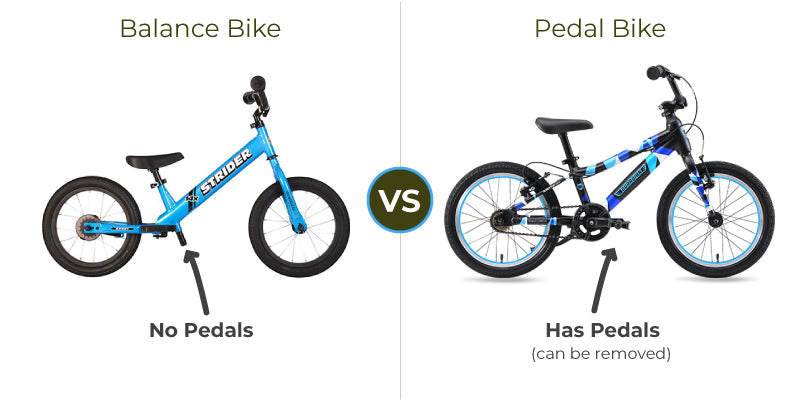
A balance bike is a two-wheeled bicycle without pedals. Instead of pedaling, children use their feet to push off the ground and move forward. This allows kids to focus on balancing and steering first, which are the hardest parts of learning to ride. Once they master balance, switching to a regular bike with pedals is much easier.
Balance bikes are suitable for children as young as 18 months and up to around 5 years old. They come in different sizes, materials, and designs. The main goal is to help kids learn balance in a safe and natural way.
Why Choose A Balance Bike?
Many parents ask, “Why not use training wheels?” Here are a few key reasons why balance bikes often work better:
- Balance first: Kids learn to balance from the start. Training wheels teach pedaling but not balance.
- Lightweight: Most balance bikes are lighter than regular bikes, making them easier for young children to handle.
- Confidence: Children quickly gain confidence because they can stop themselves with their feet.
- Smooth transition: After mastering a balance bike, most kids can move to a pedal bike without needing training wheels.
Research shows that children who use balance bikes often ride pedal bikes at a younger age than those who start with training wheels.

Credit: www.localmotion.org
Choosing The Right Balance Bike
Picking the right bike is important for safety and comfort. Here’s what you should look for:
Age And Size
The bike should fit your child. When sitting on the seat, their feet should touch the ground flat. Here’s a quick reference:
| Child’s Age | Inseam (cm) | Wheel Size (inches) |
|---|---|---|
| 18 months – 2 years | 30-36 | 10 |
| 2 – 3 years | 35-43 | 12 |
| 3 – 5 years | 40-50 | 14 |
Frame Material
Balance bikes come in several materials:
- Metal (steel/aluminum): Durable and strong. Aluminum is lighter.
- Wood: Eco-friendly and stylish, but can be heavier.
- Plastic: Lightweight, often used for very young children.
Weight
A balance bike should not be more than 30% of your child’s weight. Heavy bikes are hard to control.
Seat And Handlebar Adjustment
Look for a bike with adjustable seat and handlebars. This allows the bike to “grow” with your child, giving longer use and better comfort.
Tires
- Foam tires: Puncture-proof, lighter, but less grip.
- Air tires: Better grip and comfort, but can get flat.
Brakes
Some balance bikes have hand brakes. These are useful for older children or for riding on slopes, but not necessary for very young kids.
Price And Brands
Quality balance bikes can cost from $40 to $200. Popular brands include Strider, Woom, and Chicco. Cheaper bikes may lack quality or adjustability.
Preparing For The First Ride
Before your child starts, a few steps make the experience safe and fun.
Safety Gear
- Helmet: Always wear a helmet that fits well.
- Knee and elbow pads: Useful for beginners.
- Closed-toe shoes: Protect the feet.
Bike Setup
Adjust the seat height so both feet are flat on the ground. The knees should be slightly bent when sitting. Check that the handlebars are comfortable to hold.
Flat Surface
Start on a smooth, flat area like a driveway, quiet sidewalk, or playground. Avoid hills and busy streets for the first rides.
Explain The Basics
Show your child how to sit, hold the handlebars, and use their feet to push. Demonstrate how to stop by putting their feet down.
Step-by-step: How To Use A Balance Bike
Mastering a balance bike is about practice and patience. Here’s a practical step-by-step method:
1. Walking While Sitting
Encourage your child to sit on the bike and walk forward slowly using their feet. They should feel comfortable holding the handlebars and looking ahead. This stage helps them get used to the bike’s weight and balance.
2. Gliding
Once your child is confident walking, encourage them to take longer steps and lift their feet for a second or two. This is called “gliding. ” At first, they may only glide for a short distance. Celebrate small successes to build confidence.
3. Steering And Turning
Teach your child to turn the handlebars gently to steer. Set up small obstacles or cones for practice. Remind them to look where they want to go, not at their feet.
4. Stopping
Show how to stop by planting both feet on the ground. If the bike has hand brakes, demonstrate how to use them, but don’t force it if your child prefers their feet.
5. Slope Practice
When your child is comfortable on flat ground, try gentle slopes. This helps them practice balance at higher speeds but always supervise closely.
Common Mistakes To Avoid
Parents and children often make similar errors. Watch for these and correct them early:
- Seat too high or low: If the seat is too high, your child can’t put feet flat for balance. Too low, and they can’t glide.
- Holding the handlebars too tight: Teach a relaxed grip to avoid stiff steering.
- Rushing the process: Let your child progress at their own pace.
- Not using safety gear: Always wear a helmet, even for short rides.
A less obvious mistake is buying a bike “to grow into. ” A bike that is too big is difficult and unsafe for a beginner.
Progressing To A Pedal Bike
After a few weeks or months, many children are ready for a pedal bike. Signs your child is ready:
- Can glide for several meters with feet up
- Can steer around obstacles smoothly
- Feels comfortable stopping and starting
When you introduce a pedal bike, keep the seat low at first so your child can touch the ground. Some parents remove the pedals for the first few rides, then add them back when the child feels ready.
Practical Tips For Success
- Short sessions: Young children learn best with practice sessions of 10–20 minutes.
- Frequent practice: Several times a week is better than a long session once a week.
- Stay positive: Praise effort, not just results.
- Ride together: Children love to copy adults. If you ride a bike, join them.
- Vary the environment: Try parks, playgrounds, and different surfaces to build skill and confidence.

Credit: www.youtube.com
Comparing Balance Bikes And Training Wheels
Understanding the difference helps you make better choices. Here’s a quick comparison:
| Feature | Balance Bike | Training Wheels |
|---|---|---|
| Teaches Balance | Yes | No |
| Teaches Pedaling | No | Yes |
| Lightweight | Usually | Often heavier |
| Confidence-building | High | Moderate |
| Transition to Pedal Bike | Easy | Can be difficult |
Advanced Balance Bike Skills
Once your child is confident, you can teach extra skills to keep things interesting:
- Riding over small bumps: Practice on grass or soft dirt to improve control.
- Turning at speed: Set up a gentle “race course” with cones or markers.
- Group riding: Join balance bike meetups or playdates for social learning.
- Balance games: Challenge your child to balance in place for as long as possible.
These activities build skills needed for cycling, skating, and other sports.
Safety And Maintenance
A well-maintained balance bike keeps your child safe and happy.
Regular Checks
- Tire pressure: If your bike has air tires, check pressure weekly.
- Loose bolts: Tighten any loose parts, especially after a fall.
- Brake function: If your bike has brakes, test them before each ride.
Safe Riding Environments
- Avoid busy streets and parking lots.
- Watch for uneven sidewalks, potholes, or debris.
- Stay close and supervise, especially with younger children.
Outgrowing The Bike
Children often outgrow a balance bike by age five. At this point, moving to a pedal bike is the natural next step.
Real-world Example
Emily, age 3, started with a wooden balance bike. She practiced in her backyard for 10 minutes a day. After three weeks, she could glide across the playground and steer around obstacles. Within two months, she moved to a pedal bike—no training wheels needed.
Her parents credit her confidence and fast learning to the balance bike method.
Credit: guardianbikes.com
Surprising Insights Most Parents Miss
Many parents don’t realize that balance bikes help with core strength and coordination, not just balance. Kids also learn how to shift their weight, which is a skill useful for other sports. Another overlooked tip: riding on varied surfaces (like grass, sand, or bumpy paths) helps children learn faster, as they adjust to small changes in balance.
Frequently Asked Questions
What Age Is Best To Start Using A Balance Bike?
Most children can begin at around 18 months, as long as they can walk well and fit the smallest bike. The key is to make sure your child feels comfortable and the bike fits properly.
How Long Does It Take For A Child To Learn Balance With A Balance Bike?
It varies. Some children master balance in a few days, while others take several weeks. Regular, short practice sessions are more effective than long or infrequent sessions.
Do Balance Bikes Work For Children With Special Needs?
Yes, many children with coordination or motor delays benefit from balance bikes. Always consult with your child’s doctor or therapist for personalized advice.
Should My Child Wear A Helmet Every Time?
Absolutely. Helmets protect against head injuries and are essential, even for short rides or smooth surfaces. Set the example by wearing a helmet yourself.
Where Can I Find More Information On Child Cycling Safety?
A trustworthy source is the Safe Kids Worldwide website, which offers safety tips, helmet fitting guides, and more.
Helping your child learn to ride a balance bike is a rewarding journey. With the right bike, good safety habits, and patient guidance, you’ll set them up for a lifetime of confident cycling. The early days may require patience, but the skills gained will last for years.