Taking off bike grips might sound simple, but it can quickly become frustrating if you don’t know the right techniques. Whether you’re changing old grips, repairing your handlebars, or just cleaning your bike, knowing how to remove grips safely makes the process smoother and helps you avoid damaging your bike.
Many cyclists, even with experience, run into common problems like stuck grips or torn rubber. This guide will walk you through every step, explain different methods, highlight mistakes to avoid, and share expert tips you might not find elsewhere.
Why Removing Bike Grips Matters
Bike grips do much more than just cover the handlebars. They play a key role in comfort, control, and safety during your rides. Over time, grips can wear out, get slippery, or even tear. Dirt and sweat can also build up underneath, making them harder to clean or replace. Removing them properly means you can install new ones without damaging your handlebars or the grips themselves, especially if you want to reuse them.
Tools And Materials You’ll Need
You don’t need expensive tools to take off bike grips, but the right equipment makes the job much easier. Here’s what you should have ready:
- Flathead screwdriver (thin blade)
- Rubbing alcohol, water, or grip solvent
- Air compressor (optional, for advanced method)
- Utility knife or box cutter (only if you plan to throw grips away)
- Clean rag or towel
- Zip tie or thin stick (as an alternative to screwdriver)
Pro tip: For best results, avoid using oil-based lubricants like WD-40, as these can make grips too slippery and hard to keep in place after reinstallation.
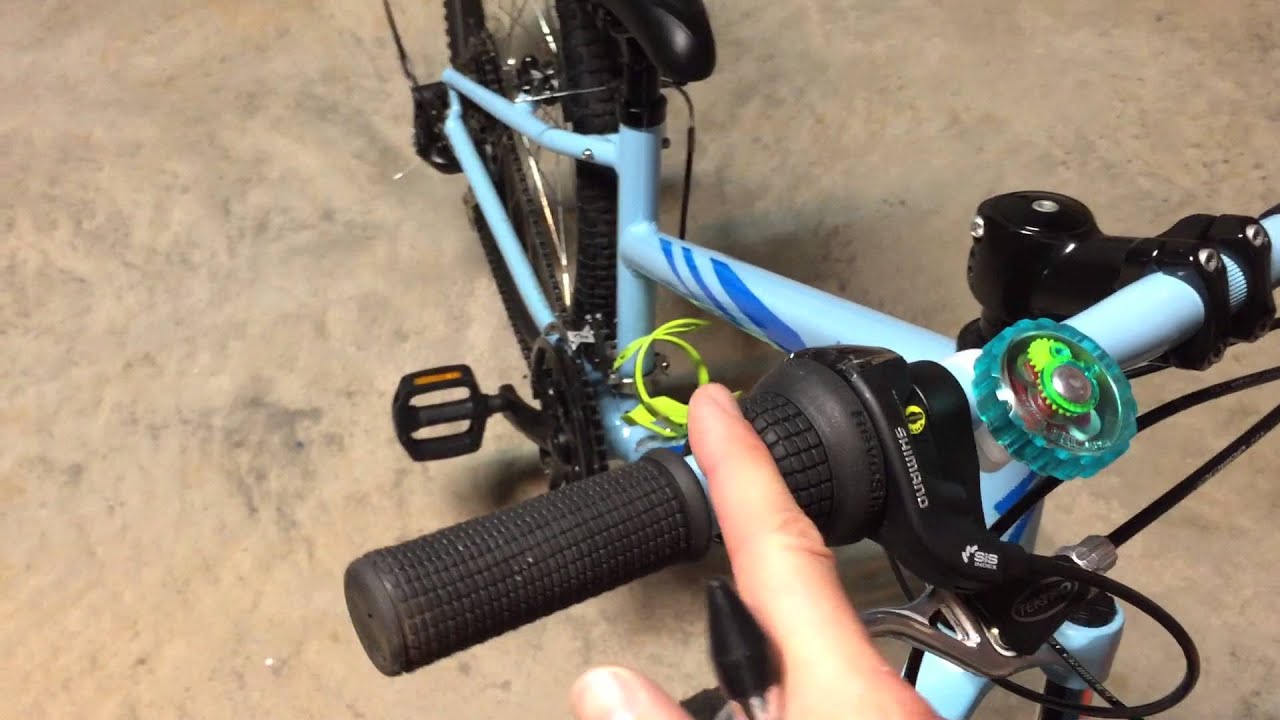
Credit: www.youtube.com
Understanding Different Types Of Bike Grips
Before you start, it’s helpful to know which type of grips your bike has. There are two main types:
- Slide-on grips: Made of rubber or foam, these slide directly onto the handlebars and rely on friction to stay in place.
- Lock-on grips: These have plastic or metal collars with small bolts that clamp the grip onto the bar.
It’s important to identify your grip type, as each needs a slightly different removal method. Here’s a comparison:
| Grip Type | Removal Difficulty | Tools Needed | Reusable |
|---|---|---|---|
| Slide-on | Medium | Screwdriver, liquid | Yes |
| Lock-on | Easy | Allen key | Yes |
| Foam | Medium | Liquid, air | Sometimes |
Preparing Your Bike For Grip Removal
A little preparation saves you time and trouble:
- Clean the handlebars: Wipe off dirt and sweat so you don’t push grime under the new grips.
- Work in a bright space: Good lighting helps you see what you’re doing and spot any damage.
- Set your bike upright: Use a bike stand if possible, or lean your bike securely against a wall.

Credit: funnmtb.com
How To Remove Slide-on Bike Grips
Slide-on grips are common on mountain and city bikes. Removing them can be tricky if they’ve bonded to the handlebar over time. Here’s a step-by-step guide:
Step 1: Loosen The Grip
Try to twist the grip by hand. Sometimes, old grips will break free with a bit of force. If it doesn’t budge, move to the next step.
Step 2: Insert A Flathead Screwdriver Or Zip Tie
Carefully slide a thin flathead screwdriver or a zip tie under the edge of the grip. Be gentle to avoid scratching the handlebar. Wiggle it around the inside to create a small gap.
Step 3: Apply Rubbing Alcohol Or Soapy Water
Pour a small amount of rubbing alcohol or soapy water into the gap you made. Tilt the bike so the liquid runs inside. This breaks the seal and acts as a lubricant, making the grip easier to slide off. Rotate the screwdriver or zip tie to spread the liquid.
Step 4: Twist And Pull
With the inside of the grip now slippery, twist the grip back and forth. Pull gently as you twist. The grip should start to slide off. If it’s still stuck, repeat the previous step.
Step 5: Remove The Grip
Once loose, pull the grip off the handlebar. Wipe the bar clean with a towel to remove any leftover liquid.
Non-obvious insight: Using alcohol instead of oil-based lubricants ensures no residue is left behind, which is important for re-installing grips securely.
How To Remove Lock-on Bike Grips
Lock-on grips are easier and quicker to remove. They’re popular on modern mountain bikes and BMX bikes.
Step 1: Locate The Lock Rings
Find the small Allen bolts (usually 2-3mm) at the ends of the grips.
Step 2: Loosen The Bolts
Use the correct Allen key to loosen (not remove) the bolts. Two or more bolts may need loosening. Don’t force the grip if a bolt is stuck—apply a drop of penetrating oil and wait a few minutes.
Step 3: Slide Off The Grip
Once bolts are loose, the grip should easily slide off. If not, check for dirt or corrosion inside the collar.
Step 4: Clean Up
Wipe the handlebar and inspect the grip collars for wear. If you plan to reuse the grips, check the threads and bolts for any damage.
Expert tip: Never over-tighten lock-on bolts when reinstalling. Stripped bolts are a common problem and can be expensive to fix.
Using An Air Compressor To Remove Grips
Some bike shops use an air compressor to quickly remove grips, especially foam or rubber ones. This method is fast and doesn’t damage the grip.
How It Works
- Insert the tip of the air nozzle under the edge of the grip.
- Blow short bursts of air. The air lifts the grip away from the handlebar, making it easy to slide off.
This method only works if you have access to an air compressor and nozzle. It’s especially useful for tight grips or when you want to reuse the grips.
Cutting Off Old Or Damaged Grips
If your grips are torn, melted, or you don’t plan to reuse them, cutting is the fastest removal method.
How To Cut
- Use a utility knife or box cutter with a sharp blade.
- Carefully slice along the length of the grip.
- Avoid cutting into the handlebar, especially if it’s carbon fiber or aluminum.
Safety note: Always cut away from your body and fingers. Wear gloves for extra protection.
Removing Grips From Different Handlebar Materials
Handlebars come in different materials—aluminum, steel, and carbon fiber. Each reacts differently to grip removal methods.
| Handlebar Material | Best Removal Method | Precaution |
|---|---|---|
| Aluminum | Any method | Avoid deep scratches |
| Steel | Any method | Check for rust |
| Carbon Fiber | Liquid or air only | Never use a knife |
Important: Never use sharp tools on carbon fiber bars—they can be permanently weakened by a small cut.
Common Problems And How To Solve Them
Grips Won’t Budge
- Use more rubbing alcohol or soapy water.
- Try leaving the solvent inside for a few minutes.
- If the grip is still stuck, use the air compressor method.
Grip Tears During Removal
- If you plan to reuse the grip, stop and switch to a gentler method.
- Torn grips should be replaced for safety.
Grip Spins But Won’t Slide Off
- This means the inside is already lubricated, but the grip’s outer edge is sticking. Use a thin tool to loosen the outer edge.

Credit: www.youtube.com
Tips For Reinstalling Or Replacing Grips
Once the old grips are off, installing new ones is much easier when the handlebar is clean and free of residue.
- Clean the handlebar with rubbing alcohol and let it dry.
- For slide-on grips, use a small amount of rubbing alcohol to help slide them on, then let it dry to lock the grip in place.
- For lock-on grips, tighten bolts just until snug—don’t over-tighten.
Non-obvious insight: If you ride in wet conditions, choose lock-on grips. They’re less likely to slip compared to slide-on grips.
How Often Should You Replace Bike Grips?
Most grips last between 6 months to 2 years depending on how much you ride and the conditions. Signs you need new grips:
- Grips feel sticky or slippery
- Visible tears or cracks
- Grips spin even when bolts are tight
Replacing worn grips improves both comfort and safety.
Safety Precautions When Removing Bike Grips
- Always wear gloves when using sharp tools.
- Work slowly—rushing increases the risk of injury or damage.
- If using solvents, avoid breathing fumes and keep away from open flames.
Environmental Impact Of Old Grips
Many grips are made from rubber or plastic, which are not biodegradable. Before throwing them away, check if your local bike shop recycles old grips. Some companies turn used rubber into playground surfaces or road materials.
Advanced Tips For Stubborn Grips
If none of the standard methods work, try these:
- Heat the grip gently with a hair dryer to soften the rubber.
- Insert a thin zip tie all the way through and twist to create space for lubricant.
- Use a bike-specific grip solvent, available at most bike shops.
When To Seek Professional Help
If you have expensive handlebars (like carbon fiber) or rare vintage grips, it may be wise to ask a bike mechanic for help. They have special tools and experience to avoid damage.
Frequently Asked Questions
How Do I Remove Bike Grips Without Damaging Them?
To avoid damage, use a flathead screwdriver or zip tie with rubbing alcohol or soapy water. Never force the grip or use sharp tools if you want to reuse it. Take your time and gently twist the grip as you add more lubricant.
Is Wd-40 Safe To Use For Removing Bike Grips?
WD-40 is not recommended for grips you plan to reinstall. It leaves a slippery residue, making it hard for grips to stay in place later. Stick to rubbing alcohol or water-based solutions.
Can I Use The Same Method For Both Rubber And Foam Grips?
While most steps are similar, foam grips are softer and can tear easily. Use extra care with sharp tools, and consider the air compressor method for foam grips to avoid stretching or ripping them.
How Do I Remove Grips From Carbon Fiber Handlebars?
Never use knives or metal tools on carbon fiber bars. Stick to lubricants (alcohol or grip solvent) and, if possible, the air compressor method. If the grip is still stuck, it’s safer to consult a professional mechanic.
Where Can I Find More Detailed Bike Maintenance Guides?
You can find in-depth guides and tips on the Park Tool website, which is trusted by both professional and hobbyist cyclists.
Removing bike grips doesn’t have to be a struggle. With the right tools, patience, and the methods explained here, you can change your grips quickly and safely. Remember, careful removal not only protects your bike but also saves you money if you want to reuse your grips.
Whether you’re preparing for a big ride or just doing routine maintenance, these techniques will keep your bike feeling fresh and comfortable.