Transporting a bike may sound simple, but many people face problems when they actually try to move their bicycle from one place to another. Whether you are moving to a new city, planning a cycling trip, or selling your bike to someone far away, proper transport is essential to avoid damage and stress.
A bike is not just another piece of luggage — it has delicate parts that need care and attention. In this article, you will learn the best ways to transport your bike, what mistakes to avoid, and how to make the process smooth and safe, even if you are new to this task.
Main Methods To Transport A Bike
There are several ways to transport a bike. The best method depends on how far you are going, your budget, and what transport options you have.
By Car
Transporting a bike by car is common and practical. You can use a bike rack, put the bike inside your car, or use a trailer.
Using A Bike Rack
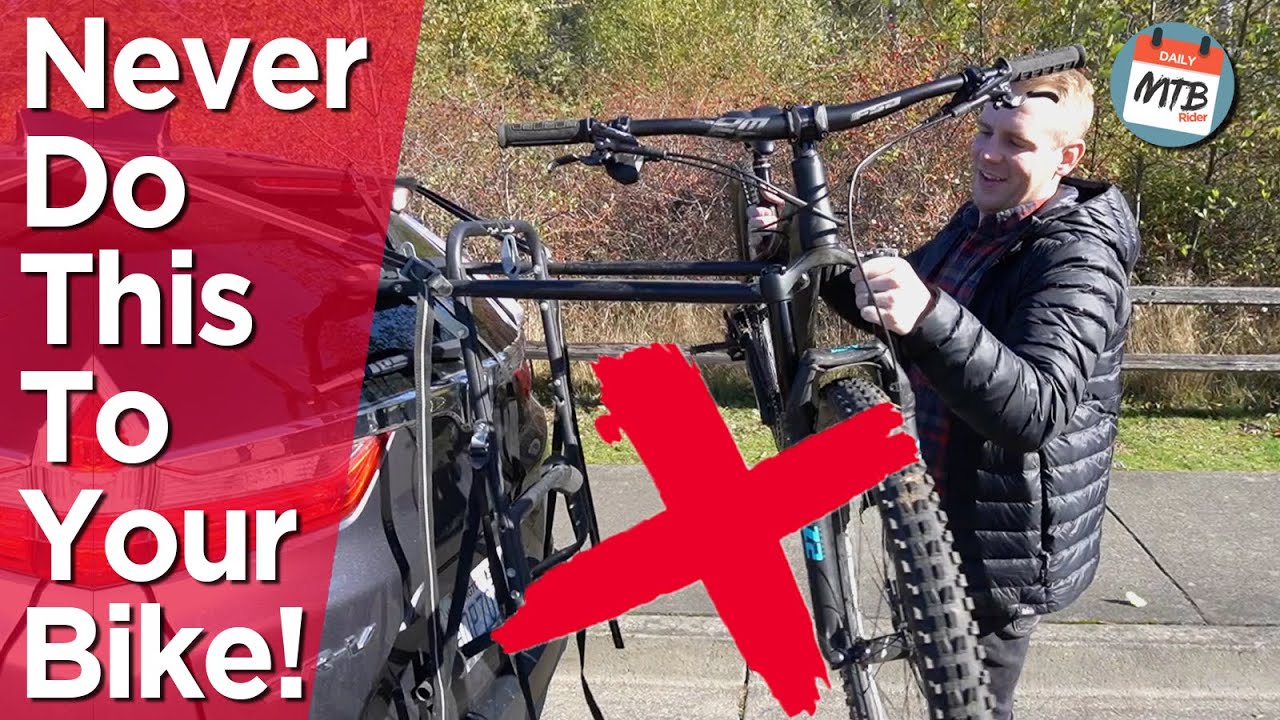
A bike rack attaches to your car’s trunk, roof, or hitch. It keeps your bike outside the car, saving space inside. There are three main types:
- Trunk-mounted racks: Cheap and easy to install, but less secure.
- Roof racks: Stable and do not block the trunk, but make the car taller.
- Hitch racks: Very stable, good for heavy bikes, but require a hitch on your car.
Always check the rack is tightly secured and the bike is properly fastened. Remove any loose parts, like pumps or lights.
Inside The Car
If your car is big enough, you can put the bike in the back seat or trunk. Remove the front wheel, lower the seat, and cover the chain to avoid dirt. Use blankets or padding to protect both the bike and the car interior.
Using A Trailer
For several bikes or long trips, a small trailer can be useful. It keeps the bikes safe and leaves space in your car. Make sure you have the right license and the trailer is legal in your area.
By Train
Many trains allow bikes, but rules are different everywhere. Some require a bike reservation, others need your bike in a special bag or box. If you use a bag, remove the wheels and pedals for a smaller package. Always check the train company’s website for their rules before you travel.
By Plane
Air travel is often the most complicated. Airlines have strict rules, and your bike must be packed carefully. Usually, you need a bike box or a bike bag. Remove the pedals, wheels, and sometimes the handlebars. Deflate the tires a little, and protect the frame with foam or clothes. There is often an extra fee. Always book your bike in advance.
By Bus
Long-distance buses sometimes allow bikes. You may have to remove the front wheel or put the bike in a bag. Space is often limited and must be booked early. Local buses rarely accept bikes unless they have a front rack.
By Shipping Service
If you are moving far or selling your bike, a courier or shipping service is a good choice. They usually require the bike to be boxed. Professional bike shops can pack the bike safely for you. Prices depend on distance and size.
How To Pack Your Bike For Safe Transport
Packing your bike well is one of the most important steps. Poor packing causes most transport damage. Here’s how to do it right:
- Clean your bike first. Dirt can scratch the frame during transport.
- Remove the pedals, front wheel, and handlebars (if possible). This makes the bike smaller and easier to pack.
- Deflate the tires a little. Changes in air pressure can damage fully inflated tires, especially on planes.
- Protect fragile parts. Use foam, bubble wrap, or old clothes to cover the frame, chain, and derailleur.
- Secure small parts. Put pedals, skewers, and bolts in a plastic bag and tape it to the frame.
- Use a strong box or bag. Cardboard bike boxes from bike shops are cheap and safe. Hard bike cases are best but expensive.
Here’s a comparison of common packing options:
| Packing Option | Protection Level | Cost | Weight |
|---|---|---|---|
| Cardboard box | Medium | Low | Light |
| Soft bike bag | Medium | Medium | Medium |
| Hard bike case | High | High | Heavy |
Credit: www.vanraam.com
Key Factors When Choosing A Transport Method
Choosing how to transport your bike depends on a few main factors:
- Distance: Short trips are easier by car or train. Long trips may require plane or shipping service.
- Budget: Bike racks and boxes can be cheap. Air travel and shipping can be expensive.
- Bike value: Expensive bikes need more protection. Use a hard case or professional packing.
- Time: Shipping takes longer than carrying the bike yourself.
- Local rules: Always check local transport laws and company rules. Some cities or countries have strict limits.
Common Mistakes And How To Avoid Them
Many people make simple mistakes when transporting bikes. Here are some to watch for:
- Not packing well enough: Rushed or careless packing leads to scratches or bent parts.
- Forgetting to check rules: Airlines, trains, and buses all have different rules. Always check before you travel.
- Loose parts: Small pieces like pedals or skewers get lost easily. Tape them to the frame.
- Not insuring the bike: If your bike is expensive, get travel insurance. Some home insurance covers bikes; check your policy.
- Ignoring extra fees: Airlines and shipping services often charge more for bikes. Ask about all costs up front.
Credit: www.youtube.com
Step-by-step Guide: Transporting Your Bike By Air
Air travel is tricky for beginners. Here’s a step-by-step guide to make it easier:
- Book your flight and bike slot early. Most airlines only allow a few bikes per flight.
- Get a proper bike box or bag. Cardboard boxes are often free from bike shops.
- Disassemble the bike: Remove pedals, front wheel, and sometimes handlebars. Lower or remove the seat.
- Wrap the frame and parts: Use foam, bubble wrap, or towels.
- Deflate the tires slightly.
- Place small parts in a bag: Tape it to the frame inside the box.
- Seal the box well: Use strong tape and label it with your name and contact number.
- Arrive early at the airport: Bike check-in takes longer than normal luggage.
- Collect your bike quickly after landing. Check for damage before you leave the airport.
How To Transport An Electric Bike (e-bike)
Electric bikes need special attention. Their batteries are heavy and can be dangerous if not handled properly.
- By air: Most airlines do not allow e-bike batteries, as they are considered dangerous goods. You may have to ship the battery separately by ground or buy a new one at your destination.
- By car or train: Remove the battery and carry it in the car. Protect all electrical contacts from dust and water.
- By shipping: Ask the courier if they accept e-bike batteries. Some do, but rules are strict.
Always remove the battery before packing the bike.
Safety And Legal Considerations
Transporting a bike is not just about packing. You must also think about legal and safety issues:
- Check local transport laws: In some places, carrying a bike on a car rack or trailer requires special lights or a license plate.
- Insurance: Expensive bikes should be insured for travel. If using a courier, ask about extra insurance.
- Documentation: When crossing borders, you may need proof of ownership, especially with high-end bikes.
Two Overlooked Tips For Bike Transport
Many beginners miss these two important points:
- Take photos of your bike before packing. If there is damage, you have proof for insurance or complaints.
- Carry basic tools. A small multi-tool, pump, and spare tube can save you if you need to reassemble or fix something after transport.
Cost Comparison Of Different Bike Transport Methods
To help you choose, here’s a simple cost and convenience comparison:
| Method | Average Cost (USD) | Convenience Level | Best For |
|---|---|---|---|
| Car (with rack) | $50-$300 (one time) | High | Short to medium trips |
| Train | $0-$30 (extra ticket) | Medium | Urban/regional travel |
| Plane | $75-$200 (per flight) | Low | Long distance/international |
| Shipping service | $80-$400 | Medium | Long moves/selling bikes |
Should You Use A Professional Bike Transport Service?
If you have a high-value bike or are traveling a long way, you may want a professional service. These companies handle all packing, insurance, and delivery. They are expensive, but the peace of mind is worth it for many cyclists. Always check reviews before choosing a company. For more on how professional bike transport works, see this Wikipedia overview.

Credit: velosurance.com
Frequently Asked Questions
How Do I Know Which Bike Rack Fits My Car?
Check your car’s make, model, and year. Most bike rack makers have online guides. Measure your car’s trunk or hitch and choose a rack that matches. Roof racks need roof bars; hitch racks need a trailer hitch.
Can I Take My Bike On A Bus?
Some long-distance buses allow bikes, but space is limited. You may have to remove a wheel or use a bike bag. City buses sometimes have front racks for bikes but not always. Always check with the bus company before you travel.
What Is The Safest Way To Pack A Bike For A Flight?
A hard bike case gives the best protection, but a strong cardboard box with padding also works. Remove pedals, wheels, and sometimes handlebars. Wrap everything with foam or bubble wrap and secure small parts in a bag.
How Do I Protect My Bike From Theft During Transport?
Never leave your bike unattended at stops. Use a strong lock if you stop overnight. When shipping, choose a service with tracking and insurance. Take photos of your bike and its serial number.
Can I Transport My Electric Bike By Plane?
Most airlines do not allow e-bike batteries on passenger flights. You may need to ship the battery separately by ground, or buy a new one at your destination. Always check airline rules before booking.
Transporting your bike does not have to be stressful or risky. With the right planning, good packing, and attention to detail, your bike can arrive safely, ready for your next adventure. Remember, each transport method has its pros and cons.
Choose based on your needs, and never skip careful packing. That way, your bike — and your trip — will both go smoothly.