Shipping an electric bike is not as simple as sending a regular bicycle. E-bikes contain lithium-ion batteries, which are considered hazardous items for transport. Their size, weight, and value also add extra complexity. Whether you want to send your e-bike for a vacation, to a buyer, or for repair, you need to follow special steps to ensure safety, legality, and that your bike arrives in perfect condition.
Many first-timers make mistakes—choosing the wrong packaging, missing paperwork, or not understanding shipping rules. This guide will walk you through every detail, from preparing your e-bike to selecting a carrier and handling the battery safely. By the end, you’ll be ready to ship your electric bike anywhere with confidence.
Understanding Electric Bike Shipping Challenges
Shipping e-bikes is different from shipping regular bikes. The main reason is the lithium battery. Shipping companies and airlines see these batteries as fire hazards. Some will not allow them at all, while others have strict rules. If you ignore these, your bike may be returned, delayed, or even destroyed.
E-bikes are also heavier than classic bikes. Most weigh between 45 to 70 pounds (20–32 kg) with the battery. Oversized boxes can mean extra fees. Some carriers limit the size or weight they accept.
Insurance and tracking are important, too. E-bikes are expensive, and damage in transit is not rare. Without the right insurance, you could lose thousands of dollars.
A common beginner mistake is thinking “bike shipping” is the same as “e-bike shipping. ” It’s not. Always check the carrier’s rules for electric bikes and batteries before you start.
Preparing Your Electric Bike For Shipping
Taking time to prepare your e-bike properly can prevent damage and smooth the shipping process.
1. Clean And Inspect Your Bike
Dirt and dust can hide scratches or issues that might be blamed on shipping. Clean your e-bike with a damp cloth. Check for any existing damage, take clear photos from all sides, and document the bike’s serial number.
2. Remove Or Secure The Battery
The battery is usually the most regulated part. Most carriers require you to remove the battery and ship it separately, or not at all. Some airlines and couriers won’t ship batteries over a certain watt-hour (Wh) rating.
- Remove the battery carefully, following the manufacturer’s instructions.
- If you can’t remove it, check if your bike can ship by ground (not air), as batteries are often banned from planes.
- If shipping the battery separately, use the original packaging or a special UN-certified box for lithium batteries.
3. Disassemble Parts
To reduce size and risk of damage:
- Remove pedals, front wheel, and handlebars (if possible).
- Lower or remove the seat post.
- Secure loose parts in bubble wrap or padded bags.
4. Protect And Pack
Use a strong bike box or crate. Many bike shops will give you a used box for free.
- Place the frame in the center, surrounded by foam and padding.
- Put small parts (pedals, bolts) in labeled bags and tape them inside the box.
- Make sure nothing can move inside the box.
Here’s a comparison of typical packaging options:
| Packaging Type | Protection Level | Cost | Reusable? |
|---|---|---|---|
| Cardboard Bike Box | Good | Low | No |
| Hard Plastic Bike Case | Excellent | High | Yes |
| Wooden Crate | Best | Very High | Yes |
5. Weigh And Measure The Package
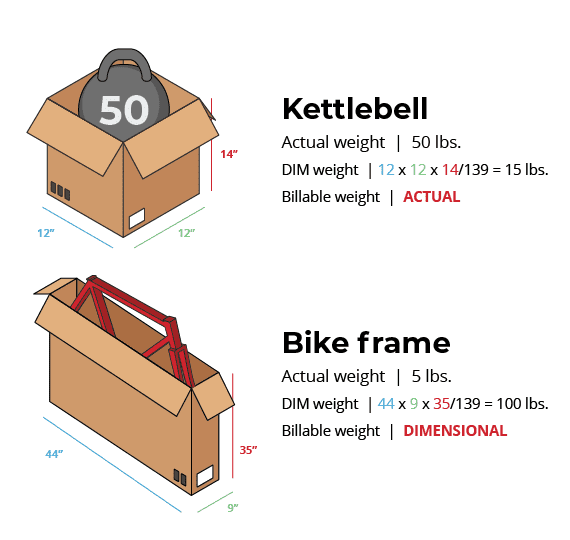
Carriers will charge based on weight and dimensions. Use a scale and a tape measure. Record everything for your records and to get accurate quotes.
6. Label Correctly
Use a permanent marker or printed shipping label. Include:
- Your name, phone number, and address
- Destination address and contact
- “ELECTRIC BIKE” and “LITHIUM BATTERY INSIDE/REMOVED” as needed

Credit: www.youtube.com
Choosing The Right Shipping Service
Not all shipping companies accept e-bikes, and some have very different prices or rules.
Main Carrier Options
- Specialized Bike Shippers: Companies like BikeFlights or ShipBikes know how to handle e-bikes. They provide tracking, insurance, and clear instructions.
- Major Couriers: FedEx, UPS, DHL, and some national postal services accept e-bikes, but may not ship batteries or have route restrictions.
- Freight Services: For very large or heavy shipments, freight companies can move your e-bike, often by truck or sea.
Domestic Vs. International Shipping
- Domestic shipping is much simpler. Ground shipping is allowed for batteries, and there are fewer paperwork requirements.
- International shipping is more difficult. Some countries ban lithium batteries, or require special paperwork and fees.
Example: Fedex Vs. Specialized Bike Shipper
| Service | Accept E-bikes? | Battery Rules | Cost (avg.) | Insurance |
|---|---|---|---|---|
| FedEx Ground | Yes | Battery removed, shipped separately | $100–$250 (domestic US) | Optional, extra fee |
| BikeFlights | Yes | Battery removed, special box | $120–$300 (domestic US) | Included or optional upgrade |
Common Beginner Mistakes
- Not checking if batteries are allowed on your chosen route.
- Forgetting to buy insurance for a high-value e-bike.
- Choosing air shipping without understanding battery restrictions.
- Underestimating the total cost (hidden fees for “oversize” or “hazardous” items).
Shipping The Battery: What You Need To Know
Lithium-ion batteries are regulated by international and national laws. Mishandling them can cause fires. Always follow these rules:
Battery Shipping Basics
- Most e-bike batteries are 300–700 Wh, which is over most airline limits (usually 100 Wh).
- Some carriers allow ground transport only.
- Use the original battery box if possible, or a UN38.3-certified box.
- Protect the battery terminals with electrical tape.
Proper Labeling
Clearly mark the package with “LITHIUM ION BATTERY” and include handling labels (many carriers provide these). Some countries need extra paperwork—check before you ship.
Shipping Without The Battery
If you can’t ship the battery, consider:
- Shipping the bike without it, and buying a new battery at your destination.
- Having the battery shipped separately by a dangerous goods specialist.
Typical Battery Restrictions By Carrier
| Carrier | Battery Allowed? | Shipping Type | Extra Paperwork? |
|---|---|---|---|
| FedEx | Yes | Ground only | Yes |
| UPS | Yes | Ground only | Yes |
| USPS | No (most e-bike batteries) | N/A | N/A |
| BikeFlights | Yes | Ground only | Yes |
Shipping Insurance And Tracking
Never ship an e-bike without insurance and tracking. E-bikes often cost $1,000–$5,000 or more. If lost or damaged, you want to be covered.
- Get declared value insurance that covers the full replacement value.
- Use a carrier with detailed tracking and delivery confirmation.
- Take photos of the packing process, the box, and the shipping label as evidence.
It’s easy to skip insurance to save money, but this is risky—especially for international or long-distance shipping.
Legal And Customs Considerations
If shipping internationally, there are extra steps:
- Check if the destination country allows e-bike batteries to be imported.
- Fill out a customs declaration form accurately. Under-declaring value can lead to fines or confiscation.
- Be ready to pay import duties or VAT.
- Some countries require proof the battery meets safety standards (like UN38.3 certification).
Not all countries have clear e-bike laws—search for recent updates on official customs websites or consult your shipping company.
Credit: redstagfulfillment.com
Receiving And Assembling Your Electric Bike
When your e-bike arrives, check for these steps:
- Inspect the box for damage before signing for delivery.
- Open the box carefully and compare to your “before” photos.
- Reattach the wheels, handlebars, pedals, and seat.
- If you shipped the battery separately, install it only after checking for damage.
- Test the bike’s electrical system before riding.
If there is damage, take photos immediately and contact the shipper and insurance company right away.
Hidden Insights And Pro Tips
- Keep all paperwork: Shipping receipts, battery certifications, and customs forms may be required for insurance claims or delivery.
- Use a local bike shop: Many shops will pack your e-bike professionally for a small fee, reducing the risk of mistakes.
- Notify the recipient: Let them know tracking details and any special steps for battery acceptance, to avoid missed deliveries or returns.
- Check for software locks: Some e-bikes have theft-prevention features that need resetting after shipping.
Most shipping problems come from rushing or missing small details—taking time at each step saves money and stress.

Credit: leoguarbikes.com
Frequently Asked Questions
How Much Does It Cost To Ship An Electric Bike?
The cost varies based on distance, size, and carrier. Within the US, expect $100–$300 for ground shipping. International shipping can be $300–$700 or more, especially with insurance and battery fees.
Can I Ship My E-bike Battery By Air?
Usually not. Most airlines and couriers ban e-bike batteries over 100 Wh (most are 300–700 Wh). Ground shipping is the safest and most accepted method.
Is Insurance Necessary For Shipping An E-bike?
Yes, always buy insurance. E-bikes are expensive, and carriers do not cover full value unless you buy extra protection.
Which Shipping Companies Are Best For Electric Bikes?
Specialized shippers like BikeFlights or ShipBikes are best. Major couriers like FedEx and UPS can work for domestic ground shipping, but check their battery rules.
What Paperwork Is Needed For International Shipping?
You need a customs declaration form, battery safety certification, and sometimes import permits. Rules vary by country—check official government sites or ask your shipper.
Shipping an electric bike requires attention to detail, especially around battery safety and regulations. By preparing carefully, choosing the right carrier, and documenting every step, you can move your e-bike safely and confidently. For the latest rules and updates, check resources like the TSA’s guidance on bicycle and battery shipping. With careful planning, your e-bike will reach its destination ready to ride.