Can You Get A Dui On A Bike In Mn
Many people believe that drunk driving laws only apply to cars and trucks. In Minnesota, questions often come up about whether you can get a DUI (Driving Under the Influence) if you ride a bike after drinking alcohol. The answer is not as simple as yes or no. Understanding the laws, risks, and consequences can help you stay safe and avoid legal trouble. This article explores Minnesota’s rules for biking under the influence, how they compare to DUI laws for other vehicles, and what you should know before you get on your bicycle after drinking.
Understanding Dui Laws In Minnesota
Minnesota’s DUI law is officially called Driving While Impaired (DWI). The law is found in Minnesota Statutes Section 169A.20. It states that it is illegal to drive, operate, or be in physical control of a motor vehicle while under the influence of alcohol, drugs, or a combination of both.
Key points:
- The legal blood alcohol concentration (BAC) limit is 0.08% for most drivers.
- For commercial drivers, the limit is lower: 0.04%.
- Minors (under 21) face a zero-tolerance policy.
The law is strict, and it covers many types of vehicles. But what about bicycles?
Are Bicycles Covered Under Minnesota’s Dui Law?
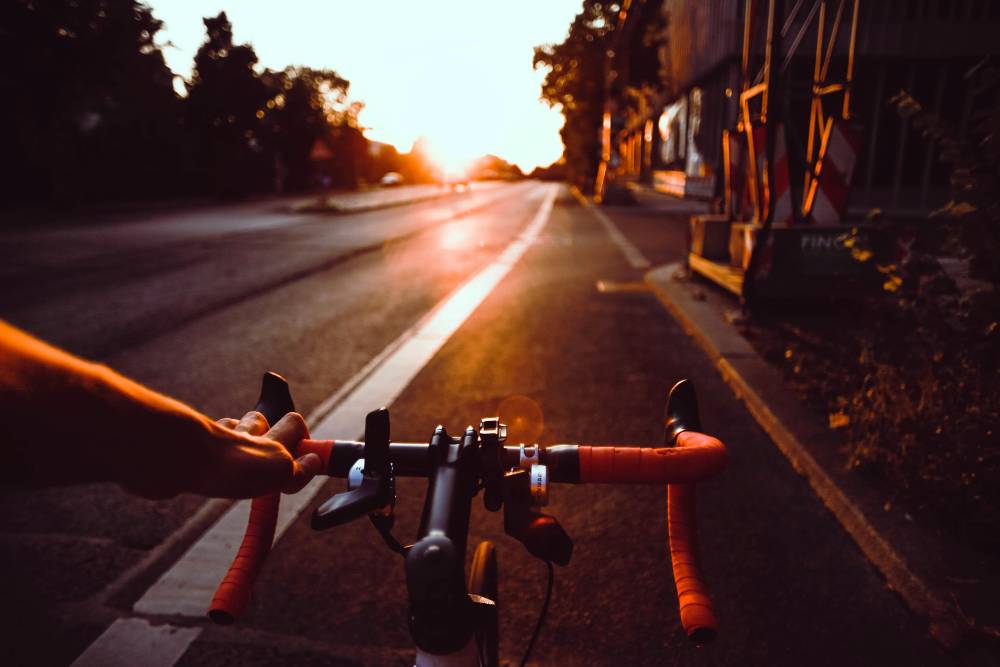
This is where things get interesting. In Minnesota, the law defines a motor vehicle as any vehicle that is self-propelled or powered by something other than muscle power. Since a bicycle is powered only by the rider, it is not considered a motor vehicle under the DWI law.
So, in simple terms:
- You cannot be charged with a DWI for riding a regular bicycle while drunk in Minnesota.
However, this does not mean you are completely safe or free from legal consequences. There are other laws and risks to consider.
Credit: arechigo-stokka.com
Other Laws That Apply To Drunk Bicyclists
Even if you cannot get a DWI on a regular bike, you might still face legal problems. Minnesota has other laws that can affect you if you ride a bike while impaired.
Public Intoxication And Disorderly Conduct
Minnesota does not have a law against public intoxication by itself. But if your behavior on a bike puts others in danger, you could be charged with disorderly conduct or similar offenses. For example:
- Weaving in and out of traffic
- Colliding with pedestrians
- Ignoring traffic signals
If you cause an accident or injury, police can use these other laws to charge you.
Reckless Or Careless Riding
Riding a bicycle while drunk can easily lead to reckless or careless riding. Police can issue citations if they believe you are operating your bike in a dangerous way, even if you are not over the legal alcohol limit.
Local Ordinances
Some cities in Minnesota have their own rules about biking and alcohol. For example, a city might ban biking in certain areas after drinking or set local penalties for unsafe riding. Always check local laws before biking after alcohol use.
What About E-bikes And Motorized Vehicles?
The rise of electric bikes (e-bikes) and motorized scooters creates new questions. Minnesota law treats these differently than traditional bicycles.
E-bikes
- E-bikes with a motor size under 750 watts and a top speed of 20 mph are not considered motor vehicles.
- But, if the e-bike goes faster or is more powerful, it may be classified as a motor vehicle.
Motorized Scooters And Mopeds
- These are usually considered motor vehicles under Minnesota law.
- Riding these while drunk can lead to a DWI charge.
Here’s a comparison for clarity:
| Vehicle Type | DWI Applies? | Notes |
|---|---|---|
| Regular Bicycle | No | Possible other charges |
| E-Bike (under 750W/20 mph) | No | Treated like a bike |
| E-Bike (over 750W/20 mph) | Yes | Considered a motor vehicle |
| Motorized Scooter/Moped | Yes | DWI law applies |
| Car/Truck | Yes | DWI law applies |
Risks Of Riding A Bike While Drunk
Even if you cannot get a DWI, riding a bike after drinking is risky. Alcohol affects your balance, judgment, and reaction time. Here are some dangers:
- Accidents: Drunk cyclists are more likely to fall, swerve, or crash into cars, pedestrians, or objects.
- Injuries: Head injuries are common in bike accidents, and alcohol increases the risk.
- Legal Problems: If you cause harm, you can face lawsuits or criminal charges.
- Insurance Issues: Health or liability insurance may not cover injuries if alcohol is involved.
Data On Drunk Bicycling
According to the National Highway Traffic Safety Administration (NHTSA), about 20% of all bicyclist deaths involve alcohol use by the rider. This shows the real danger, even if the law does not always punish drunk biking the same as drunk driving.
What Happens If Police Stop A Drunk Cyclist?
If police see you riding a bike unsafely after drinking, they can stop you. What happens next depends on your actions and the situation.
- If you are simply riding home quietly, they may give you a warning or help you get home safely.
- If you are causing danger or damage, you could be ticketed or arrested for disorderly conduct, reckless riding, or related charges.
Here is what police might consider:
| Behavior | Possible Police Action |
|---|---|
| Riding safely, not causing problems | Warning or no action |
| Weaving, ignoring signals, endangering others | Citation or arrest |
| Causing an accident or injury | Arrest, possible criminal charges |

Credit: ramsayresults.com
How Minnesota Compares To Other States
DUI laws for bicycles are different across the U.S. Some states treat bikes like cars; others do not. Here is a brief comparison:
| State | DUI Applies to Bikes? | Notes |
|---|---|---|
| Minnesota | No | Other charges possible |
| California | Yes (special law) | Different penalties |
| New York | No | Other laws may apply |
| Florida | Yes | Treated like cars |
| Wisconsin | No | Other charges possible |
This shows that Minnesota is not unique, but the laws can be confusing if you travel across state lines.
Practical Tips For Safe Biking After Drinking
If you have had alcohol and need to get home, biking may seem safer than driving. However, consider these tips to protect yourself and others:
- Use public transit or rideshare: Buses, trains, or taxis are safer options.
- Walk your bike: If you must use your bike, walk it instead of riding.
- Stay off busy roads: Avoid main streets and ride on quiet roads or bike paths.
- Wear a helmet: This reduces the chance of head injury.
- Have a sober friend with you: They can help if you get into trouble.
- Know your limits: If you feel unsteady, do not ride.
Two Common Mistakes To Avoid
Many beginners believe that:
- “Biking drunk is completely legal.” In reality, you can still face other charges and risks.
- “Police will ignore cyclists.” Police can and do stop drunk cyclists, especially if someone is put in danger.
Credit: kellerlawoffices.com
The Role Of Alcohol In Bicycle Accidents
Studies show that alcohol is involved in a significant number of bike accidents. One NHTSA study found that one-third of fatally injured cyclists had a BAC of 0.08% or higher. This is the same legal limit for driving.
Alcohol slows your reaction time and affects your balance. Even one or two drinks can make it hard to avoid potholes, cars, or people. In Minnesota, the cold and icy roads in winter make biking even more dangerous after drinking.
What Should You Do If Stopped By Police?
If you are stopped on your bike after drinking, stay calm and polite. Here are steps to follow:
- Be respectful: Answer questions honestly but do not argue.
- Follow instructions: If the officer asks you to stop or walk your bike, do so.
- Do not flee: Trying to ride away can lead to worse charges.
- Ask for clarification: If you do not understand why you are being stopped, ask the officer to explain.
Remember, you still have rights. If you are unsure about the law or your situation, you can ask to speak to a lawyer.
When Can A Drunk Biker Be Sued?
If you injure someone or damage property while biking drunk, you can be held civilly liable. This means the injured party can sue you for damages. Insurance may not cover you if you were drinking. Some people lose thousands of dollars in lawsuits after drunk biking accidents.
Minnesota follows a comparative fault system. If both you and the other party were partly at fault, any damages may be divided based on each person’s responsibility.
Should You Ever Bike After Drinking In Minnesota?
From a safety and legal perspective, the answer is clear: no. Even if you cannot get a DWI on a regular bicycle, the risks are high. Injuries, fines, lawsuits, and criminal charges are all possible. For your safety and the safety of others, find a safer way home.
Where To Learn More
Minnesota’s Department of Public Safety and the Minnesota Office of Traffic Safety provide more information on road safety and DUI laws. For further reading on bike safety and legal issues, see the Wikipedia: Drunk Bicycling page.
Frequently Asked Questions
Can I Get A Dui For Riding An Electric Scooter In Minnesota?
Yes. Most electric scooters and mopeds are considered motor vehicles under Minnesota law. Riding them while drunk can lead to a DWI charge, just like with a car.
What Is The Penalty For Biking Drunk In Minnesota?
You cannot get a DWI for riding a regular bike drunk, but you can be cited for disorderly conduct, reckless riding, or similar offenses. Penalties may include fines or even jail time if someone is hurt.
Do Bike Dui Laws Apply On Private Property?
DWI laws in Minnesota apply mainly to public roads and spaces. However, causing harm or breaking other laws on private property can still result in charges.
If I Am Drunk And Walking My Bike, Can I Be Charged?
Walking your bike is not considered operating a vehicle, so DWI does not apply. But if you are so drunk that you create a public disturbance, police could charge you with disorderly conduct.
Does A Dwi On A Bike Affect My Driver’s License?
No. Since you cannot get a DWI for riding a regular bicycle in Minnesota, your driver’s license is not affected by drunk biking. If you get a DWI on a motorized vehicle (e-scooter, moped, car), your license can be suspended.
Minnesota’s laws protect cyclists from DWI charges on regular bikes, but the risks of drunk biking are still real. Make safe choices, and always consider the consequences before you ride.