Can You Ride A Bike On The Sidewalk In Florida
In Florida, the rules for riding a bike can be confusing, especially when it comes to sidewalks. You might see some cyclists using the sidewalk and others staying on the road. If you want to ride your bike safely and legally, it’s important to understand Florida’s laws and local regulations.
Whether you’re a resident, a visitor, or a parent with children, knowing where you can and cannot ride will help you avoid fines and keep everyone safe.
This article explains everything you need to know about riding a bicycle on sidewalks in Florida. We’ll cover state laws, city rules, safety tips, exceptions, penalties, and common mistakes. By the end, you’ll have a clear picture of what’s allowed, what’s not, and how to stay smart on two wheels.
Florida State Law: Bicycles And Sidewalks
Florida treats bicycles as vehicles, but there are some special rules. According to Florida Statute 316.2065, cyclists have the same rights and responsibilities as drivers of other vehicles. However, when it comes to sidewalks, the law makes an important distinction.
What The State Law Says
The law allows cyclists to ride on sidewalks unless a local city or county has made a rule against it. This means that, in most of Florida, you can ride your bike on the sidewalk. But you must yield to pedestrians and give an audible signal (such as saying “on your left” or using a bell) before passing someone.
Key points from the law:
- Cyclists on sidewalks have the same rights as pedestrians.
- Cyclists must yield to people walking.
- Cyclists must signal before passing pedestrians.
What Rights Do Cyclists Have?
When you ride a bike on the sidewalk, you are treated like a pedestrian under state law. This means cars must yield to you at crosswalks, and you can use pedestrian signals to cross the street. But you also have to follow pedestrian rules, such as stopping at red lights and crosswalks.
Age Does Not Matter
Some people think only children can ride on sidewalks. In Florida, all ages can ride on the sidewalk unless a local rule says otherwise. Adults, teens, and children are all allowed.
Local Rules: Cities And Counties
Florida’s law lets cities and counties make their own rules about sidewalk cycling. This is where things get tricky. Some places may ban bikes on certain sidewalks, especially in busy downtown areas, beaches, or shopping districts.
How Local Laws Vary
Each city or county can set its own rules. For example:
- In Miami Beach, cycling is not allowed on sidewalks in some busy areas.
- Orlando allows sidewalk riding, but bans it in certain business districts.
- In Tampa, bikes are not allowed on sidewalks in the central downtown area.
If you travel between cities, the rules can change quickly. That’s why it’s important to look for signs or check city websites before you ride.
Common Local Exceptions
Some common places where sidewalk cycling is banned or restricted:
- Major downtown areas with heavy foot traffic
- Popular tourist zones (like boardwalks)
- School zones during busy hours
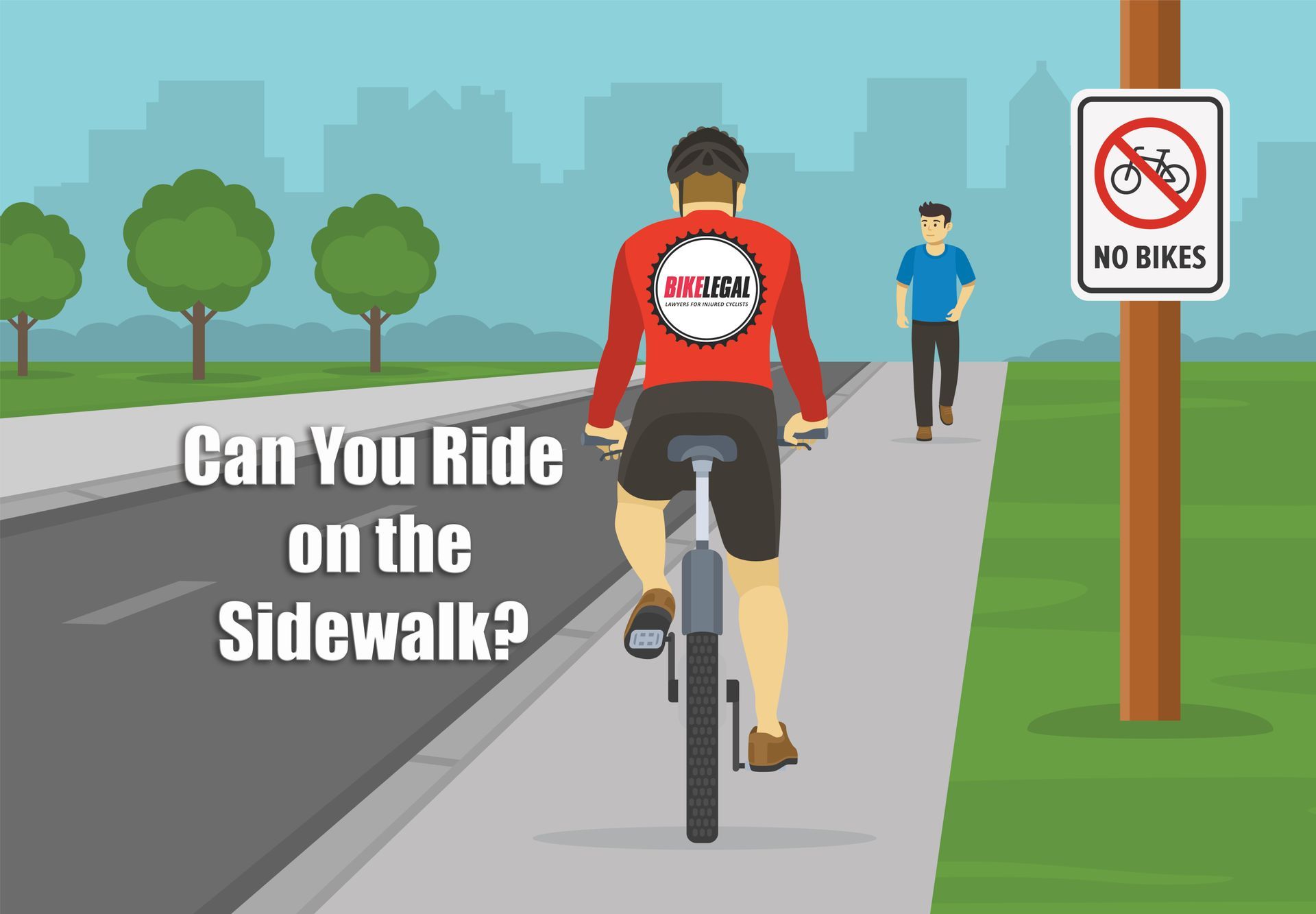
Local rules are often posted on signs. If you see a sign that says “No Bikes on Sidewalk,” you must follow it—even if the state law allows sidewalk cycling in general.
Finding Out Local Rules
To be sure about the rules:
- Check your city or county’s official website.
- Look for posted signs along sidewalks and crossings.
- Ask a local police officer or community center.
Many cities list their cycling rules online. For example, you can find Miami’s cycling laws on their government site.
Sidewalk Cycling Vs. Road Cycling
Choosing between the sidewalk and the road depends on safety, comfort, and the law.
Comparing Sidewalks And Roads
Here’s a simple comparison to help you decide where to ride:
| Factor | Sidewalk | Road |
|---|---|---|
| Legal Status | Allowed in most areas (check local rules) | Always allowed, must follow traffic laws |
| Safety | Safer from cars, but more pedestrians | Closer to vehicles, higher speed traffic |
| Speed | Slower, must yield to walkers | Faster, but must keep up with traffic flow |
| Comfort | Good for beginners or children | Better for experienced cyclists |
Practical Tips
- If you’re new to cycling or riding with kids, sidewalks often feel safer.
- On busy sidewalks, it’s better to walk your bike or ride slowly.
- Always watch for cars at driveways and intersections—drivers may not see you on the sidewalk.
Rules For Safe Sidewalk Cycling
Even when sidewalk riding is legal, safety is key. Here are rules and habits every cyclist should follow.
Yield To Pedestrians
Pedestrians always have the right of way. Slow down when you approach people walking. If the sidewalk is crowded, you may need to stop or walk your bike.
Give An Audible Signal
Florida law requires you to warn before passing someone. You can say “passing on your left,” ring a bell, or use a horn. This prevents surprises and keeps everyone safe.
Watch For Cars At Driveways
Most accidents happen where sidewalks cross driveways or parking lot exits. Drivers often look for cars, not bikes. Slow down, look both ways, and be ready to stop.
Obey Traffic Signals
At crossings and intersections, follow the same signals as pedestrians. Cross only when it’s safe and legal.
Ride At A Safe Speed
Don’t go too fast. Sidewalks are not for racing. Keep your speed low, especially near children or in busy areas.
Use Lights At Night
If you ride at night, Florida law says you need a white front light and a red rear light or reflector. This applies even on sidewalks.
Keep To The Right
Stay to the right side of the sidewalk so others can pass. This is a simple way to prevent collisions.
Common Mistakes And How To Avoid Them
Many cyclists, especially beginners, make simple errors. Here are some common mistakes and tips to stay safe and legal.
- Ignoring Local Bans: Not checking for local rules can lead to fines. Always look for signs and check city laws.
- Not Yielding to Walkers: Some cyclists forget to slow down or warn pedestrians. This can cause accidents or complaints.
- Riding Too Fast: High speeds on sidewalks are dangerous. Keep it slow.
- No Lights at Night: Riding without lights makes you hard to see. Always use lights after dark.
- Entering Crosswalks Quickly: If you ride into a crosswalk at speed, drivers may not see you in time. Slow down or walk your bike across.
Penalties For Breaking The Rules
If you break cycling laws in Florida, you can get a ticket. Fines range from $15 to $60, depending on the city and the violation.
| Violation | Possible Fine |
|---|---|
| Riding where sidewalk cycling is banned | $30–$50 |
| Failing to yield to pedestrians | $15–$30 |
| No lights at night | $15–$60 |
| Reckless riding or endangering others | Up to $60 |
Fines may be higher in tourist areas or for repeat offenses. In serious cases, police can impound your bike or require a court appearance.
Sidewalk Cycling For Children And Families
Sidewalks often feel safer for kids, but parents should know the rules and risks.
Tips For Children
- Teach kids to always stop at driveways and look for cars.
- Make sure children know how to signal before passing.
- Supervise young riders, especially near busy streets.
Special Family Considerations
If you ride as a family, keep everyone in a single line. Don’t block the sidewalk. Remind children to watch for walkers and keep to the right.
Many schools encourage sidewalk cycling for younger students, but require helmets for children under 16 (it’s the law in Florida).
Special Cases: Bikes, E-bikes, And Other Devices
With new types of bikes on the road, the rules are changing.
Electric Bicycles (e-bikes)
Florida law treats e-bikes like regular bicycles if their top speed is 28 mph or less. This means e-bikes can usually use sidewalks—unless a city bans them. Always check local rules, as some places ban e-bikes from sidewalks but allow regular bikes.
Scooters And Skateboards
Motorized scooters are often banned from sidewalks, even when bikes are allowed. Skateboards and non-motorized scooters may be allowed, but rules vary. Check signs and city codes for details.
Multi-use Paths
Some paths are open to bikes, walkers, and skaters. These often have their own rules. If a path is marked “multi-use,” you can ride, but follow posted speed limits and yield rules.

Credit: www.bikelegalfirm.com
Data: Bicycle Accidents On Sidewalks
You might think sidewalks are always safer, but data shows mixed results.
- In Florida, about 20% of bike crashes happen on sidewalks or at sidewalk crossings.
- Most sidewalk-bike accidents involve cars turning in or out of driveways.
- Children under 15 are more likely to be involved in sidewalk accidents than adults.
This doesn’t mean sidewalks are dangerous, but it shows the importance of slowing down at driveways and intersections. Always be alert—drivers may not expect you on the sidewalk.
| Location | % of Bike Accidents |
|---|---|
| On the road | 70% |
| On the sidewalk | 20% |
| On multi-use paths | 10% |
Non-obvious Insights For Safer Sidewalk Riding
Many cyclists never think about these two points:
- Driveway Dangers Are Greater Than Intersections: While many watch out at street crossings, most sidewalk-bike crashes happen at driveways. Always slow down and make eye contact with drivers pulling out.
- Speed Surprises Drivers: If you’re riding fast on the sidewalk, drivers at stop signs or driveways won’t expect you. Even if you have the right of way, it’s safer to slow down and be visible.
Credit: www.bikelegalfirm.com
Where To Get More Information
For the latest rules, check the Florida Department of Transportation’s bicycle laws or your city’s official site. You can also find helpful guides at Florida Highway Safety and Motor Vehicles.
Frequently Asked Questions
Can I Ride My Bike On Any Sidewalk In Florida?
Most sidewalks are open to bikes, but some cities or areas have bans. Always look for local signs and check city rules before riding.
Do I Have To Wear A Helmet While Riding On The Sidewalk?
In Florida, anyone under 16 must wear a helmet while biking, even on the sidewalk. Adults are not required, but helmets are strongly recommended for safety.
Are Electric Bikes Allowed On Sidewalks?
E-bikes with a top speed of 28 mph or less are usually allowed on sidewalks, unless local rules say otherwise. Always check city laws and posted signs.
What Should I Do If The Sidewalk Is Crowded With Pedestrians?
Slow down, yield to walkers, and give an audible signal before passing. If the sidewalk is too crowded, walk your bike or use the road if it’s safe.
What Happens If I Break A Sidewalk Cycling Rule?
You may get a ticket or fine, usually between $15 and $60 depending on the violation and the city. Repeat offenses can lead to higher penalties.
Riding a bike on the sidewalk in Florida can be convenient and safe, but only if you follow both state and local laws. Remember to always yield to pedestrians, check for local bans, and ride carefully at driveways and crossings.
By staying alert and respectful, you’ll enjoy a safer ride—and keep Florida’s paths and sidewalks friendly for everyone.
Credit: floridabicycle.org