Cycling is often praised for its simplicity and accessibility. Whether you ride a city bike to work, hit challenging mountain trails, or enjoy spinning classes at the gym, one question comes up again and again: Does bike riding tone legs? People want leaner, stronger legs, and cycling seems like an enjoyable way to achieve this goal. But does it truly work, and if so, how?
This article will explain in detail how bike riding affects your leg muscles, what kind of results you can expect, and how to maximize your workout for the best results. We’ll also look at common myths, compare cycling with other leg-toning exercises, and answer questions beginners often have but may be shy to ask.
Get ready to discover everything you need to know about the relationship between cycling and toned legs.
How Bike Riding Works Your Leg Muscles
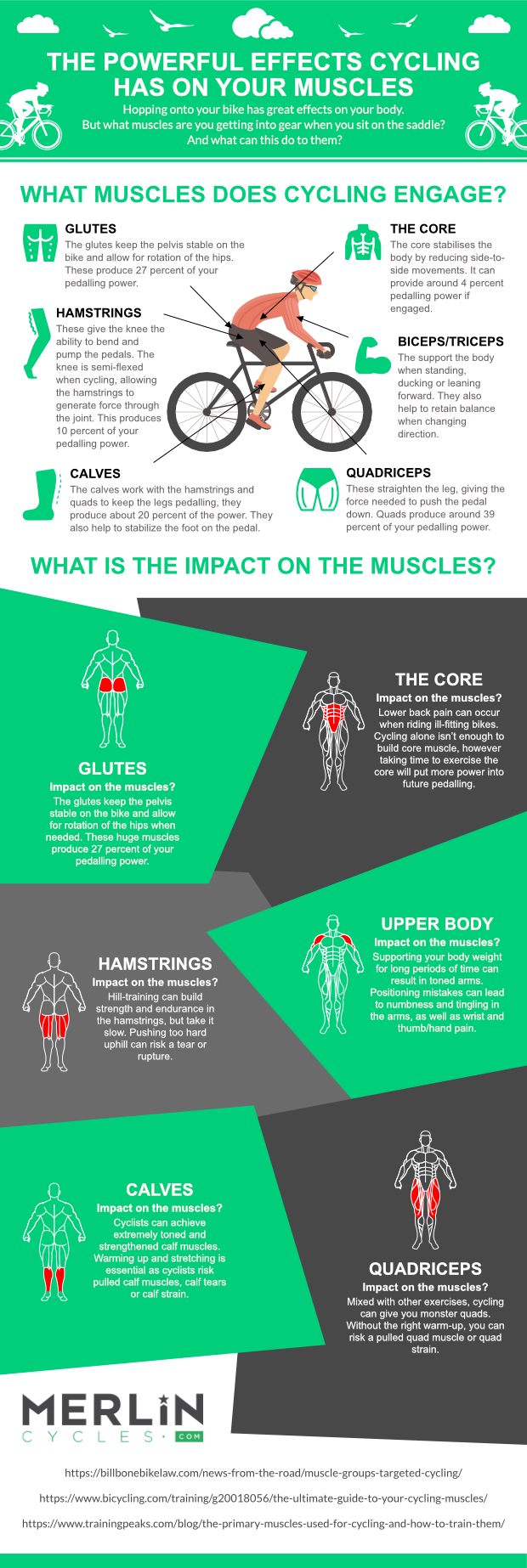
When you pedal, your legs move in a repetitive, circular motion. This action engages several key muscle groups:
- Quadriceps (front of the thighs)
- Hamstrings (back of the thighs)
- Glutes (buttocks)
- Calves (lower legs)
- Hip flexors (top of the thighs near your hips)
Each time you push the pedal down, your quadriceps and glutes do most of the work. As you pull the pedal up, your hamstrings and hip flexors help. The calves work throughout the cycle for stability and power. Even though cycling is low-impact, it provides continuous resistance, which helps muscles grow stronger and more defined over time.
What Does “toning” Really Mean?
Many people use the word “toned” to describe lean, firm muscles with visible definition. Technically, muscle tone is the state of slight contraction muscles keep all the time, even when relaxed. In fitness, “toning” usually means reducing fat while increasing or maintaining muscle, so that muscles look more visible.
Cycling can help you achieve this by:
- Burning calories (helping reduce body fat)
- Building muscle endurance (increasing firmness and strength)
- Improving blood flow (making muscles healthier and more noticeable)
However, toning is not just about exercise; it also depends on your diet, body type, and overall activity level.
How Effective Is Cycling For Toning Legs?
Cycling is one of the most effective cardiovascular exercises for the lower body. Here’s why:
- High repetition, moderate resistance: You pedal hundreds or thousands of times during a ride, which builds endurance and shape.
- Adjustable intensity: You can ride at a relaxed pace for long sessions or do short, intense sprints to challenge your muscles.
- Low-impact movement: Unlike running, cycling is gentle on the knees and joints, making it suitable for most people.
Studies show that regular cyclists have greater muscle endurance and lower body fat in their legs compared to non-cyclists. For example, a study published in the *Journal of Strength and Conditioning Research* found that recreational cyclists had better leg muscle composition than sedentary adults.
Visible Results: What To Expect And When
One of the most common beginner questions is: “How long does it take to see results from cycling?” The answer depends on several factors:
- Current fitness level
- Frequency and duration of rides
- Intensity of effort
- Diet and rest
For most people, noticeable improvements in leg muscle tone appear after 4 to 8 weeks of regular cycling (3–5 times per week, 30–60 minutes per session). At first, you may feel your legs getting firmer rather than seeing big visual changes.
As you continue, muscles become more defined, especially if you also manage your calorie intake to reduce body fat.
Example Timeline
- Weeks 1–2: Increased endurance, muscles feel tighter
- Weeks 3–5: Clothes fit differently; legs feel stronger
- Weeks 6–8: Visible definition, especially in the thighs and calves
If you want faster or more dramatic results, adding hill climbs, interval sprints, or standing while pedaling can increase the muscle challenge.
Stationary Bike Vs. Outdoor Cycling
Both indoor and outdoor cycling can help tone your legs, but there are some differences. Here’s a comparison:
| Feature | Stationary Bike | Outdoor Cycling |
|---|---|---|
| Control Over Resistance | Precise and easily adjustable | Varies with terrain |
| Weather Dependence | Indoors, not affected | Weather can limit rides |
| Muscle Activation | Constant, repetitive | Changes with slopes, turns, stops |
| Convenience | Anytime, at home or gym | Need bike, gear, safe roads |
For muscle tone, both methods are effective. Stationary bikes allow for focused intervals and resistance training. Outdoor rides introduce natural hills and changes in terrain, which can challenge your muscles in new ways.
Comparing Cycling With Other Leg-toning Activities
Is cycling better than running, walking, or strength training for toning legs? Here’s a quick side-by-side look:
| Exercise | Muscle Toning | Calorie Burn | Impact on Joints |
|---|---|---|---|
| Cycling | High | 400–700/hour* | Low |
| Running | Moderate–High | 600–1000/hour* | High |
| Walking | Low–Moderate | 200–350/hour* | Very Low |
| Strength Training (Leg Focus) | Very High | 250–500/hour* | Varies |
*Calories burned depend on weight and effort.
Cycling offers a great balance of muscle toning, calorie burning, and joint-friendliness. However, adding some squats, lunges, or resistance band exercises can help further shape and define your leg muscles. Combining cycling with other activities can give you the best results.

Credit: www.marsu.edu.ph
Common Myths About Cycling And Leg Shape
Myth 1: “cycling Makes Your Legs Bulky”
Some people worry that cycling will make their thighs “too big.” In reality, most recreational cyclists develop lean, toned legs. Building bulky muscles requires very high resistance, heavy weights, and a special diet. For most, cycling leads to stronger, more defined, but not oversized, legs.
Myth 2: “you Only Work Your Quads”
It’s true that the quadriceps do a lot of work, but cycling also activates the hamstrings, glutes, and calves. Standing up to pedal or riding uphill increases the involvement of the glutes and hamstrings.
Myth 3: “you Can Spot-reduce Fat With Cycling”
Cycling burns calories and can reduce overall body fat, but you can’t choose where the fat disappears first. Genetics decide where your body loses fat. However, as you lower your total body fat, your leg muscles become more visible.
How To Maximize Leg Toning From Cycling
To get the most from cycling, try these strategies:
1. Vary Your Workouts
Mix flat rides with hill climbs, interval sprints, and longer endurance sessions. Changing intensity helps activate different muscle fibers.
2. Use Higher Resistance
Increase the resistance on your stationary bike or shift to a harder gear outdoors. This forces your muscles to work harder, promoting more strength and definition.
3. Stand Up Occasionally
Standing while pedaling, especially during climbs, engages the glutes and hamstrings even more.
4. Focus On Proper Form
Keep your back straight, core tight, and pedal smoothly. Poor form can lead to overuse injuries and less effective muscle work.
5. Add Strength Training
Supplement your rides with squats, lunges, or step-ups. This combination speeds up results and balances muscle development.
6. Track Your Progress
Take pictures or measure your thighs and calves every few weeks. Sometimes changes are gradual and easy to miss.
Real-world Examples: Cyclists’ Leg Development
Professional cyclists are known for their strong, well-shaped legs. For example, track sprinters have very muscular thighs because of their short, explosive efforts, while road cyclists have leaner legs built for endurance. Recreational riders typically develop firm, toned legs without extreme muscle bulk.
Consider the story of a beginner who started riding 30 minutes a day, five days a week. After two months, she noticed her jeans fit better, her thighs were firmer, and she could climb stairs without getting tired. This is a common experience for many new cyclists.
Non-obvious Insights Beginners Miss
1. Downstroke Vs. Upstroke Matters
Most beginners focus only on the push (downstroke) when pedaling. However, pulling up on the pedals (if using clip-in pedals or toe cages) activates the hamstrings and hip flexors more, leading to even better muscle balance and tone.
2. Nutrition Plays A Big Role
No matter how much you cycle, if your diet is high in calories, sugar, or processed foods, fat may cover your leg muscles and hide definition. Eating enough protein, healthy fats, and vegetables supports muscle repair and visible results.

Credit: everestkitchennc.com
How To Avoid Common Mistakes
- Overtraining: Riding too much without rest can lead to fatigue or injuries. Allow muscles 1–2 days of recovery each week.
- Ignoring Resistance: Pedaling at low resistance for hours may improve endurance but not muscle tone. Challenge yourself regularly.
- Skipping Warm-Ups: Start each session with 5–10 minutes of easy cycling to prepare your muscles and prevent strains.
- Neglecting Flexibility: Stretch after riding to maintain balance in your muscles and prevent tightness, especially in the hamstrings and calves.
Who Should Consider Cycling For Leg Toning?
Cycling is suitable for most people, including beginners, older adults, and those recovering from injuries. Its low-impact nature is gentle on the joints but still effective for building strength and endurance in the legs.
However, people with certain knee or hip problems should check with a doctor or physical therapist before starting a cycling program. Proper bike fit is also essential to avoid discomfort and maximize muscle engagement.
Credit: www.merlincycles.com
Combining Cycling With Other Activities
For the best leg tone, combine cycling with:
- Strength exercises (squats, lunges)
- Stretching (yoga, dynamic warm-ups)
- Healthy eating (lean proteins, vegetables, hydration)
This balanced approach helps you avoid plateaus, prevents injuries, and produces results that last.
Frequently Asked Questions
Does Bike Riding Tone Inner Thighs?
Yes, cycling does work the inner thigh muscles, though not as much as the quads and hamstrings. For extra focus on this area, try adding side lunges or adductor exercises alongside your cycling routine.
How Many Days A Week Should I Cycle For Toned Legs?
Aim for at least 3–5 sessions per week of 30–60 minutes each. Consistency is more important than duration. Combine with rest days to allow muscle recovery.
Will Cycling Get Rid Of Cellulite On My Legs?
Cycling can reduce overall body fat and improve muscle tone, which may make cellulite less visible. However, it won’t remove cellulite completely. Genetics, hormones, and skin structure play a role. Staying hydrated and eating well can help, too.
Is Cycling Better Than Walking For Leg Toning?
Cycling generally provides more muscle engagement and resistance than walking, so it is usually better for toning. However, walking is also beneficial for general health and can be combined with cycling for variety.
Can I Tone My Legs With Cycling If I’m Over 50?
Absolutely. Cycling is low-impact and safe for most older adults. Start with short sessions and gradually increase intensity. It can help improve leg strength, balance, and overall fitness at any age.
Bike riding is an excellent way to tone your legs. It engages all the major muscles in your lower body, burns calories, and is easy on the joints. Results can appear within weeks if you ride regularly, vary your workouts, and pay attention to your nutrition. While genetics and body type influence your final look, cycling helps nearly everyone achieve firmer, more defined legs. For the best results, mix cycling with strength training and flexibility work. If you want lean, strong legs and a healthier lifestyle, cycling is a smart and enjoyable choice. For more on the science behind muscle toning and cycling, check out this resource: Healthline.