E-bikes have become a popular choice for city commuters, adventure riders, and anyone looking for a greener way to travel. A big question for both first-time buyers and experienced users is: how long do e-bike batteries last? This is not a simple question. Battery life depends on many factors like the battery type, how you use your bike, and even how you store it. Understanding battery lifespan is essential to get the best value from your e-bike, plan for future replacement costs, and avoid unexpected problems.
This article explores how long e-bike batteries last, what affects their lifespan, how to extend their life, signs that a battery is failing, and what to do when it’s time for a replacement. You’ll also find real-world examples, data from manufacturers, and tips that even experienced riders sometimes miss.
What Is An E-bike Battery And How Does It Work?
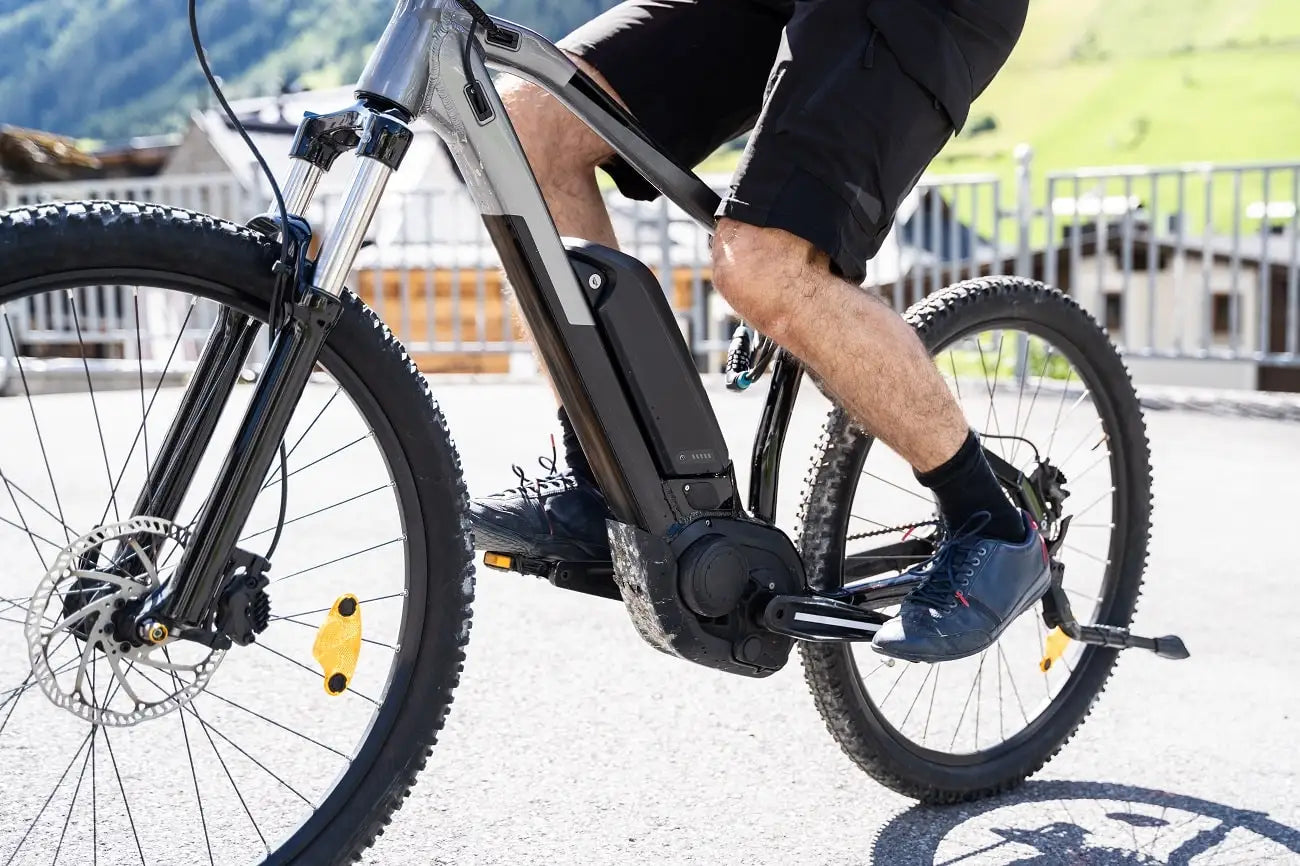
Before diving into lifespan, it’s important to understand what an e-bike battery is. Most e-bikes use a rechargeable lithium-ion battery. These batteries store electrical energy, which powers the motor when you pedal or use the throttle. The battery is one of the most expensive and important parts of an e-bike.
There are several common types of e-bike batteries:
- Lithium-ion (Li-ion): Most popular, long-lasting, and lightweight.
- Lithium Polymer (LiPo): Similar to Li-ion, but can be made in different shapes.
- Nickel Metal Hydride (NiMH): Older, heavier, and less common now.
- Lead Acid: Very cheap but heavy, short lifespan, and almost obsolete in modern e-bikes.
The battery capacity is measured in watt-hours (Wh). For example, a 500Wh battery can deliver 500 watts for one hour, or 250 watts for two hours.
Typical Lifespan Of E-bike Batteries
E-bike battery lifespan is measured in two main ways:
- Charge cycles: One full discharge and recharge of the battery.
- Years of use: How many years the battery works before losing too much capacity.
Most quality lithium-ion batteries last between 500 to 1,000 charge cycles. For most riders, this equals 3 to 5 years of regular use. After this, the battery may still work, but its range and power will be lower.
Example Data From Manufacturers
To give you a clear picture, here is a comparison of typical battery lifespans from popular e-bike brands:
| Brand | Battery Type | Expected Charge Cycles | Estimated Years |
|---|---|---|---|
| Bosch | Lithium-ion | 500–700 | 3–5 |
| Yamaha | Lithium-ion | 700–1,000 | 4–6 |
| Shimano | Lithium-ion | 1,000 | 5–6 |
Keep in mind these numbers are under ideal conditions—real-world results may vary.

Credit: teswaybike.com
What Affects E-bike Battery Lifespan?
Many factors can increase or decrease how long your battery will last. Some are under your control, while others are not.
1. Battery Quality
The quality of the cells inside your battery pack makes a big difference. Well-known brands like Samsung, Panasonic, and LG usually last longer and are safer.
2. Battery Capacity
A higher-capacity battery (measured in Wh) is not only about going farther per charge. It also means each cycle drains the battery less, which can increase the overall lifespan.
3. Usage Patterns
How you use your e-bike matters:
- Frequent full discharges (riding until the battery is empty) can shorten life.
- Regular short trips with partial recharges are better.
- High speeds, heavy loads, and steep hills use more power and stress the battery.
4. Charging Habits
- Overcharging or leaving the battery on the charger after it is full can cause stress.
- Using the correct charger is essential. Cheap or wrong chargers can damage the battery.
- Charging in very hot or cold conditions can reduce battery health.
5. Storage Conditions
Batteries last longer when stored in a cool, dry place. High temperatures speed up aging. Storing a battery empty or fully charged for long periods is harmful—about 50-70% charge is best for storage.
6. Maintenance
Keeping connectors clean, inspecting for damage, and following the manufacturer’s instructions all help.
How To Make Your E-bike Battery Last Longer
If you want to get the most life from your battery, follow these proven tips:
- Avoid extreme temperatures. Store and charge your battery between 10°C and 25°C (50°F to 77°F) when possible.
- Don’t fully discharge often. Try to keep the battery above 20% charge.
- Use the original charger. Chargers are designed for your battery’s needs.
- Don’t leave the battery on the bike if not used for weeks. Remove and store it at half charge.
- Keep it clean and dry. Moisture can damage electronics.
- Check for firmware updates. Some smart batteries have software that can improve performance.
- Use pedal-assist instead of full throttle. Pedal-assist mode uses less power than throttle-only riding.
A non-obvious tip: if you only ride short distances, don’t always top up the battery to 100%. Charging to 80–90% can slow down battery aging.

Credit: www.youtube.com
Real-world Example: Battery Degradation Over Time
Let’s look at a typical scenario. Imagine you own an e-bike with a 500Wh battery. You ride about 30 km (18 miles) per charge and recharge the battery 150 times per year. After three years (about 450 cycles), you may notice you can only go 24–25 km per charge.
That’s a sign the battery has lost about 15–20% of its original capacity.
Here’s a simple comparison of battery range over time:
| Year | Battery Capacity (%) | Typical Range (km) |
|---|---|---|
| 1 | 100 | 30 |
| 2 | 90 | 27 |
| 3 | 85 | 25.5 |
| 4 | 75 | 22.5 |
| 5 | 65 | 19.5 |
This shows that battery loss is slow but steady. It’s normal for batteries to lose some power each year.
Signs Your E-bike Battery Is Wearing Out
No battery lasts forever. Here are common signs that your e-bike battery is reaching the end of its life:
- Noticeably reduced range. You can’t ride as far as you used to on a full charge.
- Slower charging times or the battery gets hot during charging.
- Battery doesn’t hold charge. It drains quickly, even when not in use.
- Errors from the bike’s display or warning lights.
- Physical swelling or damage to the battery case.
If you see these signs, it may be time to consider a replacement.
When Should You Replace Your E-bike Battery?
You don’t need to replace the battery at the first sign of aging. But if the range is too short for your needs or if there are safety concerns (like swelling or overheating), replacement is wise.
Here are some things to consider:
- Replacement cost: A new battery can cost from $300 to $800 depending on brand and size.
- Compatibility: Always buy a battery that matches your e-bike’s system.
- Recycling: Never throw old batteries in the trash. Many bike shops and recycling centers accept them.
A mistake some riders make is buying cheap, third-party batteries. These can sometimes damage your bike or even be dangerous. Stick with trusted brands.
How Usage Habits Impact Battery Life
Not all riding is equal. Here’s how different habits affect battery life:
- Commuting: Frequent, moderate rides are easier on the battery.
- Heavy off-road use: Fast acceleration, hills, and rough terrain use more power.
- Long-term storage: If you store your e-bike for winter, charge the battery to about 60% and check it every few months.
Interestingly, many beginners forget that carrying extra weight (like heavy bags or child seats) makes the motor—and battery—work harder. This can reduce both range and lifespan.
Comparing E-bike Battery Lifespans To Other Devices
To put things in perspective, here’s a comparison with other common lithium-ion devices:
| Device | Typical Charge Cycles | Average Years of Use |
|---|---|---|
| E-bike battery | 500–1,000 | 3–5 |
| Smartphone | 300–500 | 2–3 |
| Laptop | 500–1,000 | 3–5 |
| Electric car | 1,000–2,000 | 8–10 |
E-bike batteries last longer than phone batteries but not as long as electric car batteries, which are built for thousands of cycles.
The Future Of E-bike Batteries
Battery technology is improving every year. New chemistries like solid-state batteries and better battery management systems will make future e-bike batteries last even longer and be safer. Some manufacturers are already offering batteries with over 1,000 cycles.
If you want to read more about lithium-ion batteries and their lifespan, check out this Wikipedia article.
Credit: rydybikes.com
Frequently Asked Questions
How Many Years Does An E-bike Battery Usually Last?
Most e-bike batteries last 3 to 5 years with normal use. High-quality batteries and careful charging can sometimes last longer.
Can I Make My E-bike Battery Last Longer?
Yes. Store it in a cool, dry place, avoid full discharges, charge with the original charger, and use pedal-assist modes to reduce stress on the battery.
How Do I Know If My Battery Is Failing?
Watch for reduced range, fast draining, slow charging, error messages, or physical changes like swelling. These are signs the battery is wearing out.
Is It Safe To Buy A Third-party Replacement Battery?
It’s best to buy batteries from trusted brands or your e-bike’s manufacturer. Cheap or fake batteries can be dangerous and damage your bike.
What Should I Do With My Old E-bike Battery?
Recycle it at a bike shop or battery recycling center. Do not throw it in the trash, as lithium-ion batteries can be hazardous.
The battery is the heart of your e-bike. With smart habits and good care, you can enjoy years of reliable performance. When it’s time for a new battery, invest in quality—it will pay off in safety and peace of mind.