Cycling is a passion for many and a daily necessity for others. Whether you ride for fun, commute to work, or train for long-distance events, one thing remains true: the bike chain is at the heart of every ride. Yet, many riders find themselves wondering, “How long does a bike chain last?” The answer is not simple, as it depends on multiple factors—usage, care, and even the kind of bike you ride. Understanding chain wear and life expectancy is crucial if you want smooth shifting and to avoid costly repairs down the road.
In this article, we’ll dig deep into how long a bike chain lasts, what affects its lifespan, how to check for wear, and how you can make yours last longer. If you want reliable performance and to protect your bike’s drivetrain, this guide gives you the facts, practical advice, and answers to questions most beginners miss.
What Determines Bike Chain Lifespan?
A chain is not a single piece of metal—it’s a collection of links, pins, and rollers working together. Over time, these parts stretch, wear, and become less efficient. But how long can you expect your chain to last? Here are the main factors:
- Distance Ridden: Most chains last between 2,000 and 5,000 kilometers (1,200 to 3,000 miles). Heavier riders, hilly terrain, and lots of gear shifting can bring that number down.
- Riding Conditions: Wet, muddy, and sandy environments speed up chain wear. Dry, clean roads are much easier on your chain.
- Maintenance Habits: Cleaning and lubricating your chain regularly can nearly double its life.
- Chain Quality: Higher-quality chains use stronger materials and better coatings, resisting wear and corrosion.
- Riding Style: Powerful riders, or those who shift under heavy load, put more stress on the chain.
Let’s see how these factors work together:
| Factor | Shortens Chain Life | Extends Chain Life |
|---|---|---|
| Distance Ridden | High mileage | Low mileage |
| Conditions | Rain, mud, dust | Dry, clean roads |
| Maintenance | Rarely cleaned | Regular cleaning & oil |
| Chain Quality | Cheap steel, no coating | Hardened steel, special coatings |
| Riding Style | Hard shifting, heavy load | Smooth shifting, moderate load |
Typical Lifespan By Bike Type
Different bikes, different chains, different lifespans. Here’s what you can expect:
Road Bikes
Road bike chains generally last longer—between 3,000 and 5,000 kilometers—if well maintained. Smooth surfaces, less dirt, and lighter loads help extend their life.
Mountain Bikes
Mountain bike chains face a tougher life. Mud, water, frequent shifting, and higher torque can cut lifespan to 1,500 to 3,000 kilometers. Regular cleaning is essential.
E-bikes
E-bike chains handle more force because of the motor. Expect a range of 1,000 to 3,000 kilometers. Some new e-bike chains are built stronger, but they still wear faster than regular bike chains.
Single-speed And City Bikes
With less shifting and lower stress, single-speed and city bike chains can easily reach 5,000 to 8,000 kilometers if cared for.
Here’s a comparison:
| Bike Type | Typical Chain Lifespan (km) | Special Notes |
|---|---|---|
| Road Bike | 3,000–5,000 | Longer life with smooth roads |
| Mountain Bike | 1,500–3,000 | Dirt and mud cause fast wear |
| E-Bike | 1,000–3,000 | Extra motor force reduces lifespan |
| Single-Speed/City | 5,000–8,000 | Less stress, longer chain life |
Credit: www.pinkbike.com
Signs Your Bike Chain Needs Replacing
Chains rarely break without warning. Here’s how to tell if yours is near the end:
- Chain Stretch: Over time, the pins and rollers wear, causing the chain to “stretch.” This isn’t true stretching—just wear that increases length. If the chain stretches too much, it will damage your cassette and chainrings.
- Skipping Gears: If your chain slips when you pedal hard or skips under load, it’s a clear warning.
- Visible Rust or Stiff Links: Rusty, stiff, or frozen links mean the chain’s life is nearly over.
- Noise: Squeaking, grinding, or clicking sounds when you pedal often signal a worn chain.
- Poor Shifting: If gears won’t shift smoothly, and you’ve already checked adjustments, the chain is often the problem.
How To Check Chain Wear
Measuring chain wear is simple and can save you from expensive repairs. There are two main ways:
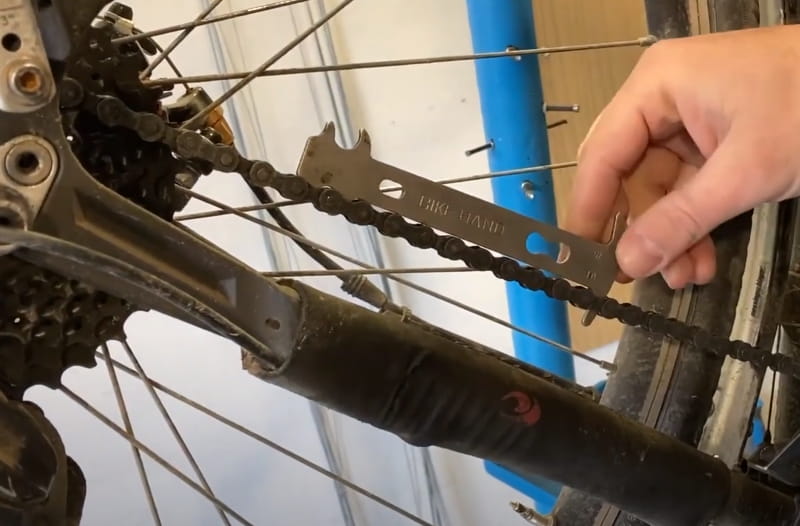
Using A Chain Checker Tool
A chain checker (also called a wear indicator) is a small, cheap tool that shows how much your chain has stretched.
- Insert the tool into the chain.
- If the 0.5% end drops in, the chain is slightly worn.
- If the 0.75% or 1.0% end fits, it’s time to replace the chain.
For 10, 11, and 12-speed chains, replace at 0.5% to 0.75% wear. For 8 or 9-speed chains, replace by 0.75% to 1.0%.
Ruler Method
If you don’t have a tool, use a ruler:
- Line up the “0” mark with the center of one pin.
- Count 12 full links (should measure exactly 12 inches).
- If it measures over 12 1/16 inches, the chain is worn. Over 12 1/8 inches, replace immediately.
Workshop Insight
Many new cyclists miss this: Don’t wait for the chain to break or skip before replacing. By then, your cassette and chainrings may also need replacement—costing far more than a chain swap.
How To Make Your Chain Last Longer
You can’t avoid chain wear, but you can slow it down. Here’s how:
- Clean Regularly: Wipe the chain with a rag after every ride, especially after wet or dirty rides.
- Lubricate Properly: Lubricate every 100–200 kilometers, or after riding in rain. Use the right lube for your conditions—wet lube for rain, dry lube for dust.
- Avoid Cross-Chaining: Don’t use the extreme gear combos (big ring/big cog or small ring/small cog). This bends the chain and wears it out faster.
- Shift Smoothly: Don’t shift under high load—ease off a bit while shifting.
- Inspect Often: Check for wear at least once a month, or every 500 km if you ride a lot.
- Replace Cassette When Needed: If you replace a very worn chain but keep an old cassette, the new chain may slip and wear out quickly.
Here’s a summary of smart habits:
| Habit | Effect on Chain Life |
|---|---|
| Clean after wet rides | Removes grit, prevents rust |
| Use correct lubricant | Reduces friction and wear |
| Avoid cross-chaining | Prevents unnecessary stress |
| Regular inspections | Finds problems before they get expensive |
When To Replace Your Chain
Many riders wait too long to replace their chain, thinking they’re saving money. But a worn chain destroys the cassette and chainrings—much more expensive to replace.
Replace your chain:
- When a chain checker reads 0.75% wear (for 10+ speed chains) or 1.0% (for 8/9-speed)
- If you notice skipping, poor shifting, or visible damage
- At 2,000–5,000 kilometers for most bikes (less for mountain/e-bike, more for city/single-speed, as above)
Insider tip: Keep a simple log of your chain’s distance. Mark your calendar or use your phone—it’s easy to forget how many kilometers you’ve ridden!
Common Mistakes That Shorten Chain Life
Even experienced cyclists sometimes make these errors:
- Using Too Much Lube: Extra lube collects dirt, which grinds away at the chain. Wipe off the excess after applying.
- Ignoring Rain or Mud: Riding in the rain or mud and not cleaning the chain afterward dramatically reduces lifespan.
- Forgetting to Inspect: Chains can look fine but be badly stretched. Trust your tools, not just your eyes.
- Mixing Components: Don’t use a chain meant for 8-speed bikes on a 10-speed drivetrain—it won’t fit properly and will wear out fast.
- Re-using Master Links: Some master links are single-use. Reusing them can cause failure.
The Real Cost Of Delaying Chain Replacement
A chain costs far less than a cassette or chainring. For example:
- A mid-range chain: $20–$40
- A cassette: $50–$100
- A chainring: $30–$100 each
Replace the chain on time and your cassette may last for several chains. Wait too long, and you’ll be forced to replace everything at once.

Credit: www.youtube.com
Chain Quality: Does It Matter?
Yes. Not all chains are equal. High-quality chains use better alloys, hardening, and surface treatments. This means:
- More resistance to rust and corrosion
- Smoother shifting
- Longer life, especially in tough conditions
Brands like Shimano, SRAM, and KMC have premium models with special coatings (like nickel or titanium nitride) that can add hundreds of kilometers to the lifespan. However, even the best chain wears out if not cleaned or lubricated.
A Note About E-bike Chains
E-bikes put extra stress on chains. If you ride an e-bike, look for chains designed for higher torque. These often have stronger pins and better treatment. Still, expect to replace chains more often due to the added power.
Recycling And Disposal
A worn chain shouldn’t go in the normal trash. Many bike shops collect old chains for recycling. Some creative cyclists even use old chains for art or tools. Check local recycling programs or ask your shop for advice.
Practical Example: Real-world Chain Life
Consider two riders:
- Anna rides 100 km per week, mainly on dry roads. She cleans and oils her chain monthly. Her chain lasts 4,500 km.
- Ben rides mountain trails, often in mud, and rarely cleans his chain. His chain lasts just 1,800 km.
This shows how care and conditions can more than double chain life.
Credit: bike.bikegremlin.com
Summary: Key Takeaways
- Most chains last 2,000–5,000 km. Mountain/e-bike chains wear faster; city bikes last longer.
- Clean, lubricate, and check your chain regularly.
- Use a chain checker tool or ruler to measure wear.
- Replace the chain before it damages other drivetrain parts.
- Invest in quality chains if you ride often or in tough conditions.
For more on chain wear and maintenance, see this excellent Wikipedia article.
Frequently Asked Questions
How Can I Tell If My Bike Chain Is Too Old?
Check for chain stretch with a chain checker or ruler. If your chain skips, shifts poorly, or shows rust and stiff links, it’s probably time for a new one.
Is It Safe To Keep Riding With A Worn Chain?
No. A worn chain will wear out your cassette and chainrings quickly. It can also snap under heavy load, causing crashes.
Does Chain Lube Type Really Matter?
Yes. Wet lube is best for rainy or muddy conditions; dry lube is better for dust and dry roads. The right lube reduces friction and wear.
Can I Replace The Chain Myself?
Most riders can replace a chain with basic tools. You’ll need a chain tool or quick-link pliers and the correct replacement chain. Always size the new chain correctly.
How Often Should I Check My Chain For Wear?
Inspect your chain every 500 km or once a month, whichever comes first. More frequent checks are wise if you ride in bad weather or off-road.
A well-cared-for chain gives you smoother rides, saves money, and keeps your bike performing at its best. Treat your chain as a key part of your bike—not just a spare part—and you’ll enjoy many trouble-free miles.