How Long Does An E Bike Battery Last
Electric bikes, or e-bikes, have become a popular way to get around cities and enjoy the outdoors. But one question often comes up: How long does an e bike battery last? People want to know if their investment will pay off, and if the battery will survive years of use. The reality is, there’s no one-size-fits-all answer. Battery lifespan depends on many factors, from how you ride to the battery technology itself.
Whether you’re thinking about buying your first e-bike or you already own one, understanding e-bike battery life can save you money and trouble. In this article, you’ll learn what affects battery lifespan, how to make your battery last longer, and what to expect as your battery ages.
There are also some common misconceptions that lead to disappointment—these will be cleared up too.
What Does E-bike Battery Life Mean?
Before going further, it’s important to understand two different things people mean by “battery life”:
- Range per charge: How far you can go on a single battery charge (for example, 40 km).
- Overall lifespan: How many months or years the battery works well before it needs replacement.
This article focuses mainly on the overall lifespan, but you’ll also see how range changes as a battery gets older.
Types Of E-bike Batteries
Most modern e-bikes use one of three main battery types:
- Lithium-ion (Li-ion): The most common, light, and long-lasting.
- Nickel-metal hydride (NiMH): Rare in new e-bikes, less efficient than Li-ion.
- Lead-acid: Heavy and cheap, but very uncommon now.
The type of battery matters. Lithium-ion batteries dominate the market for good reasons: they last longer, charge faster, and are lighter than other types. Almost all advice in this article is about lithium-ion batteries.
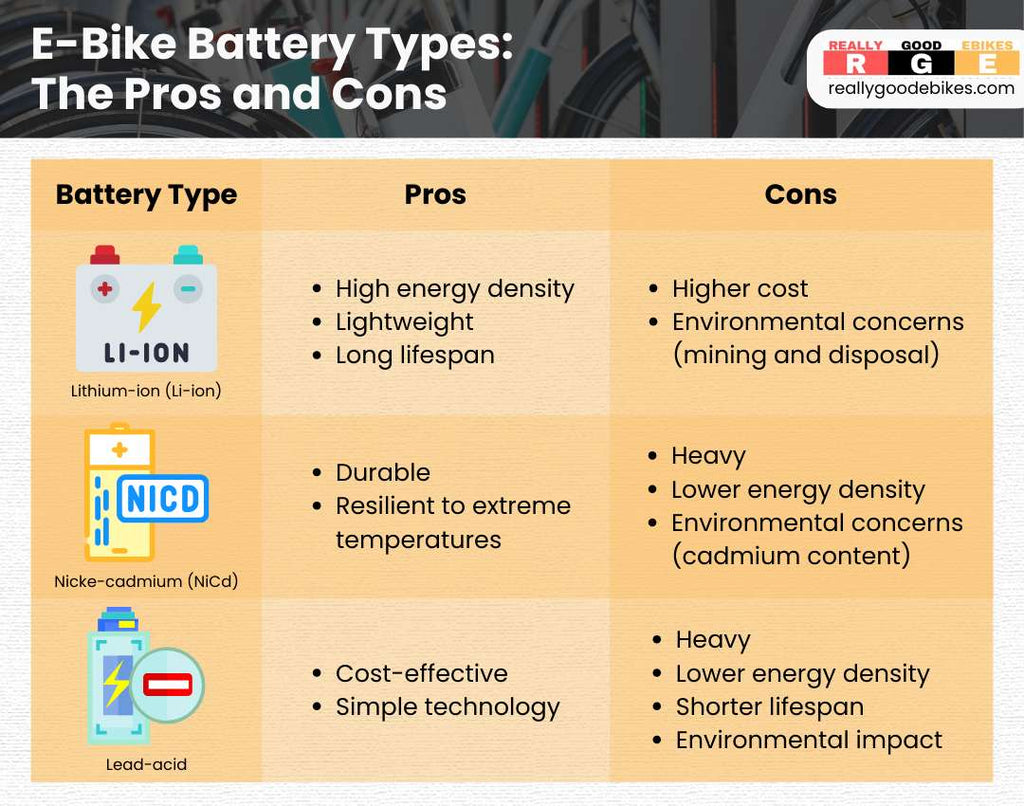
Credit: reallygoodebikes.com
Average Lifespan Of E-bike Batteries
Most e-bike batteries last between 2 to 5 years, but this is a wide range. Why? Because usage and care make a huge difference. A typical lithium-ion battery can handle 500 to 1000 full charge cycles before its capacity drops to about 70-80% of its original value.
So, if you fully charge and discharge your battery every day, you might reach 500 cycles in less than two years. But most riders charge less frequently, so their battery lasts longer.
Here’s a quick look at how charge cycles relate to years of use:
| Charge Cycles | Rides Per Week | Expected Lifespan |
|---|---|---|
| 500 | 5 | ~2 years |
| 700 | 3 | ~4 years |
| 1000 | 2 | ~6 years |
Non-obvious insight: Most people don’t realize that shallow charges (charging from 40% to 80%, for example) count as only part of a cycle. This means your battery can last longer if you avoid always charging from 0% to 100%.
Factors That Affect E-bike Battery Lifespan
Many things change how long your battery will last. Here are the most important factors:
1. Charging Habits
- Partial charging is better than always doing full charges.
- Overcharging (leaving the battery plugged in for days) can slowly damage the cells.
- Using the original charger helps avoid problems.
2. Temperature
- High heat (over 35°C) can break down battery chemistry.
- Extreme cold (below 0°C) reduces battery performance and, if regular, can shorten lifespan.
3. Storage Conditions
- Store batteries at room temperature and about 50-70% charge if you won’t use them for a while.
- Never store a battery empty for months.
4. How You Ride
- Frequent heavy acceleration and riding at top speed use more power and cause faster wear.
- Riding on hills or carrying heavy loads also puts more stress on the battery.
5. Quality Of The Battery
- Brand-name cells (like Samsung or Panasonic) last longer than cheap, no-name ones.
- The quality of the battery management system (BMS) is also important—it keeps the cells balanced and safe.
6. Maintenance And Care
- Keeping contacts clean, checking for loose wires, and updating firmware (if available) all matter.
Non-obvious insight: Many riders damage their batteries by washing their e-bikes with a hose or leaving them out in the rain. Water can cause hidden corrosion and shorten battery life.
Signs Your E-bike Battery Is Aging
How do you know when your battery is near the end of its useful life? Here are some signs:
- Reduced range: You can’t ride as far as before on a full charge.
- Longer charging time: The battery takes longer to reach 100%.
- Battery gets hot: Heating up during charge or ride is a warning sign.
- Sudden drops in power: The bike shuts off or loses power quickly.
Most batteries fade slowly. If you notice these changes, plan for a replacement.
Comparing Battery Capacity And Range
Not all e-bike batteries are the same size. The main measure is watt-hours (Wh). More Wh means more stored energy and usually, a longer range.
Here’s a comparison of common battery sizes and their typical range:
| Battery Capacity (Wh) | Estimated Range (km) | Notes |
|---|---|---|
| 250 Wh | 25 – 45 | Light city use |
| 400 Wh | 40 – 70 | Mixed use |
| 500 Wh | 50 – 90 | Popular size |
| 700 Wh | 70 – 120 | Long-distance |
Tip: Range depends on terrain, rider weight, wind, and how much you use pedal assist. As batteries age, the range drops by about 10-20% after a few years.
How To Make Your E-bike Battery Last Longer
With the right habits, you can get more years and distance from your battery. Here’s how:
- Avoid full discharges: Try not to let the battery drop below 20%.
- Don’t always charge to 100%: Charging to 80-90% is easier on the cells for daily use.
- Keep it cool: After a ride, let the battery cool down before charging.
- Use the correct charger: Only use the charger that came with your e-bike.
- Store it partially charged: For long-term storage, leave it at 50-70%.
- Ride smart: Use lower power modes when possible.
- Clean carefully: Wipe the battery with a damp cloth—never spray water directly.
- Update your firmware: Some e-bikes allow software updates for better battery management.
Pro tip: If you plan to store your bike for winter, check the battery’s charge every two months and top it up as needed.
Real-world Battery Lifespan Examples
E-bike riders’ experiences can give a clear picture. Here are a few real-world cases:
- A commuter riding 10 km daily with a 500 Wh battery, charging every two days, often gets 4-5 years before noticing a real drop in range.
- Riders who use fast chargers or ride in hot climates often see batteries drop below 70% capacity in just 2-3 years.
- A mountain biker using high power modes on steep trails may get only 2 years of full performance.
Key takeaway: Your battery’s real lifespan depends much more on usage and care than on the year printed on the box.
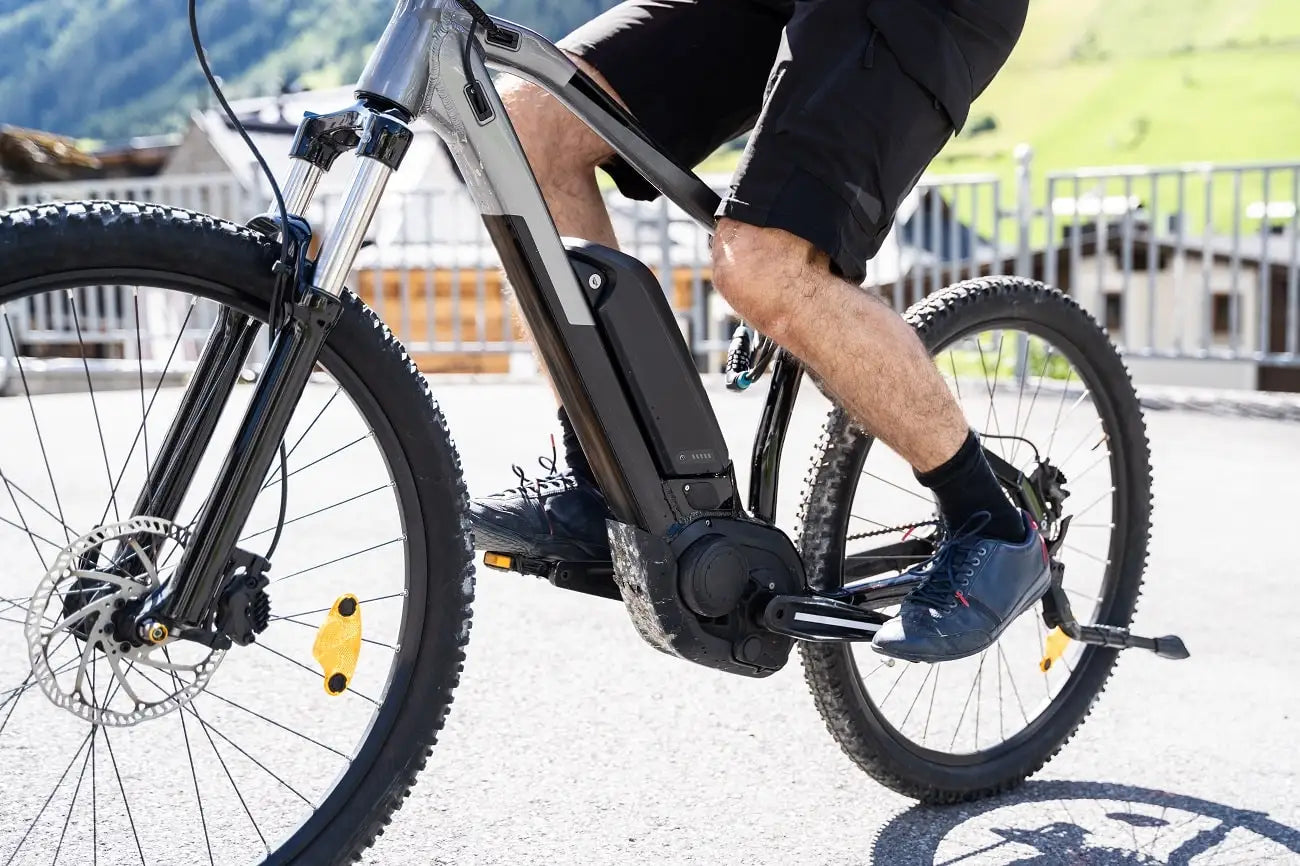
Credit: rydybikes.com
Cost Of Battery Replacement
Replacing an e-bike battery can be expensive. Prices vary by capacity and brand:
- Small (250-400 Wh): $250 – $400
- Medium (500 Wh): $400 – $600
- Large (700 Wh+): $600 – $900
Buying a high-quality battery is worth it—cheap replacements often have low capacity and safety risks.
Recycling And Safe Disposal
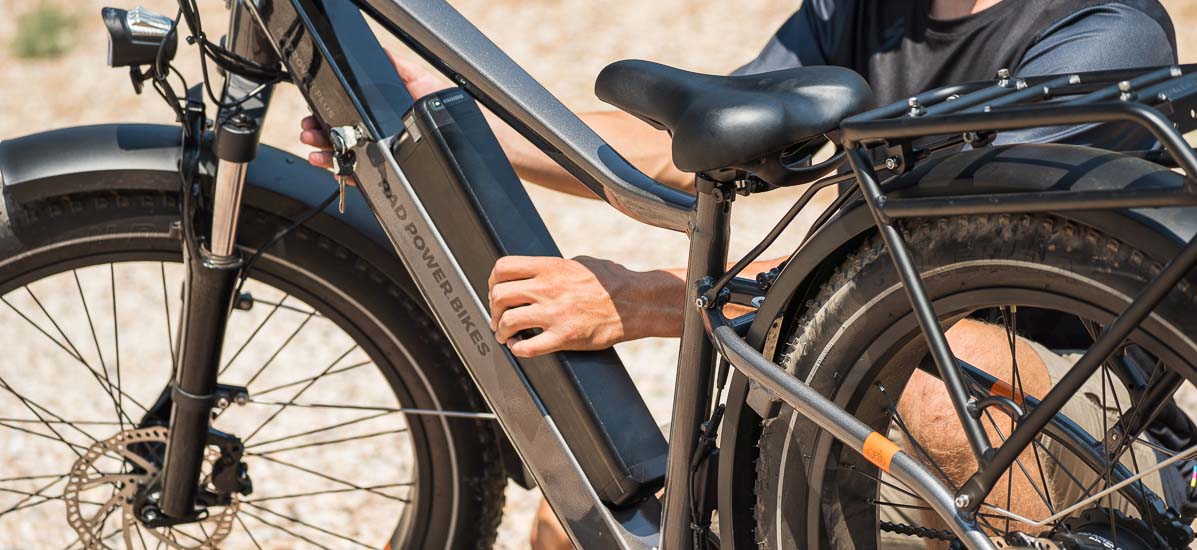
Never throw an old e-bike battery in the trash. Most are considered hazardous waste. Many bike shops and battery retailers offer recycling programs. Some cities have special collection days for lithium batteries.
For more on safe battery disposal, see this Wikipedia page on battery recycling.
Credit: electricbikereport.com
Common Myths About E-bike Battery Life
Many beginners believe things that aren’t true about batteries. Here are some myths and the truth:
- Myth: You must always fully charge and discharge the battery.
- Fact: Partial charges are actually better for lithium-ion batteries.
- Myth: Cold weather kills batteries.
- Fact: Cold reduces performance temporarily, but the main danger is charging a frozen battery.
- Myth: All e-bike batteries are the same.
- Fact: Quality and capacity vary a lot between brands and models.
Table: E-bike Battery Care Do’s And Don’ts
A quick summary of best practices:
| Do | Don’t |
|---|---|
| Charge at room temperature | Charge when battery is hot |
| Store at 50-70% charge | Store fully empty or full for months |
| Use the original charger | Use cheap, unapproved chargers |
| Check for firmware updates | Ignore software updates |
| Clean battery with a cloth | Spray water on battery |
Frequently Asked Questions
How Long Does An E Bike Battery Last Per Charge?
Most e-bike batteries last between 25 to 100 km per charge, depending on the battery size, terrain, and power mode. Over time, this range drops as the battery ages. A typical 500 Wh battery offers about 60-80 km for mixed city riding.
Can I Replace An E Bike Battery Myself?
In many cases, yes. Most e-bike batteries are designed to be removed and replaced easily. However, always buy a compatible battery from a trusted brand, and follow the manufacturer’s instructions. For built-in batteries or high-end e-bikes, consider professional installation.
How Do I Know If My E Bike Battery Is Bad?
If your battery doesn’t hold a charge, the range drops sharply, or the bike turns off suddenly, your battery may be failing. Other signs include swelling, overheating, or error messages on the display. If unsure, have a technician test your battery.
Is It Safe To Charge My E Bike Battery Overnight?
Generally, yes—modern batteries have safety circuits to prevent overcharging. However, unplugging after a full charge is safer for long-term battery health. Avoid charging overnight if you use a non-original charger or if your battery is already old.
Can I Use A Different Charger For My E Bike Battery?
No. Always use the charger that came with your e-bike or a manufacturer-approved replacement. Using the wrong charger can damage your battery or create safety risks.
E-bike batteries are complex, but with the right care, they can last for years and thousands of kilometers. Making smart choices and understanding what affects battery health will keep your e-bike rolling further, saving money and frustration in the long run.