Finding the right fit for a bike jersey can make your ride smoother, cooler, and more comfortable. If you’ve ever felt restricted, sweaty, or just awkward in your cycling kit, chances are your jersey wasn’t fitting quite right. The truth is, a bike jersey is not just a T-shirt with a zipper. It’s designed for a very specific purpose: to support your body on a bike, reduce wind resistance, and manage sweat. But how should a bike jersey fit? Let’s break it down so you can pedal with confidence and comfort, whether you’re riding to work or racing up a mountain pass.
Why Fit Matters For A Bike Jersey
A bike jersey that fits well feels almost invisible when you ride. It doesn’t flap in the wind, doesn’t dig into your skin, and doesn’t hold sweat against your body. The wrong fit, however, can cause chafing, slow you down, or even ruin your ride.
Fit is not just about comfort; it’s also about performance and safety. For example, extra fabric can catch the wind and tire you out faster. A jersey that rides up can expose your lower back to sunburn or cold air. Meanwhile, overly tight sleeves can restrict movement and cut off circulation. Getting the fit right makes a huge difference in how you feel and perform.
Key Features Of A Well-fitting Bike Jersey
So, what does a good fit actually look like? Here are the main things to check:
- Snug but not tight: The jersey should hug your body, but not squeeze you. It should touch your skin without pinching or leaving marks.
- Longer back (drop tail): The back should be longer than the front. This covers your lower back when you lean forward.
- Flat seams: Good jerseys have smooth seams that don’t rub against your skin.
- Sleeves end mid-bicep: Short-sleeve jerseys should stop around the middle of your upper arm, not at your shoulder or elbow.
- No flapping fabric: When you stand upright, the jersey might feel a little odd. But in your riding position, it should lie flat and not form “wings” in the wind.
Types Of Bike Jersey Fits
Not all jerseys fit the same way. Brands often use different terms, and it can be confusing. Let’s look at the three main types:
| Fit Type | Description | Best For |
|---|---|---|
| Race Fit | Very close to the body, aerodynamic, minimal extra fabric | Competitive riding, racing, time trials |
| Club Fit | Snug but more relaxed, some room for comfort | Enthusiasts, long rides, group rides |
| Relaxed Fit | Loose, more like a casual T-shirt | Commuting, recreational cycling, casual use |
A race fit will feel almost like a second skin. A club fit offers a balance between tightness and comfort, while a relaxed fit is great if you’re not racing the clock. It’s important to know which style you prefer before choosing your size.
How To Try On A Bike Jersey
Trying on a bike jersey is a bit different from regular clothes. Here’s a step-by-step way to test the fit:
- Put on your cycling shorts (if possible). Jerseys are designed to work with padded shorts.
- Zip up the jersey fully. This is how it’s supposed to fit on the road.
- Get in a riding position. Bend forward as if you’re holding handlebars. The jersey should feel comfortable in this position.
- Check the back. It should cover your lower back, even when you lean forward.
- Move your arms. Reach forward, side to side, and overhead. The sleeves and shoulders should move with you, not pull.
- Look at the front. It may look short when standing, but shouldn’t ride up when you bend over.
A common mistake is to judge the fit while standing upright. Remember, cycling clothes are designed for the riding position.

Credit: www.youtube.com
Sizing Differences Between Brands
Cycling brands don’t always use the same sizing. A medium in one brand might feel like a large in another. European brands tend to run smaller than American brands. Always check the size chart for the brand you’re buying.
Here’s a quick example of how sizing can differ:
| Brand | Medium Chest (inches) | Large Chest (inches) |
|---|---|---|
| Castelli (Italy) | 37-38 | 39-40 |
| Pearl Izumi (USA) | 38-40 | 41-43 |
| Rapha (UK) | 37-39 | 39-41 |
If you’re in between sizes, it’s usually safer to go up a size, especially if you want a more relaxed fit or plan to wear a base layer.
Common Fit Problems And How To Fix Them
Even experienced riders sometimes struggle with jersey fit. Here are the most common issues and solutions:
- Jersey rides up: This usually means the jersey is too short or too loose at the bottom. Look for a longer cut or a silicon gripper at the hem.
- Tight in the chest, loose in the waist: Some people have a bigger chest or broader shoulders. Try a different brand, or look for “athletic cut” jerseys.
- Loose sleeves: If the sleeves flap in the wind, the jersey is too big or the style isn’t right for your arms. Some brands offer “aero sleeves” that fit closer.
- Baggy fabric at the stomach: This can be caused by a relaxed cut or by sizing up too much. Try a more fitted style.
- Zipper irritation: Some jerseys have backing behind the zipper to avoid chafing. If not, wear a thin base layer.
If you’re shopping online, read reviews and look for comments about fit. Real riders often mention if a jersey runs small or large.

Credit: www.laborkreis.de
Women’s Vs. Men’s Jersey Fit
Women’s jerseys are not just smaller versions of men’s. The cut is different in key ways:
- Shorter torso: Women’s jerseys are often shorter, to fit a different body shape.
- Narrower shoulders: Less fabric at the top, more room at the hips.
- Different pocket placement: To make it easier to reach while riding.
If you have a smaller frame, a women’s jersey may fit better—even for some men. Don’t be afraid to try both and see what feels best.
Material And Stretch: Why It Matters
Modern bike jerseys use synthetic fabrics like polyester, Lycra, or blends. These materials wick sweat away from your skin and dry fast. But not all jerseys stretch the same way.
- High-stretch fabrics: Allow for a closer fit without feeling tight.
- Low-stretch fabrics: May need to be a bit looser, or they’ll restrict movement.
If you prefer a snug fit, choose a jersey with more elastane or spandex. For a relaxed fit, a simple polyester fabric works well.
Climate And Layering: Adjusting Your Fit
Where and when you ride affects how your jersey should fit. In hot weather, you want a light, close-fitting jersey to manage sweat. In cold weather, you might wear a base layer or even a jacket on top.
Tips for layering:
- Summer riding: Choose a lightweight, snug jersey. Avoid extra layers.
- Cool weather: You may need a slightly looser fit to add a base layer underneath.
- Winter: Some jerseys are “thermal” and cut a bit larger to fit over other clothes.
Don’t size up too much for layering. Too loose, and you’ll lose the benefits of moisture management and aerodynamics.
Features That Affect Fit
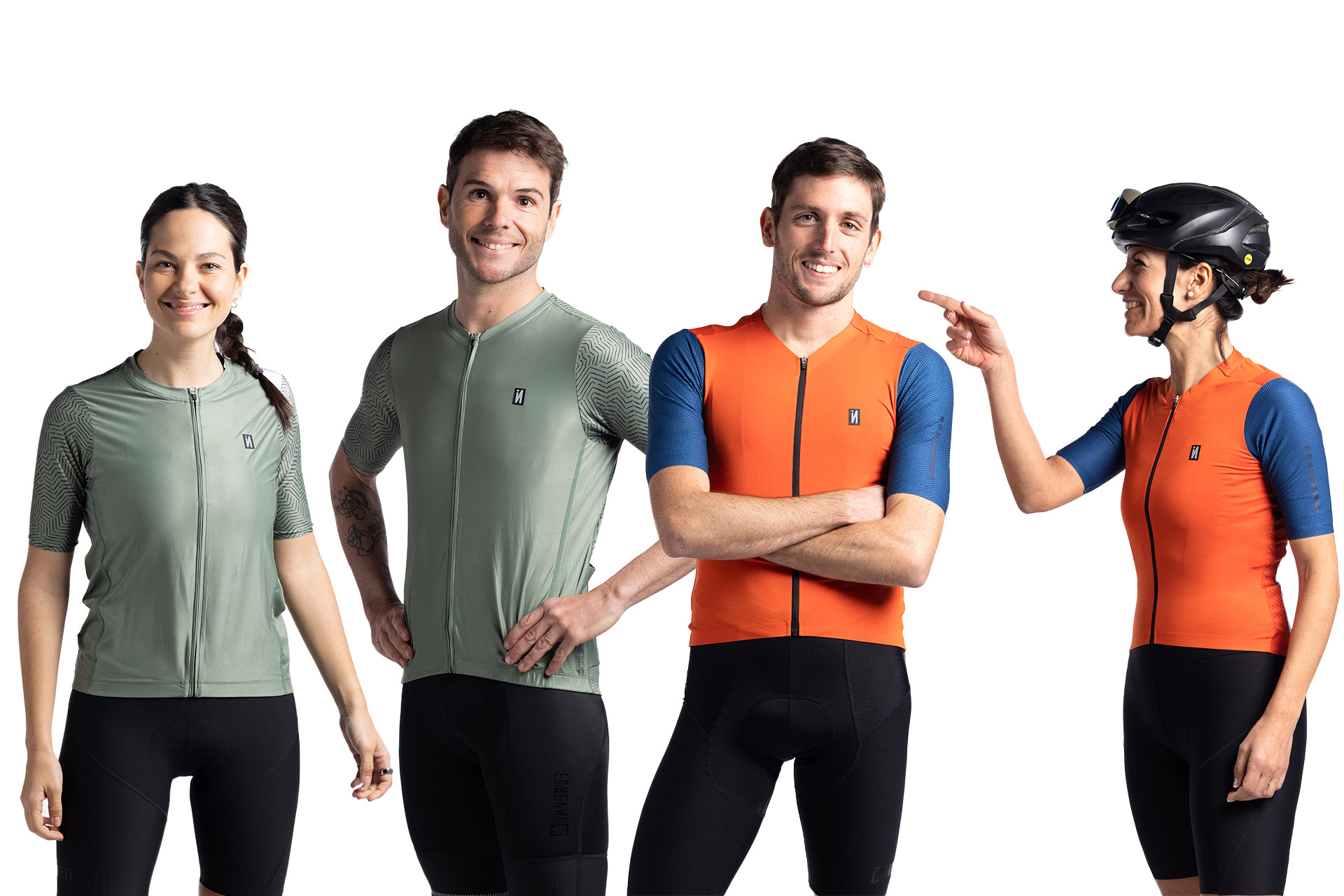
A few design features can change how a jersey fits and feels on your body:
- Full vs. half zipper: Full zippers make it easier to take the jersey on and off, and help with cooling.
- Elastic hem or grippers: These keep the jersey from riding up.
- Three rear pockets: Most jerseys have these for snacks, tools, or your phone. Make sure they don’t sag when full.
- Reflective details: For safety, especially if you ride at dawn or dusk.
Always check how the jersey fits when the pockets are loaded. A perfect fit can feel too tight if you need to carry a lot.
Credit: www.inverseteams.com
How To Measure Yourself For A Bike Jersey
If you’re buying online, you’ll need your measurements. Here’s how to do it right:
- Chest: Measure around the widest part of your chest, under your arms.
- Waist: Measure around your natural waist, not where your pants sit.
- Hips: For women’s jerseys, measure around the widest part of your hips.
- Arms: Measure around the widest part of your upper arm.
Use a flexible tape measure and keep it level. Don’t pull too tight, but don’t leave it loose, either.
When To Replace Your Bike Jersey
Even the best jersey won’t last forever. Signs it’s time for a new one:
- Fabric is stretched out and no longer fits snugly.
- Zipper doesn’t work well or is broken.
- Seams are coming apart or have holes.
- Elastic hem is loose and the jersey rides up.
A worn-out jersey can cause discomfort, chafing, and even slow you down. It’s worth replacing if it doesn’t fit like it used to.
Real-world Example: Race Day Vs. Weekend Ride
Let’s compare how a racer and a weekend rider might choose their fit:
| Racer | Weekend Rider |
|---|---|
| Chooses race fit, very tight and aerodynamic | Prefers club or relaxed fit for comfort |
| Uses high-stretch fabric, minimal pockets | Looks for more pockets, softer material |
| Wears jersey with only a thin base layer | May add a base layer or choose a looser cut |
Neither approach is right or wrong—it depends on your goals and comfort.
Two Common Insights Most Beginners Miss
- Try the jersey in your riding position, not standing: It’s easy to think a jersey is too short or too tight when standing up. Always bend forward and mimic your riding position before deciding if the fit is right.
- Pocket placement matters more than you think: If the pockets are too high, it’s hard to reach snacks or tools while riding. If they’re too low, they sag and bounce. Always check pocket placement before buying.
How Should A Bike Jersey Fit: Quick Summary
- The jersey should be snug but comfortable.
- The back should be longer than the front.
- No excess fabric should flap in the wind.
- Try jerseys on in a riding position.
- Check size charts for each brand—don’t guess your size.
- Material, climate, and layering all affect fit.
When in doubt, ask for advice at your local bike shop or from experienced cyclists. You can also check expert guides like this Cycling Weekly article for more details.
Frequently Asked Questions
How Tight Should A Bike Jersey Be?
A bike jersey should be snug but not restrictive. You should feel the fabric touching your skin, but you should be able to move your arms and breathe easily. If you see bunching or flapping, it’s too loose. If it leaves deep marks or feels hard to zip up, it’s too tight.
Can I Wear A Regular T-shirt Instead Of A Bike Jersey?
You can, but it won’t perform as well. Bike jerseys manage sweat, reduce wind resistance, and have pockets for riding essentials. A regular T-shirt can get heavy with sweat, and the seams may cause chafing on long rides.
Should I Size Up For A Looser Fit?
If you want a more relaxed fit, you can size up. However, be aware that the jersey might be longer, not just wider, and the pockets may hang lower. Sometimes a different style (club or relaxed fit) is better than just choosing a larger size.
How Should Women’s Bike Jerseys Fit Differently?
Women’s jerseys are designed for a shorter torso, narrower shoulders, and wider hips. They should still fit snugly, but the cut is different for comfort and style. Always check the brand’s sizing guide, as women’s sizes can vary more than men’s.
What If I’m Between Sizes On The Size Chart?
If you’re between sizes, think about how you’ll use the jersey. For racing or hot weather, go with the smaller size. For longer rides, layering, or comfort, choose the larger size. If possible, try both to see which feels best.
Finding the right fit takes a bit of trial and error, but once you do, every ride feels better. A well-fitting bike jersey can make you faster, more comfortable, and ready for any road ahead.