Charging the battery of your electric bike might seem simple at first. But, to do it right—and keep your battery healthy for years—you need more than just plugging in and waiting. Many new e-bike owners damage their batteries without even realizing it, simply because they skip important steps or use the wrong equipment.
This guide will help you master every detail of charging a bike battery, avoid common mistakes, and get the most out of your e-bike investment.
Understanding Your Bike Battery
Most modern e-bikes use lithium-ion batteries. These are lightweight, powerful, and have long lifespans if treated well. Some older bikes may use lead-acid or nickel-metal hydride (NiMH) batteries, but these are less common today. Always check your bike manual to know your battery type, capacity (measured in amp-hours, Ah), and voltage (V).
Why Battery Type Matters
Each battery type has different charging needs. For example, lithium-ion batteries should not be overcharged or fully drained, while lead-acid batteries can tolerate deep discharges but degrade if left partly charged for long periods.
Battery Specs Table
Here is a quick comparison of common e-bike battery types:
| Battery Type | Average Lifespan (charge cycles) | Common Voltage | Self-discharge Rate |
|---|---|---|---|
| Lithium-ion | 500-1000 | 24V, 36V, 48V | Low |
| Lead-acid | 300-500 | 24V, 36V | High |
| NiMH | 500-700 | 24V, 36V | Medium |
Knowing your battery helps you choose the right charging method and avoid damage.
Preparing To Charge
Before you start charging, take a moment to get everything ready. This helps prevent accidents and extends battery life.
1. Read The Manual
Your e-bike’s manual gives you specific charging instructions. Always start here.
2. Check The Charger
Use only the charger that came with your bike or a manufacturer-approved replacement. A mismatched charger can overheat or harm the battery.
3. Inspect The Battery
Look for cracks, swelling, leaks, or unusual smells. If you notice any, do not charge the battery—replace it or consult a professional.
4. Choose A Safe Location
Charge in a dry, cool, and ventilated place. Avoid charging near flammable materials or in direct sunlight.
5. Turn Off The Bike
Power off the e-bike before connecting the charger. This helps the battery charge safely and avoids electrical issues.
Credit: www.rei.com
Step-by-step Charging Instructions
Charging your bike battery is not just about plugging it in. Following a careful process can prevent future problems.
1. Remove Or Leave Battery In Place
Most e-bikes let you charge the battery on the bike or remove it to charge separately. Both methods are safe if done correctly, but charging off the bike can be safer in damp conditions or extreme temperatures.
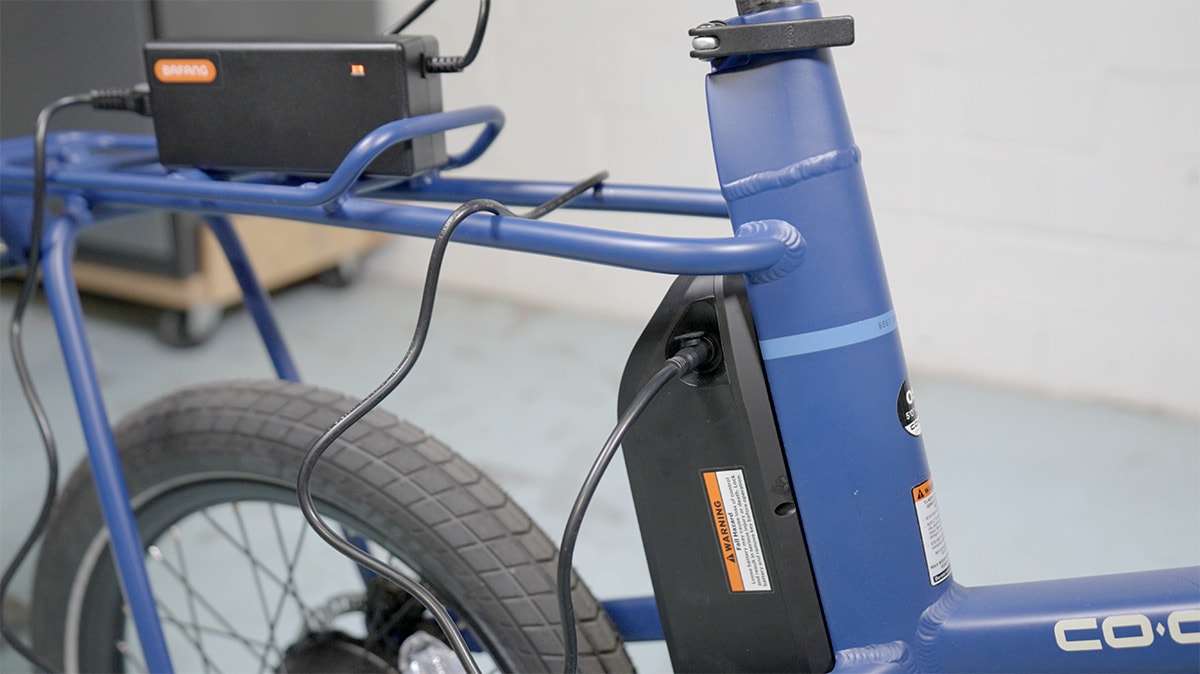
2. Connect Charger To Battery
Plug the charger into the battery port first. This prevents sparks and reduces the risk of electrical surges. The connector should fit snugly—don’t force it.
3. Plug Charger Into Wall Outlet
Once the charger is connected to the battery, plug it into a wall outlet. Use a stable power supply, and avoid extension cords if possible.
4. Monitor Charging
Most modern chargers have an LED indicator: red for charging, green for fully charged. Charging typically takes between 3 to 6 hours for lithium-ion batteries, depending on capacity.
5. Disconnect Safely
Unplug the charger from the wall outlet first, then from the battery. Never leave the charger connected overnight or for long hours after charging is complete.
How Long Does It Take To Charge?
Charging time depends on battery size (Ah), charger output (A), and battery age. Here’s an example:
| Battery Capacity | Charger Output | Typical Charging Time |
|---|---|---|
| 10Ah | 2A | 5 hours |
| 13Ah | 2A | 6.5 hours |
| 15Ah | 3A | 5 hours |
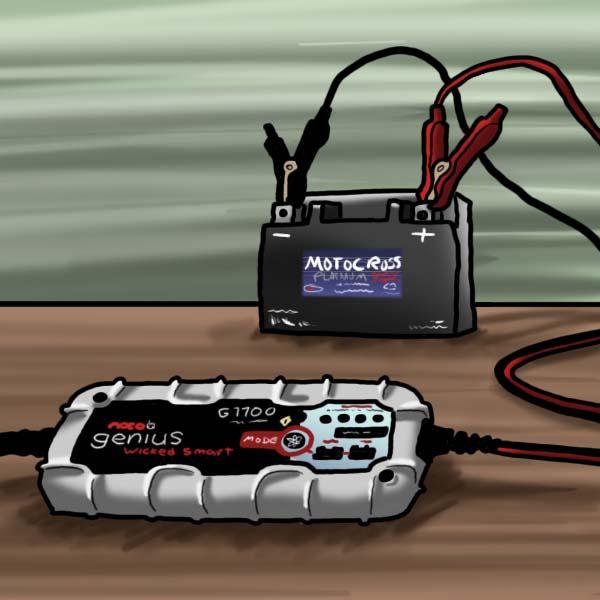
Batteries charge faster with higher-output chargers, but always use a charger that matches your battery’s specifications.
Credit: www.batterystuff.com
Tips For Extending Battery Life
Proper charging habits can nearly double the usable life of an e-bike battery. Here’s what many new users miss:
1. Avoid Full Discharges
Try not to drain your battery to 0%. Lithium-ion batteries last longer if you recharge at around 20–30%.
2. Don’t Overcharge
Leaving your battery plugged in after it’s full can slowly damage its cells. Unplug as soon as the charger says it’s done.
3. Charge Regularly
Even if you don’t ride often, charge your battery every 1–2 months. Batteries lose charge slowly over time (self-discharge).
4. Store At Partial Charge
For long-term storage, keep the battery at about 50–70% charge. Avoid storing fully charged or fully empty batteries.
5. Keep It Cool
High temperatures can reduce battery life. Store and charge in a cool, dry place.
6. Use The Right Charger
Third-party or high-speed chargers can reduce lifespan if not designed for your battery.
Common Charging Mistakes To Avoid
Many e-bike owners shorten battery life by making simple errors. Watch out for these:
- Using the wrong charger: Voltage or amperage mismatch can overheat or fry the battery.
- Charging in extreme temperatures: Both hot and freezing environments harm battery health.
- Leaving the battery discharged: Storing at 0% for weeks can make the battery unusable.
- Ignoring warning signs: Swelling, leaking, or odd smells mean your battery is unsafe.
Charging In Different Weather Conditions
Charging needs change depending on the environment. Here’s what to keep in mind:
In Hot Weather
High temperatures (above 30°C/86°F) speed up battery degradation and can be dangerous. Charge in the shade or indoors, away from direct sunlight.
In Cold Weather
Charging lithium-ion batteries below 0°C (32°F) can cause permanent damage. If you must charge in winter, bring the battery inside to warm up first.
Humid Or Rainy Conditions
Never charge your battery outdoors in the rain or in a damp garage. Moisture can cause short circuits or rust inside the battery housing.
Understanding Battery Management Systems (bms)
Most modern e-bike batteries have a Battery Management System (BMS). This built-in circuit protects against overcharging, overheating, and deep discharging.
- If the BMS detects a problem, it may shut down charging or power.
- BMS can sometimes block charging if the battery is too cold, too hot, or damaged.
- If your battery will not charge at all, the BMS may have locked it for safety.
A BMS keeps charging safe, but it’s not a replacement for careful habits.
Troubleshooting Charging Problems
If your battery will not charge, don’t panic. Try these steps:
1. Check The Charger
Test your charger with another battery, if possible. Chargers fail more often than batteries.
2. Inspect Connectors
Dirty or bent pins can stop charging. Clean carefully and realign if needed.
3. Look For Indicator Lights
Most chargers have lights to signal power and charging status. No light may mean a dead charger or blown fuse.
4. Test A Different Outlet
Sometimes the problem is just a faulty wall socket.
5. Try A Reset
Some batteries have a reset button or require a special reset sequence if the BMS has tripped.
6. Consult A Professional
If you cannot solve the issue, take your battery and charger to a certified e-bike shop.
How Battery Charging Affects Range
Charging habits don’t just affect battery life—they also determine how far you can ride. A well-charged, healthy battery gives you full range, while poor habits reduce capacity over time.
- Frequent short trips? Top up after every few rides.
- Going on a long ride? Charge to 100%, but don’t leave the battery fully charged for days.
Pro tip: If you notice your range dropping, it’s a sign your battery is aging or needs a check-up.

Credit: www.bicycling.com
Fast Charging: Is It Safe?
Some chargers promise “fast charging. ” While convenient, fast charging generates more heat and can shorten battery life if used often. It’s best for emergencies, not daily use.
| Charging Method | Pros | Cons |
|---|---|---|
| Standard Charging | Long battery life, safe | Slower (3-7 hours) |
| Fast Charging | Quick (1-2 hours) | Reduces lifespan, more heat |
Use fast chargers only if your battery and charger are both designed for it.
Recycling And Safety
Never throw old e-bike batteries in the trash. They contain chemicals that can pollute and may start fires. Most cities offer recycling programs for lithium-ion batteries. Check your local rules, or visit EPA’s battery recycling page for guidance.
Frequently Asked Questions
How Often Should I Charge My E-bike Battery?
Charge after every ride if possible, but don’t let the battery drop below 20–30%. If you don’t ride often, recharge at least once every 1–2 months to prevent deep discharge.
Can I Use A Different Charger To Speed Up Charging?
No. Always use the charger provided by the manufacturer. Using a charger with a different voltage or current can damage the battery or cause safety issues.
Is It Safe To Leave The Battery Charging Overnight?
It’s not recommended. Most modern chargers stop charging when full, but it’s safest to unplug the battery once charging is complete.
What Should I Do If My Battery Gets Hot While Charging?
Stop charging immediately. Let the battery cool before trying again. If it continues to heat up, the battery may be damaged and should be checked or replaced.
How Do I Know If My Battery Is Fully Charged?
Check the charger’s indicator light—usually green means full. Some e-bikes also show battery level on the display. For the most accurate result, rely on the charger’s indicator.
Charging your bike battery is simple, but doing it right makes a big difference. With careful habits and attention to detail, you’ll enjoy longer battery life, safer rides, and more time on the road. Remember: a little effort now means fewer problems and expenses later.