Many people enjoy the freedom and fun of riding an e-bike, but some feel unsure when it’s time to charge it. Charging an e-bike may sound simple, but doing it the right way can make your battery last longer and keep your rides safe. A small mistake, like using the wrong charger or forgetting about the weather, can damage your bike or even create a safety risk. This guide will help you understand every step, from plugging in your first battery to caring for it over many years.
You’ll learn the basic process, best practices, and even some tips that many beginners miss. Whether you just bought your first e-bike or want to improve how you care for your current one, this article will explain everything in clear, practical steps.
Understanding Your E-bike Battery
Every e-bike depends on its battery. Most e-bikes today use lithium-ion batteries. These are popular because they are lightweight, charge quickly, and last longer than older lead-acid types. However, different e-bikes may have different battery sizes and voltages.
- Voltage: Most e-bikes use 36V, 48V, or 52V batteries.
- Capacity: This is shown as amp-hours (Ah). A larger number means more energy and longer range.
- Removable vs. Fixed: Some batteries can be removed for charging, while others stay on the bike.
Always check your e-bike’s manual for the exact battery type and recommended charger. Using the wrong charger can be dangerous.
Preparing To Charge Your E-bike
Before charging, take a few simple steps to protect both your battery and your home.
1. Choose A Safe Location
Always charge your battery in a dry, cool space, away from direct sunlight or heat sources. Never cover your battery while charging, and avoid charging on flammable surfaces (like a bed or couch).
2. Inspect Battery And Charger
Look for any cracks, swelling, or leaks in your battery. If you see damage, do not charge. Check that your charger cable is not frayed or damaged.
3. Use The Correct Charger
Only use the charger that came with your e-bike, or a certified replacement from the same brand. Third-party chargers might not match the voltage or current needed for your battery.
Non-obvious tip: Many new owners forget to check the wall outlet. If your home has power surges or poor wiring, use a surge protector to guard your charger and battery.
Step-by-step: How To Charge An E-bike
Charging your e-bike is not difficult, but following the right steps makes a difference.
1. Turn Off Your E-bike
Before connecting the charger, always make sure the e-bike is completely powered off. This prevents sparks and protects the battery management system.
2. Remove The Battery (if Possible)
If your battery is removable, unlock it and take it off the bike. Charging a removed battery is often safer and lets you keep the bike in a cold garage while charging inside.
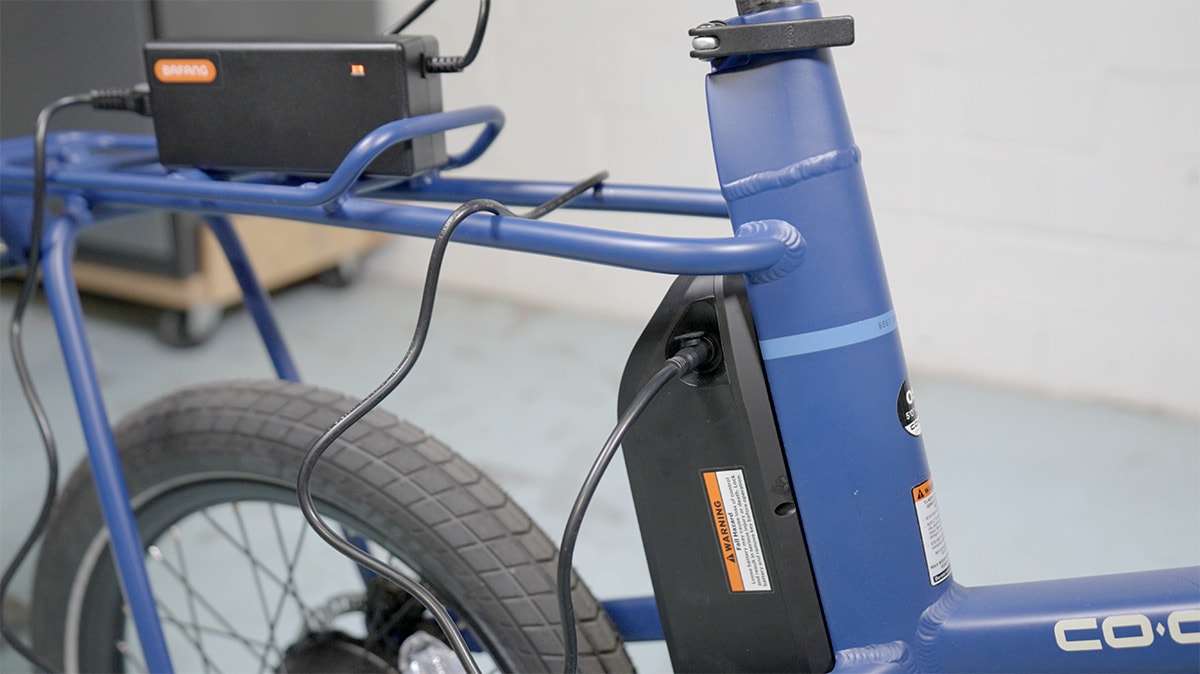
3. Connect The Charger To The Battery
Plug the charger into the battery first. Most chargers have a unique plug or connector that fits only your battery type. Never force the plug.
4. Plug The Charger Into The Wall
Connect the charger to the wall outlet after it’s attached to the battery. This order helps avoid sparks and damage.
5. Monitor Charging
Most e-bike chargers have a light to show charging status. A red or orange light means charging, while green means fully charged. It usually takes 3 to 6 hours for a full charge, depending on battery size.
6. Unplug When Complete
Once the light turns green, unplug the charger from the wall first, then from the battery. Do not leave the battery connected for long after charging.
7. Reinstall The Battery
If you removed the battery, wait a few minutes before putting it back. This lets the battery cool and balances the internal power.
How Long Does It Take To Charge An E-bike?
Charging time depends on battery size and charger power. Here’s a simple comparison:
| Battery Capacity (Ah) | Charger Output (Amps) | Typical Charging Time |
|---|---|---|
| 10 Ah | 2A | 5 hours |
| 13 Ah | 2A | 6.5 hours |
| 15 Ah | 3A | 5 hours |
Insider tip: Charging slows down as the battery gets close to full. The last 10% may take longer than you expect.
How Often Should You Charge An E-bike?
Many people wonder if they should wait for the battery to run out, or top it off after each ride. Modern lithium batteries do best when kept between 20% and 80% charge. Fully draining the battery every time is not good for its lifespan.
- For daily riders: Charge after each ride, but unplug once full.
- For occasional riders: Keep your battery at about 50% if storing for weeks.
Common Mistakes To Avoid
Even experienced riders sometimes make errors when charging. Here are mistakes to watch out for:
1. Using The Wrong Charger
This can overheat or damage your battery.
2. Overcharging
Leaving the charger connected all night, every night, can shorten battery life.
3. Charging In Bad Weather
Charging a wet battery or outdoors in rain can be dangerous.
4. Ignoring Battery Temperature
If the battery feels hot after riding, let it cool for 30 minutes before charging.
5. Letting Battery Go Flat
Storing your e-bike with a dead battery for months can ruin it.
Credit: www.rei.com
Storing Your Battery Safely
If you won’t ride your e-bike for a while, battery care becomes even more important.
- Charge to 50-70% before long-term storage.
- Store in a cool, dry place (around 15°C or 59°F is ideal).
- Check and top up the charge every 2-3 months.
Never freeze your battery, and avoid leaving it in a hot car.
Battery Health And Lifespan
A typical e-bike battery lasts 500-1,000 full charge cycles. With good care, this means 2-5 years of riding.
Here’s how different habits affect battery life:
| Charging Habit | Expected Lifespan |
|---|---|
| Daily full charge/discharge | 2 years |
| Charging after partial use | 3-4 years |
| Storing at 50% and charging wisely | 5+ years |
Non-obvious insight: It’s better to charge little and often, rather than always waiting for the battery to get low.
What To Do If Your Battery Won’t Charge
Sometimes, your battery might not charge as expected. Here’s what to check:
- Charger light: If the light does not turn on, try another outlet.
- Connections: Make sure plugs are clean and tight.
- Battery temperature: If cold or hot, bring it to room temperature.
- Age: If your battery is over 3 years old, capacity may be dropping.
If these steps do not help, contact your e-bike’s manufacturer or a certified repair shop.
Charging E-bike Batteries Safely At Home
Safety should always come first. Fires caused by lithium batteries are rare, but they can happen if charging is done carelessly.
- Do not leave batteries charging unattended overnight.
- Use only certified chargers and avoid cheap replacements.
- Charge on a hard, non-flammable surface like tile or concrete.
- Keep batteries away from children and pets while charging.
For more safety information, visit the U.S. Consumer Product Safety Commission.
Credit: wagan.com
Charging On The Go
If you plan long rides or tours, charging becomes part of your trip.
- Many e-bike-friendly cafes or hotels offer outlets for charging.
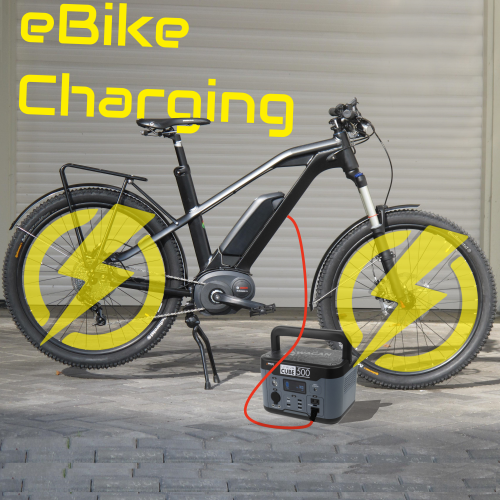
- Portable chargers or solar panels are available, but check compatibility and charging speed.
Some e-bike batteries offer fast-charging options, but frequent use of fast charging can reduce battery life over time.
Weather And Charging
Both cold and heat affect your battery.
- Cold: Batteries charge slower and may not fill completely if below 10°C (50°F). Always warm up the battery to room temperature before charging.
- Heat: Charging in temperatures above 30°C (86°F) can damage cells. Choose a cool place to charge.
Here’s a summary of safe charging temperatures:
| Temperature | Safe to Charge? |
|---|---|
| Below 0°C (32°F) | No |
| 0°C – 30°C (32-86°F) | Yes |
| Above 30°C (86°F) | Not Recommended |
How To Maximize Battery Range While Charging
Charging is just one part of getting the most from your battery. You can help your battery go further by:
- Using lower power assist levels when riding.
- Keeping tires properly inflated.
- Avoiding very steep hills when possible.
- Carrying less weight on your e-bike.
These habits reduce how much energy you use and make every charge last longer.
Frequently Asked Questions
How Do I Know When My E-bike Battery Is Fully Charged?
Most e-bike chargers have an LED that turns green when charging is complete. Some e-bikes also show battery status on the display. Always unplug the charger when finished.
Can I Use My Laptop Or Phone Charger To Charge My E-bike Battery?
No. Only use the charger made for your battery. Laptop or phone chargers do not have the correct voltage or safety features.
What Happens If I Charge My Battery Overnight?
Occasional overnight charging is usually safe if your charger has an automatic shut-off. However, leaving the battery connected for days or charging overnight every time can slowly reduce battery life.
Is It Safe To Charge My E-bike In The Rain?
No. Never charge outdoors in wet conditions or with a wet battery. Water and electricity can cause short circuits or fires.
How Should I Dispose Of An Old E-bike Battery?
Do not throw it in the trash. Take old batteries to a local recycling center or bike shop that accepts e-bike batteries. They have special processes to handle hazardous materials safely.
Charging your e-bike may seem simple, but doing it right helps you ride longer, saves money, and keeps you safe. With these steps and tips, you can keep your e-bike battery strong and enjoy every journey with peace of mind.

Credit: www.bicycling.com