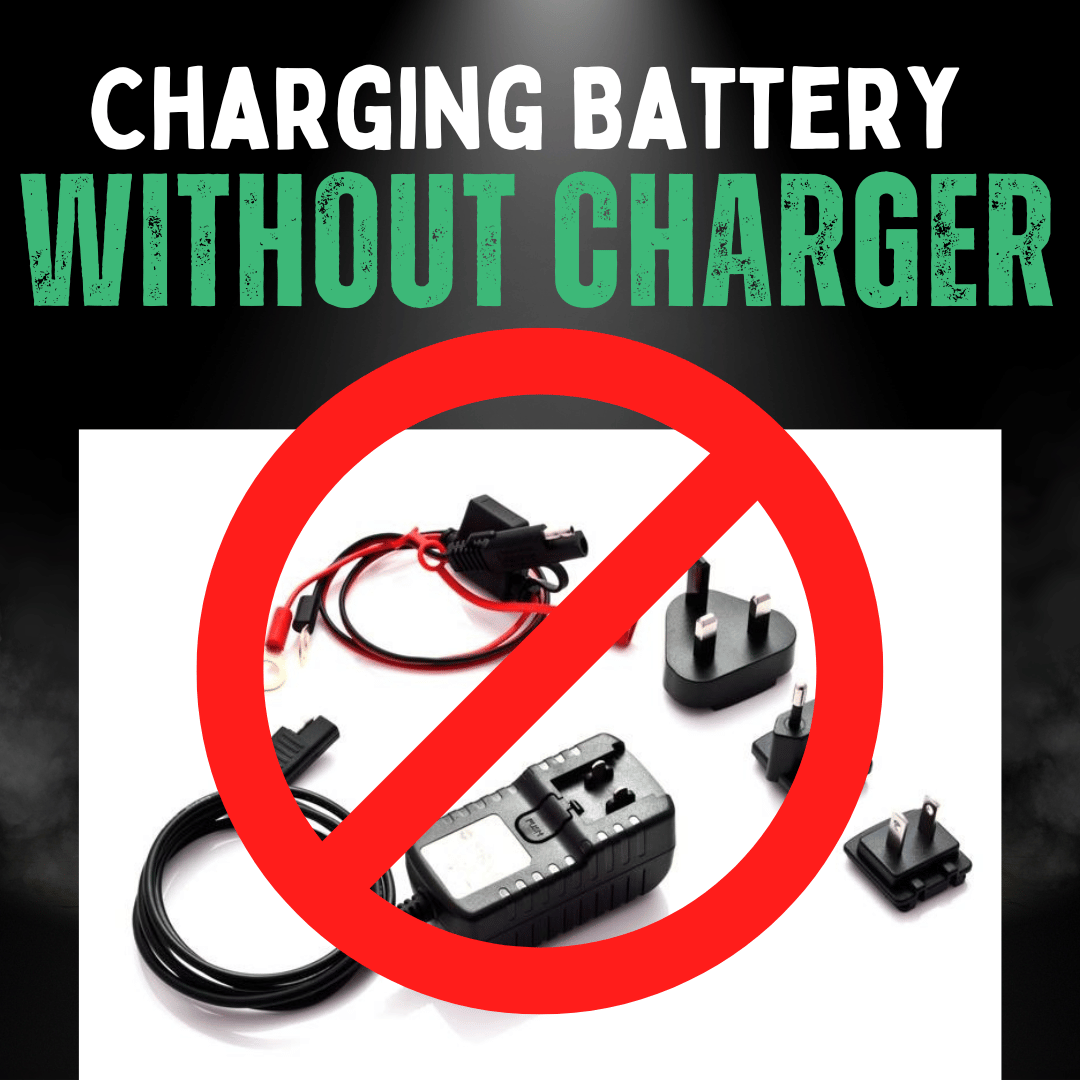
Charging your e-bike should be easy, but sometimes, life throws a curveball. Maybe you lost your charger, or it broke right before a big ride. Or maybe you’re traveling and forgot to pack it. Whatever the reason, the question pops up: how can you charge your e-bike battery without a charger? It sounds tricky, but you have options. In this guide, you’ll discover safe, practical, and creative ways to get your battery powered up when you don’t have the original charger.
Before you start, it’s important to know: charging an e-bike battery without the proper charger can be risky if you don’t understand the basics. You’ll need to be careful, use the right tools, and pay attention to safety. This article will help you do just that. We’ll cover different methods, what you need, what to avoid, and even a few expert tips that most new riders miss. By the end, you’ll know exactly what to do if your charger is missing or broken—and how to avoid common mistakes that could damage your battery.
Why Charging Without The Original Charger Is Tricky
Many new e-bike owners don’t realize that e-bike batteries are not all the same. They come in different voltages, capacities, and connector types. Most chargers are designed to match a specific battery. Using the wrong charging method can damage the battery, reduce its lifespan, or even cause a fire.
The main challenges are:
- Voltage compatibility: Your charging source must match the battery voltage.
- Current control: Charging too fast or too slow can be harmful.
- Connector fit: Not all plugs and cables are compatible.
Despite these challenges, there are safe methods you can use if you find yourself without your charger.
Understanding Your E-bike Battery
Before trying any alternative charging method, you need to know some basic facts about your battery:
- Voltage (e.g., 36V, 48V)
- Amp-hour (Ah) rating (how much energy it stores)
- Battery type (most modern e-bikes use lithium-ion)
- Connector type (what plug or socket it uses)
Most e-bike batteries are lithium-ion, which need careful charging. Overcharging or using the wrong voltage can be dangerous.
Let’s look at some common battery specifications:
| Battery Voltage | Typical E-Bike Use | Risk If Overcharged |
|---|---|---|
| 24V | Small city bikes | Reduced battery life |
| 36V | Standard e-bikes | Possible overheating |
| 48V | High-power e-bikes | Fire hazard |
Always check your battery’s label or your e-bike manual to confirm these numbers.

Credit: www.reddit.com
Safe Methods To Charge An E-bike Battery Without The Charger
You can charge your battery without the original charger, but you need to be careful. Here are the most reliable methods:
1. Using A Universal Charger
A universal charger is made for different battery types and voltages. These chargers have adjustable settings. Here’s how to use one safely:
- Set the voltage and current to match your battery.
- Connect the positive (red) and negative (black) wires to the correct terminals.
- Monitor the battery while charging. Don’t leave it unattended.
A universal charger is the safest option if you don’t have the original.
2. Charging With A Power Supply
A DC power supply can act as a manual charger. You’ll need basic electronics knowledge and these steps:
- Set the voltage to match your battery (e.g., 36V).
- Set a safe current (usually 2A or less for e-bike batteries).
- Use crocodile clips or banana plugs to connect to the battery terminals.
- Monitor the battery for heat and voltage.
This method is popular among DIY enthusiasts, but it’s not for beginners.
3. Using A Car Battery And Inverter
If you’re on the road, you can use a car battery as a temporary solution. You’ll need:
- A DC-to-DC converter or inverter (to match your battery voltage)
- Proper cables and connectors
Connect the inverter to the car battery, then connect to your e-bike battery. This method works in emergencies but is slower than regular charging.
4. Solar Charging
Solar panels can charge e-bike batteries, but you need the right setup:
- A solar panel with the correct voltage and power output
- A charge controller for lithium-ion batteries
Connect the solar panel to the charge controller, then the battery. Solar charging is slow but useful for camping or remote trips.
5. Charging With Another E-bike Charger
If you have access to another e-bike charger (from a friend or bike shop) with the same voltage and connector, you can use it safely. Just double-check compatibility before connecting.
6. Charging Directly From A Generator
Portable generators can charge e-bike batteries using their AC outlets. Plug in a universal charger or use the right adapter. Make sure the generator produces clean, stable power to avoid battery damage.
What You Need For Each Method
It’s easy to get confused about what tools and cables are required. Here’s a summary:
| Charging Method | Essential Tools | Skill Level |
|---|---|---|
| Universal Charger | Universal charger, cables | Beginner |
| DC Power Supply | Power supply, wires, clips | Intermediate |
| Car Battery & Inverter | Car battery, inverter, cables | Intermediate |
| Solar Charging | Solar panel, charge controller | Intermediate |
| Another E-Bike Charger | Compatible charger | Beginner |
| Generator | Generator, charger or adapter | Beginner |
Step-by-step Guide: Charging With A Dc Power Supply
If you’re comfortable with electronics, this method works well for most lithium-ion e-bike batteries.
- Set the Voltage
- Adjust your power supply to match the battery’s voltage (e.g., 36V).
- Set the Current
- Start with 1-2A for safety.
- Connect the Wires
- Red to positive (+), black to negative (−).
- Monitor Charging
- Watch the battery temperature and voltage.
- Stop charging when the battery reaches its rated voltage (e.g., 42V for a 36V battery).
- Disconnect Safely
- Remove the wires in the reverse order.
Expert Tip: Never leave the battery unattended while charging with this method.
Common Mistakes To Avoid
Many beginners try to charge their battery quickly, but this can cause permanent damage. Here’s what to avoid:
- Using the wrong voltage: Even a small mismatch can damage the cells.
- Charging without monitoring: Always watch the process.
- Mixing up polarity: Reversing the wires can destroy the battery.
- Overcharging: Stop at the recommended voltage.

Credit: vtuviaebike.com
How Long Does It Take To Charge?
Charging time depends on the method and the battery’s size. Here’s a simple comparison:
| Method | Charging Speed | Time for 10Ah Battery |
|---|---|---|
| Original Charger | Standard | 4-6 hours |
| Universal Charger | Standard | 4-6 hours |
| DC Power Supply | Slow to medium | 5-7 hours |
| Car Battery & Inverter | Slow | 6-8 hours |
| Solar Panel | Very slow | 8-12+ hours |
A slower charge is usually safer for the battery.
Advanced Tips Most People Miss
1. Use a Battery Management System (BMS):
Most e-bike batteries have a built-in BMS. This system helps balance the cells and prevent overcharging. If your battery allows, always connect through the main terminals—not directly to cell groups.
2. Check Cell Health Regularly:
If you often use alternative charging methods, test your battery’s cells with a voltmeter every few months. This prevents unexpected failures and helps you spot problems early.
When You Should Not Charge Without A Charger
There are times when it’s better to wait for the original charger or a replacement:
- If your battery is swollen, leaking, or damaged
- If you’re not sure about the voltage or wiring
- If you don’t have proper tools
In these cases, forcing a charge can cause fire, explosion, or permanent damage. Safety always comes first.
Practical Example: Charging During A Road Trip
Imagine you’re on a bike tour, and your charger is lost. You have a car with a 12V battery, a small solar panel, and a universal charger. Here’s what to do:
- Use the universal charger with the car’s inverter for the main charge.
- If the car isn’t available, connect the solar panel during the day for a slow top-up.
- Always monitor the process and never rush. A few extra hours are better than a ruined battery.
Credit: riiroo.com
How To Be Prepared Next Time
It’s smart to plan for emergencies:
- Carry a universal charger in your toolkit.
- Learn your battery’s specs (voltage, current, connector type).
- Keep backup cables and adapters.
- Store the original charger in a safe, easy-to-remember place.
Frequently Asked Questions
What Happens If I Use The Wrong Voltage To Charge My E-bike Battery?
Using the wrong voltage can overheat the battery, damage the internal cells, or even cause a fire. Always match the charging voltage to your battery’s rating.
Can I Use Any Laptop Charger To Charge My E-bike Battery?
No, most laptop chargers don’t provide the correct voltage or current. They also use different connectors. Using a laptop charger can damage the battery or the charger itself.
Is It Safe To Charge My E-bike Battery Overnight With A Universal Charger?
It’s only safe if the charger automatically stops at the correct voltage and has built-in safety features. Otherwise, you should monitor the process and disconnect when the battery is full.
How Do I Know When My Battery Is Fully Charged?
Check the voltage with a multimeter. For a typical 36V lithium-ion battery, a full charge is about 42V. Some chargers also have indicator lights.
Where Can I Find More Technical Details About E-bike Batteries?
You can read more technical information on the Wikipedia Electric Bicycle page for deeper insights.
Charging an e-bike battery without the original charger is possible, but it requires careful planning, the right tools, and attention to detail. Always put safety first, and if you’re unsure, seek help from a professional or your bike shop. With the tips here, you’ll be ready for any charging emergency and can keep enjoying your rides—even when your charger isn’t around.