Riding a quad bike is a thrilling experience that brings together adventure, skill, and a bit of daring. Whether you see quad bikes zipping over sand dunes, powering through muddy trails, or cruising around farms, these vehicles have a universal appeal.
But jumping on a quad bike and driving safely is not as simple as it looks. Many beginners make mistakes that can turn a fun ride into a dangerous situation. If you want to drive a quad bike and enjoy the ride, there are important things you need to know.
This guide will help you learn how to drive a quad bike step by step, from understanding the controls to handling tricky terrain. You’ll get practical tips, safety advice, and insights that even some experienced riders miss. By the end, you’ll know what it takes to ride confidently and responsibly, whether you’re planning a weekend adventure or just want to try something new.
What Is A Quad Bike?
A quad bike (also called an ATV—All-Terrain Vehicle) is a four-wheeled vehicle designed for off-road use. It has handlebars for steering, a seat you straddle like a motorcycle, and wide tires for stability. Unlike cars, quad bikes are not for paved roads but rough, uneven ground.
Quad bikes come in different sizes and power levels. Some are small and meant for kids or beginners, while others are powerful machines for racing or farm work. Understanding the basics of your quad bike is important before you start riding.
Getting To Know The Controls
Before you even start the engine, you need to know what each control does. Here’s a breakdown of the main controls you’ll find on most quad bikes:
| Control | Function | Location |
|---|---|---|
| Throttle | Controls speed | Right handlebar (thumb lever or twist grip) |
| Brakes | Slows or stops the bike | Right handlebar (front) & left handlebar or foot pedal (rear) |
| Gear Shifter | Changes gears | Foot lever or handlebar lever |
| Start/Stop Switch | Turns engine on/off | Handlebar or near dashboard |
| Kill Switch | Emergency engine stop | Usually red switch on handlebar |
Not all quad bikes have the same layout, so always read your owner’s manual. Try sitting on the bike and practice using each control with the engine off until you feel comfortable.
Safety Gear: What You Need
Riding a quad bike without the right safety gear is risky. Even experienced riders can have accidents. Here’s what you should always wear:
- Helmet: The most important piece. Always wear a certified helmet—never ride without it.
- Goggles: Protect your eyes from dust, dirt, and flying debris.
- Gloves: Give you a better grip and protect your hands in a fall.
- Long sleeves and pants: Prevent cuts and scrapes.
- Boots: Sturdy, over-the-ankle boots protect your feet and ankles.
- Chest and knee protectors: For rough terrain or fast riding, these add extra protection.
Many beginners skip gloves or boots, thinking they’re not necessary for short rides. But accidents often happen close to home or on easy trails. Make safety a habit, not just a rule.
Starting The Quad Bike
Once you’re comfortable with the controls and have your safety gear on, you’re ready to start the quad bike. Here’s how:
- Check the bike: Make sure the tires are inflated, brakes work, and there’s enough fuel.
- Mount the bike: Stand on the left side, grab the handlebars, and swing your right leg over the seat.
- Start the engine: Turn the key to “on,” make sure the gear is in neutral, and press the start button. Some bikes need you to pull in a brake or hold the clutch before starting.
- Warm up: Let the engine run for a minute, especially in cold weather.
Never rush these steps. Quick checks can prevent breakdowns or accidents.
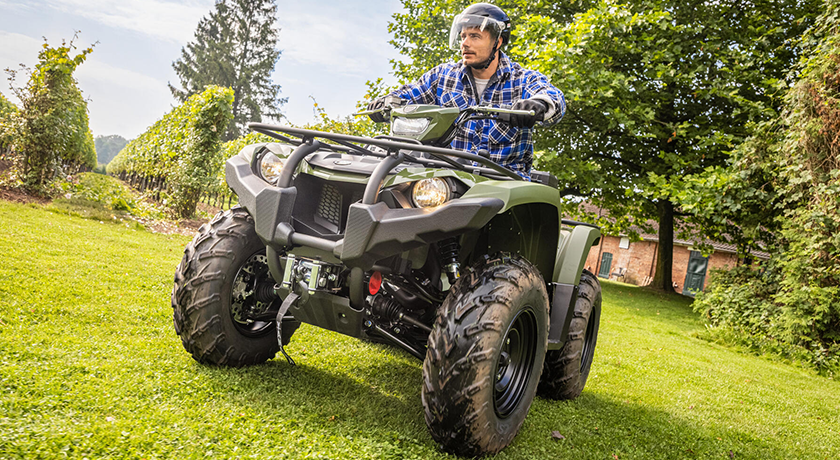
Credit: www.lexhaminsurance.co.uk
Basic Riding Techniques
Now, you’re ready to move. Mastering the basics is key to safe and confident riding.
Accelerating
- Use your thumb or twist the throttle slowly.
- Start with gentle pressure. Sudden acceleration can make the front wheels lift, especially on powerful bikes.
- Practice smooth starts on flat ground before trying hills or rough terrain.
Braking
- Use both front and rear brakes together for controlled stops.
- Apply brakes gradually. Sudden braking can make the bike skid or tip.
- Always slow down before turns or obstacles.
Steering
- Steer with your arms and shift your body weight.
- For sharp turns, lean your body into the turn while keeping your feet firmly on the footrests.
- On flat ground, steering is easy, but on slopes or rough areas, shifting your weight helps keep the bike stable.
Shifting Gears
- Most beginner quads have automatic or semi-automatic gears.
- If you have manual gears, shift up as you gain speed and down as you slow.
- Always release the throttle while changing gears to avoid jerky movements.
| Situation | Recommended Gear | Notes |
|---|---|---|
| Flat, open field | 2nd or 3rd | Smooth acceleration |
| Steep hill climb | 1st | More control and power |
| Rough terrain | 1st or 2nd | Slower, careful progress |
Handling Different Terrains
A big part of quad biking is learning to handle all kinds of ground. Here’s how to ride safely on the most common surfaces:
Flat Ground
- Keep your speed moderate.
- Practice starting, stopping, and turning.
- Use this time to get a feel for the bike’s handling.
Hills
- Always ride straight up or down the hill—never across the slope.
- Lean forward when climbing to keep the front wheels on the ground.
- Lean back when descending to avoid flipping over.
- Use low gears for better control.
Mud And Sand
- Keep your speed steady—don’t stop in deep mud or sand.
- Use a lower gear for more power.
- Shift your weight back to prevent the front wheels from digging in.
Rocks And Rough Trails
- Stand slightly on the footrests to let your knees absorb shocks.
- Go slow and pick the smoothest path.
- Avoid sudden throttle or brake movements.
An insight many miss: The way you shift your body weight affects the bike’s stability much more than the steering. This is what separates skilled riders from beginners.
Essential Riding Skills For Beginners
Beyond just moving, there are key skills you must develop:
- Balance: Keep your body relaxed and centered. Practice riding slowly and stopping without putting your feet down.
- Looking ahead: Always watch where you’re going, not just the front wheels. This helps you avoid obstacles.
- Throttle control: Learn to use small, smooth movements. Overuse can cause loss of control.
- Braking smoothly: Practice stopping from different speeds. Try using just the rear, just the front, and both brakes to feel the difference.
- Turning safely: Start with wide, gentle turns before trying sharper ones.
A common beginner mistake is staring at the front wheels instead of the path ahead. This leads to poor reactions and missed hazards.
Important Safety Tips
Quad bikes are fun but can be dangerous if not used with care. Here are safety tips every rider must know:
- Never ride on public roads—quad bikes are not designed for traffic.
- Ride at a speed that matches your skill and the terrain.
- Never carry a passenger unless the bike is made for two.
- Don’t ride under the influence of alcohol or drugs.
- Tell someone where you’re going, especially if riding alone.
- Keep your feet on the footrests at all times.
- If you feel tired, stop and rest.
According to the U. S. Consumer Product Safety Commission, about 93,800 ATV-related injuries were treated in U. S. hospital emergency rooms in 2017. Most happened because of lack of safety gear or unsafe riding habits.

Credit: www.youtube.com
Common Mistakes And How To Avoid Them
Even experienced riders slip up. Here are mistakes to watch out for:
- Overconfidence: Thinking you can handle any terrain after a few rides leads to accidents.
- Ignoring maintenance: Skipping checks on brakes, tires, or oil can result in breakdowns.
- Poor posture: Sitting too far back or forward makes the bike unstable.
- Not adjusting for terrain: Riding the same way on all surfaces is a recipe for trouble.
- Riding alone in remote areas: If you crash or get stuck, help may be far away.
Avoid these mistakes by being honest about your skill, respecting the machine, and always preparing before you ride.
Maintenance Basics For Safe Riding
Good maintenance is part of safe riding. Here’s what you should check before each ride:
- Tires: Look for cuts, low pressure, or worn tread.
- Brakes: Test for firmness and good stopping power.
- Oil and fuel: Make sure there’s enough and no leaks.
- Controls: All levers and switches should move smoothly.
- Chain/Drive belt: Check for tension and wear.
Regular maintenance keeps your ride smooth and prevents sudden breakdowns on the trail. For a full guide, check your quad’s manual or visit the Wikipedia ATV page.
Advanced Tips For Confident Riding
Once you’re comfortable, you can try more challenging skills:
- Practice riding standing up for short distances—helps with rough terrain.
- Learn to “feather” the throttle for better control on slippery ground.
- Try gentle jumps over small bumps, but never on your first few rides.
- Ride with a group to learn from others and get help if needed.
- Take a certified ATV safety course to build real skill.
Remember, even experienced riders keep learning. Respect for the machine and the terrain is what keeps you safe.
Comparing Quad Bikes: Which Type Is Right For You?
Choosing the right quad bike makes a big difference in your experience. Here’s a quick comparison:
| Type | Best For | Power | Difficulty |
|---|---|---|---|
| Youth ATV | Kids, beginners | Low (50-90cc) | Easy |
| Recreational ATV | Trail riding, fun | Medium (150-400cc) | Moderate |
| Sport ATV | Racing, jumps | High (250-700cc) | Hard |
| Utility ATV | Farming, hauling | Medium-High (300-700cc) | Moderate |
Beginners should start with a youth or recreational model. Sport and utility ATVs are powerful and need more skill.
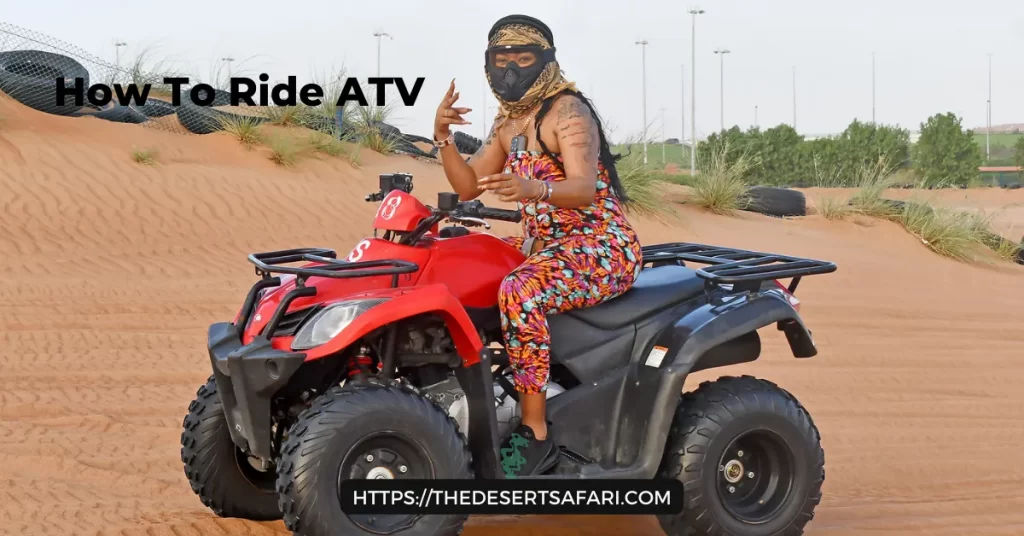
Credit: arbetarcentrum.nu
Frequently Asked Questions
How Old Do You Have To Be To Drive A Quad Bike?
Age requirements depend on your country and the type of quad bike. Many places require riders to be at least 16 for full-sized ATVs, but there are youth models for younger riders. Always check local laws.
Can Two People Ride A Quad Bike?
Most quad bikes are made for one person only. Carrying a passenger on a single-rider ATV is unsafe and can cause accidents. Only use two-seat models if you want to ride with someone else.
Do I Need A License To Drive A Quad Bike?
Licensing rules change by country and region. Some places need a special license for public land, while others allow private use without one. Always check before you ride.
What Should I Do If My Quad Bike Tips Over?
Stay calm. If possible, move away from the bike to avoid getting trapped. Turn off the engine and check for injuries. Only try to lift the bike if it’s safe. If you’re hurt or stuck, call for help.
Is It Safe To Ride A Quad Bike In The Rain?
Riding in the rain is possible but adds risk. Wet ground can be slippery, and vision is reduced. Go slower, wear waterproof gear, and avoid deep water or mud if you’re new to riding.
Quad biking is an exciting way to explore the outdoors, build new skills, and have fun. But remember—safety, practice, and respect for the machine are what keep you coming back for more. Take your time to learn, always wear the right gear, and enjoy every ride with confidence.