Riding a dirt bike on the street is a dream for many off-road enthusiasts. The thrill of taking your nimble, lightweight bike beyond trails and onto the open road is hard to match. However, making your dirt bike street legal is not as simple as attaching a license plate. There are important rules, equipment upgrades, paperwork, and inspections involved. If you want to convert your off-road machine for legal street use, you need to understand every step. This guide explains the full process in clear detail, helping you avoid expensive mistakes and wasted time.
What Does “street Legal” Mean For A Dirt Bike?
Not all dirt bikes are built for public roads. Most off-road bikes lack the necessary safety features and documentation required by law. To be street legal, a dirt bike must meet all state and federal requirements for motorcycles. This usually includes:
- Proper lighting (headlight, taillight, turn signals)
- Mirror(s)
- Horn
- DOT-approved tires
- License plate mount and light
- Speedometer and odometer
- Registration, title, and insurance
Some states have additional rules, so always check with your local Department of Motor Vehicles (DMV).
Step-by-step Guide To Making Your Dirt Bike Street Legal
Transforming your dirt bike for street use is a process. Here’s what you need to do, from mechanical upgrades to paperwork.
1. Verify Eligibility
Before you start, make sure your dirt bike can legally be converted. Some states ban certain bikes from being registered for the road, especially those with “off-road only” titles.
- Check the Manufacturer’s Statement of Origin (MSO): Does it say “off-road use only”? If so, registration may be impossible in your state.
- Research local laws: States like California have stricter rules than others. It’s best to call your DMV and ask directly.
Non-obvious insight: Some older dirt bikes, especially those built before 2000, have fewer restrictions. Vintage bikes can sometimes be registered more easily.
2. Gather Needed Parts And Equipment
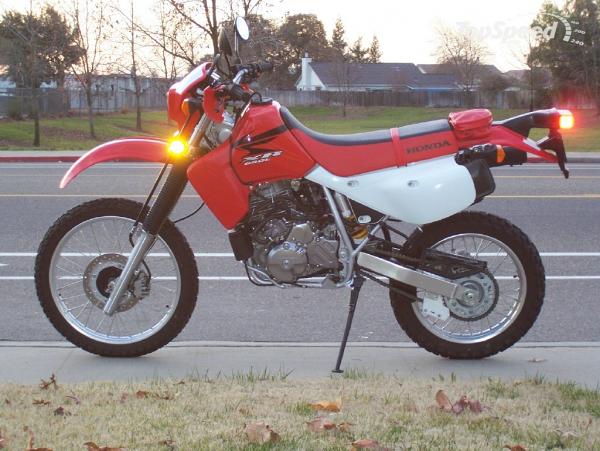
Most dirt bikes are missing key safety features. Here’s what you’ll likely need:
- Headlight: Must be bright enough for night riding and often needs both high and low beams.
- Taillight and Brake Light: The brake light must activate from both the hand and foot brake.
- Turn Signals: Some states allow hand signals, but most require electric turn signals.
- Mirrors: At least one, sometimes two, depending on the state.
- Horn: Must be audible at a distance (usually 200+ feet).
- DOT Tires: Off-road knobbies are not allowed; tires must be labeled “DOT.”
- Speedometer and Odometer: Needed in some states for tracking speed and mileage.
- License Plate Bracket and Light: The plate must be visible at night.
- Reflectors: Often required on both sides and the rear.
Pro tip: Buy a complete “street legal kit” for your bike model. These kits can save time and make sure you don’t miss anything.
3. Install The Equipment
Installing the needed parts is the most hands-on part of the process. Depending on your mechanical skills, you can do this yourself or have a motorcycle shop handle it.
- Wiring: You’ll need a 12-volt electrical system to power lights and signals. Many dirt bikes use 6-volt or have minimal wiring, so you may need to upgrade the stator and battery.
- Mounting: Make sure all equipment is secure and won’t come loose during riding.
- Testing: Double-check every light, signal, and the horn before inspection.
Common mistake: Riders often forget to upgrade the stator, leading to weak or flickering lights.
4. Update Your Tires
Most dirt bikes come with knobby tires for off-road traction. Unfortunately, these are illegal for street use in most places. You need tires marked “DOT,” which means they meet the Department of Transportation’s safety standards.
Here’s a comparison between off-road and DOT tires:
| Feature | Off-Road Knobby Tire | DOT-Approved Tire |
|---|---|---|
| Tread Pattern | Aggressive, deep knobs | Shallower, road-focused |
| Legal for Street? | No | Yes |
| Durability on Pavement | Poor | Good |
| Traction on Dirt | Excellent | Moderate |
5. Address The Exhaust System And Emissions
Many dirt bikes use exhausts that are too loud for the street or do not meet emission standards. Check if your state requires:
- Spark arrestor: Helps prevent fires and is often required.
- Noise level: Usually measured in decibels (dB). Check your local limit.
- Catalytic converter: Needed in states with strict emissions laws.
If you need to replace your exhaust, look for one labeled as street-legal or “USFS Approved. ”
Non-obvious insight: Some inspection stations test emissions with a “sniffer” at the tailpipe. Make sure your bike runs clean or you’ll fail the test.
6. Obtain A Title (if You Don’t Have One)
Some dirt bikes are sold with a bill of sale but no title. You’ll need a valid title to register your bike for street use. The process varies by state:
- Bonded title: If you cannot find the original owner, some states let you get a “bonded title.” This means you buy an insurance bond in case the real owner appears.
- Vermont loophole: Vermont allows out-of-state residents to register older bikes (usually 15+ years) by mail with just a bill of sale. Some riders use this method, then transfer the registration to their home state.
Check the DMV rules and avoid buying bikes with missing paperwork unless you are ready for extra work.
7. Pass The Safety Inspection
Once your bike is fully equipped, you must pass a safety check. The inspector will verify:
- All lighting and electrical systems work
- Tires are DOT-approved
- Mirrors, horn, and reflectors are installed
- Exhaust is not too loud
If you fail, you’ll need to fix the problems and return.
Here is a quick look at what inspectors usually check:
| Component | Inspection Focus |
|---|---|
| Headlight | Brightness, high/low beam function |
| Taillight | Brightness, brake activation |
| Turn Signals | Visibility, correct function |
| Tires | DOT marking, tread depth |
| Horn | Audibility at required distance |
8. Get Insurance
Every street-legal vehicle must have liability insurance at minimum. Call your insurance company and ask for a motorcycle policy. Be honest that your bike was originally an off-road model, now converted for street use. Some companies may refuse coverage, but others specialize in custom bikes.
- Compare rates and coverage
- Ask about roadside assistance and theft protection
9. Register And Plate Your Dirt Bike
With your inspection paperwork, proof of insurance, and title, visit the DMV to complete registration. You’ll pay fees and taxes, then receive your license plate and registration sticker. Attach the plate securely to your bike and make sure the plate light works at night.
Common mistake: Forgetting to bring all paperwork to the DMV—bring proof of purchase, your ID, inspection certificate, and insurance card.
10. Understand State-specific Requirements
Each state has its own details. For example:
- In California, the bike must pass a “CARB” emissions check.
- In Texas, hand signals are accepted for turn signals on older bikes.
- In Florida, a speedometer is not required.
Check your state’s motorcycle manual for the rules. This will help you avoid wasted time and money.
For more detailed state-by-state laws, see the official DMV motorcycle laws resource.

Credit: www.dirtlegal.com
What To Avoid When Making A Dirt Bike Street Legal
Even experienced riders make mistakes during the conversion process. Here are pitfalls to avoid:
- Skipping the title process: If you can’t get a title, you can’t finish registration.
- Cheap, unreliable parts: Low-quality lights and signals can fail inspection.
- Ignoring local laws: What works in one state may not in another.
- Not testing everything: A non-working horn or turn signal can fail your inspection.
- Forgetting insurance: Riding uninsured is illegal and dangerous.
Cost Breakdown: How Much Does It Cost?
The cost of making a dirt bike street legal can vary widely. Here’s an estimated breakdown:
| Item | Estimated Cost |
|---|---|
| Street legal kit (lights, signals, horn) | $150–$400 |
| DOT tires | $80–$200 |
| Inspection fee | $15–$40 |
| Title and registration | $50–$200 |
| Insurance (annual) | $100–$500 |
| Exhaust upgrade (if needed) | $100–$300 |
Total cost ranges from $400 to over $1,200 depending on your bike, the quality of parts, and state fees.
Credit: www.dirtlegal.com
Is It Worth Making Your Dirt Bike Street Legal?
For many riders, the answer is yes. You get the fun of riding on any road, more freedom, and higher resale value for your bike. However, if you only ride on trails, the cost and effort may not be worth it.
Think about your riding habits before starting the process.
Non-obvious insight: Street-legal dirt bikes are easier to sell and often command higher prices than off-road-only models.
Frequently Asked Questions
Is It Possible To Make Any Dirt Bike Street Legal?
No. Some dirt bikes, especially those with an “off-road only” MSO, cannot be registered in certain states. Always check your state laws and the bike’s title before starting the conversion process.
What Is The Easiest State To Register A Dirt Bike For Street Use?
States like South Dakota, Vermont, and Arizona are known for easier registration. Vermont allows out-of-state registrations by mail for older bikes, even if you don’t live there.
Do I Need To Pay Taxes When Registering My Dirt Bike?
Yes. You will usually pay sales tax based on the purchase price or the bike’s value when you register it. Bring your bill of sale to the DMV as proof.
Can I Use My Dirt Bike On The Highway After Making It Street Legal?
If your bike is fully registered, insured, and meets all safety rules, you can ride it anywhere a motorcycle is allowed. However, small engines and low top speeds may make highway riding unsafe.
What Happens If I Ride My Dirt Bike On The Street Without Making It Street Legal?
You risk fines, impoundment, and even criminal charges. Police can seize your bike, and you could lose your license. It is not worth the risk—always follow the law.
Bringing your dirt bike to the street takes planning and patience, but the rewards are worth it. With the right parts, paperwork, and preparation, you can enjoy both the trail and the open road—legally and safely.
Credit: www.chapmoto.com