Pumping a bike tire with a hand pump can feel tricky the first time, especially if you are new to cycling or haven’t needed to fix a flat before. But with the right approach, anyone can master this basic skill.
Keeping your bike tires properly inflated is not just about comfort—it’s about safety, efficiency, and making your ride last longer. Under-inflated tires make you work harder, can damage the tire, and increase the risk of flats. Over-inflated tires can burst or reduce your grip on the road.
Knowing how to use a hand pump gives you freedom wherever you ride.
This guide will help you confidently pump your bike tire using a hand pump, understand the different valves, avoid common mistakes, and maintain your tires for optimal performance.
Understanding Your Bike Tire Valve
Before grabbing your pump, you need to identify the valve type on your bike tire. The two most common types are Presta and Schrader.
| Valve Type | Appearance | Common Use |
|---|---|---|
| Presta | Thin, tall, with a small knurled nut on top | Road bikes, some hybrids |
| Schrader | Wider, short, like car tire valves | Mountain bikes, kids’ bikes, many hybrids |
Presta valves are longer and narrower. They have a tiny nut you need to unscrew before pumping. Schrader valves are shorter and fatter, with a spring-loaded pin in the center. This type is what you see on most car tires.
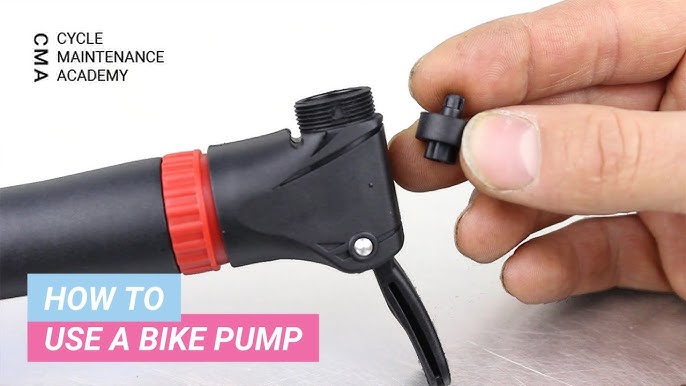
Some hand pumps fit both valves, but some require an adapter or have a reversible head. Always check what your pump can handle before starting.
Essential Tools And Preparation
You need a few basic items to pump your tire correctly:
- Hand pump (check if it fits your valve type)
- Pressure gauge (some pumps have a built-in one)
- Tire pressure recommendation (found on the tire sidewall)
- Clean cloth (for wiping valve or hands)
Check the side of your tire for numbers like “85-120 PSI” or “3.5-4.5 BAR.” This tells you the recommended tire pressure. Using the right pressure improves ride quality and prevents damage.
Before you start, inspect your hand pump. If it’s old, make sure it hasn’t dried out or cracked. Check for missing parts like the O-ring or adapter. A missing piece can make the process frustrating or even impossible.
Credit: www.gulfcombustiveis.com.br
Step-by-step Guide To Pumping A Bike Tire With A Hand Pump
1. Remove The Valve Cap
Start by unscrewing the small plastic or metal cap from your valve. Put it in your pocket or a safe place—these get lost easily.
2. Prepare The Valve
For Presta valves: Unscrew the tiny brass nut at the top until it stops. Press it down quickly—you should hear a brief hiss of air. This means the valve is open.
For Schrader valves: No extra preparation is needed—just remove the cap.
3. Attach The Hand Pump
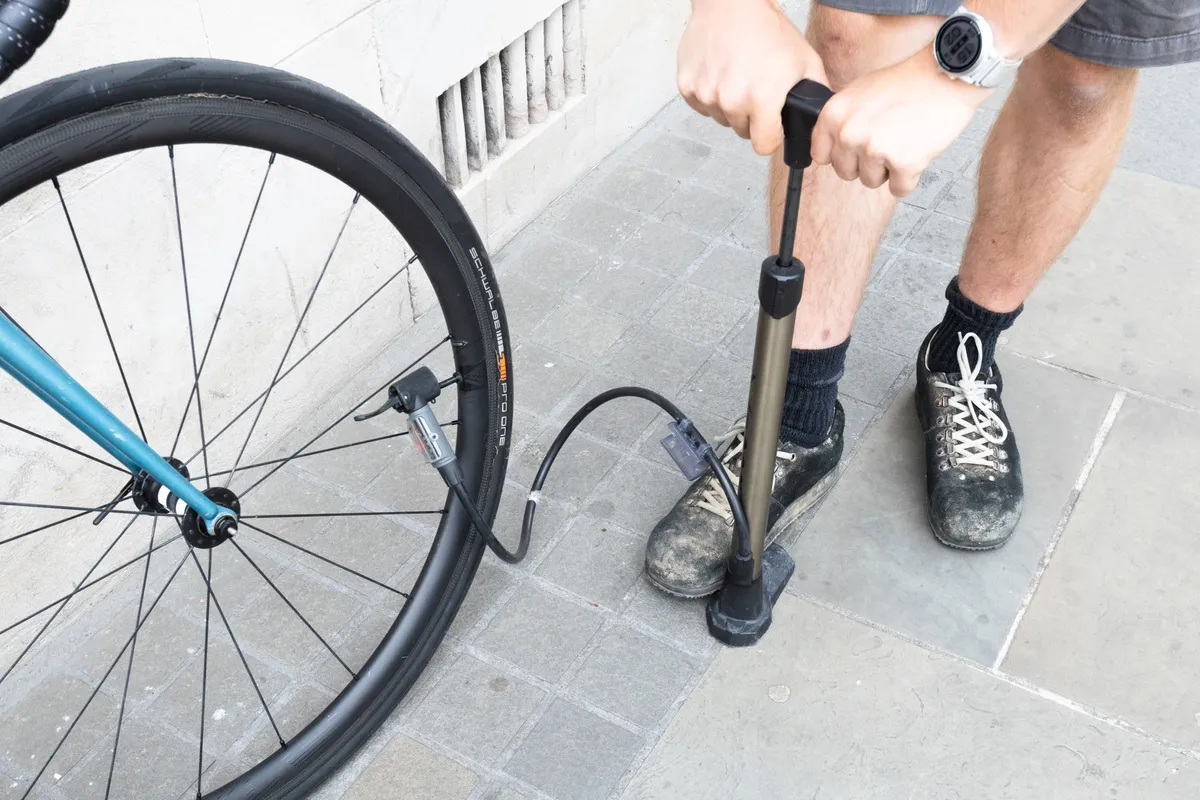
Fit the pump head onto the valve. For some pumps, you may need to flip a lever to lock it in place.
- Presta: Push the pump nozzle onto the valve until it fits snugly. Lock with the lever if your pump has one.
- Schrader: Push the pump head down until you feel resistance, then flip the lever.
If the pump hisses a lot or feels loose, it’s not sealed—try adjusting the angle or reattaching.
4. Begin Pumping
Start pumping with steady strokes. For high-pressure road tires, it can take some effort. Small hand pumps require more strokes than floor pumps.
- If your pump has a pressure gauge, watch the needle rise.
- If not, count your strokes and check the tire firmness by feel (more on this below).
5. Check Tire Pressure
Stop occasionally to check if you’ve reached the recommended pressure.
- If your pump has a gauge, release the handle and read the number.
- If not, squeeze the tire. For road bikes, the tire should feel firm with little give. For mountain bikes, it should feel softer but not squishy.
Many beginners over-inflate or under-inflate. A good tip: If you’re not sure, stay a little under the maximum marked on the tire. Too much pressure can blow out the tube.
6. Remove The Pump
Unlock the lever (if present) and pull the pump head straight off the valve. Do this quickly but smoothly to avoid bending or breaking the valve.
7. Close The Valve
- For Presta: Screw the tiny nut back down to seal the valve.
- For Schrader: No closing is needed.
Screw the valve cap back on to keep out dirt and moisture.
How To Know If You’ve Pumped Enough
The correct tire pressure depends on your bike, your weight, and the terrain. Road bikes usually take 80–120 PSI, while mountain bikes may need only 30–50 PSI.
| Bike Type | Recommended Pressure (PSI) |
|---|---|
| Road | 80–120 |
| Mountain | 30–50 |
| Hybrid | 50–70 |
Factors that change ideal pressure:
- Rider weight: Heavier riders need higher pressure.
- Weather: Hot weather increases pressure; cold weather decreases it.
- Terrain: Lower pressure for off-road, higher for smooth roads.
A simple test: Press the tire with your thumb. For road bikes, you should barely be able to press it in. For mountain bikes, there should be slight but not deep give.

Credit: viribusbikes.com
Common Mistakes To Avoid
Even experienced cyclists sometimes make errors with hand pumps. Watch out for these:
- Forcing the pump: If the pump doesn’t fit, don’t push harder. Check for the right adapter or pump head.
- Skipping the valve check: Not opening the Presta valve nut leads to wasted effort.
- Inflating too quickly: Fast strokes may heat the pump, causing leaks or inaccurate pressure readings.
- Not sealing the pump head: Air hissing means you’re not pumping into the tire.
- Over or under-inflating: Always check the tire pressure range. Over-inflated tires are dangerous and uncomfortable.
- Bent valves: Pulling the pump off sideways can bend or break the valve. Always remove straight off.
A less obvious mistake: Forgetting to replace the valve cap. This small piece keeps out dirt that can jam the valve and cause future flats.
Troubleshooting: When Things Don’t Go As Planned
Sometimes, even when you do everything right, your tire won’t inflate. Here’s what to check:
- Pump leaks air everywhere: The seal isn’t tight. Try reattaching the pump, or check for a damaged O-ring inside the pump head.
- Valve is clogged: Dirt or old sealant can block air flow. Clean the valve with a small pin or replace the valve core if needed.
- Pressure won’t build: Make sure the pump is compatible with your valve. Some pumps have a switch or need to flip the rubber insert inside the head for Presta vs. Schrader.
- Nozzle won’t fit: Don’t force it. You may need a small adapter (common on some hand pumps).
A pro tip: If you have a stubborn Presta valve, try unscrewing the nut more or pressing it down with a fingernail before attaching the pump.
How Hand Pumps Compare With Other Pumps
Hand pumps are great for portability, but they aren’t always the fastest or easiest. Here’s a quick comparison:
| Pump Type | Portability | Effort Needed | Pressure Range |
|---|---|---|---|
| Hand Pump | High (fits in bag) | High (many strokes) | Low–Medium |
| Floor Pump | Low | Low | Medium–High |
| CO₂ Inflator | Very High | Very Low (instant) | Medium–High |
Hand pumps are ideal for roadside emergencies and short rides, but for regular home use, a floor pump is faster and more comfortable. CO₂ inflators are very quick but single-use and not as precise.
Tips For Pumping Tires More Easily
- Use both hands: Brace the pump against the ground or your leg for better leverage.
- Keep the pump straight: Bending the valve stresses the tube and can cause leaks.
- Lubricate the pump seal: If your pump feels stiff, a drop of light oil on the rubber seal helps.
- Practice at home: Don’t wait for a flat on the road—try inflating your tires at home first.
- Carry a spare adapter: Some pumps need a small brass adapter for Presta valves. Keep one in your repair kit.
Beginners often miss how much easier pumping becomes if you stabilize the wheel. Place the bike on firm ground, or better, flip the bike upside down so it sits on the saddle and handlebars.
Maintaining Your Hand Pump
A well-maintained pump lasts for years. Here’s what to do:
- Clean the pump head regularly. Dirt or sand inside can damage the seal.
- Check the O-ring inside the pump head. Replace it if it looks cracked or dry.
- Store the pump dry. Water inside the barrel can cause rust or mold.
- Test the pump every few months, even if you haven’t used it, especially before long rides.
Surprisingly, many people forget to check their pump until they actually need it. A broken or missing pump when you’re far from home turns a small problem into a long walk.
Why Tire Pressure Matters
Proper pressure is not just about comfort. It affects:
- Rolling resistance: Low pressure = hard pedaling. High pressure = easier rolling.
- Grip and control: Too much pressure reduces grip, especially on wet surfaces.
- Flat protection: Under-inflated tires pinch the tube against the rim, causing “snakebite” flats.
According to the Wikipedia bicycle tire page, the right tire pressure reduces rolling resistance and extends tire life.
Credit: www.youtube.com
When To Check Tire Pressure
- Before every ride: Especially for road bikes or if you ride infrequently.
- After a big temperature change: Air contracts in cold and expands in heat.
- If the bike feels sluggish: Often a sign of low pressure.
- After hitting a pothole: A hard impact can cause a slow leak.
A quick squeeze test can tell you if you need to top up. But for best results, use a pressure gauge.
Frequently Asked Questions
How Often Should I Pump My Bike Tires?
Check and inflate your tires at least once a week for regular riding. If you ride daily or have thin road tires, check every 2–3 days. Tires lose pressure slowly over time, even without leaks.
Can I Use A Car Tire Pump On My Bike?
Yes, but only if you have Schrader valves. Car pumps won’t fit Presta valves without an adapter. Also, car pumps may over-inflate a bike tire quickly, so watch the pressure closely.
Why Does My Tire Lose Air Quickly After Pumping?
Possible reasons include a leaky valve, a puncture in the tube, or a poor seal between the pump and valve during inflation. Check for hissing sounds, and inspect the tire for sharp objects.
Is It Possible To Over-inflate A Tire With A Hand Pump?
Yes, especially if your pump has no gauge. Always check the maximum pressure printed on the tire sidewall. Over-inflated tires can burst or wear out faster.
What Should I Do If Air Escapes When I Remove The Pump?
A small hiss is normal, but if you lose a lot of air, your pump may not have sealed properly, or you pulled it off too slowly. Try to remove the pump head straight and quickly to minimize air loss.
Keeping your tires properly inflated with a hand pump is a simple skill that pays off every ride. With the right technique and a few practical tips, you’ll avoid flats, ride more smoothly, and stay safe on any journey.