Taking your beach cruiser on new adventures is one of the joys of cycling. Whether you’re planning a family picnic by the shore or exploring a scenic trail, transporting your cruiser safely is essential. Many riders struggle with fitting these unique bikes onto standard racks. Beach cruisers are known for their wide tires, curved frames, and relaxed geometry, which often create challenges that regular bikes don’t face. But with the right steps and a bit of know-how, you can load your cruiser securely and start your journey with confidence.
This guide will walk you through every important detail, from choosing the best type of rack to tips for tricky frames. You’ll learn practical techniques, avoid costly mistakes, and discover insights that even experienced cyclists sometimes overlook. Let’s make sure your next beach trip starts smoothly—with your cruiser ready for the ride.
Understanding Beach Cruisers And Bike Racks
Before you lift your bike, it’s important to know why beach cruisers and standard bike racks don’t always match perfectly. Beach cruisers often have:
- Wider tires (sometimes over 2.5 inches)
- Swept-back handlebars
- Step-through or curved frames
- Heavier weight than typical road bikes
Standard bike racks are usually designed for road or mountain bikes. Their trays, arms, or straps may not fit a beach cruiser’s wider frame or tires. Some racks can even damage your cruiser if they’re not adjusted properly.
Types Of Bike Racks
There are three main types of racks you might use:
| Rack Type | Mount Location | Best For | Main Limitation |
|---|---|---|---|
| Hitch Rack | Vehicle’s hitch receiver | Heavy & multiple bikes | Needs hitch installed |
| Trunk Rack | Straps to trunk/hatch | Lightweight & easy to mount | Lower weight limit |
| Roof Rack | Vehicle roof bars | Leaving trunk accessible | Harder to lift cruiser up |
Many beach cruiser owners find hitch racks easiest because they support heavier bikes and have wider trays. However, trunk racks are more portable and affordable for casual use.
Preparing Your Beach Cruiser
A little preparation makes loading safer and easier. Here’s what you should check:
- Clean your cruiser. Remove sand, mud, or salt from the frame and tires. Dirt can scratch your car or damage the rack’s pads.
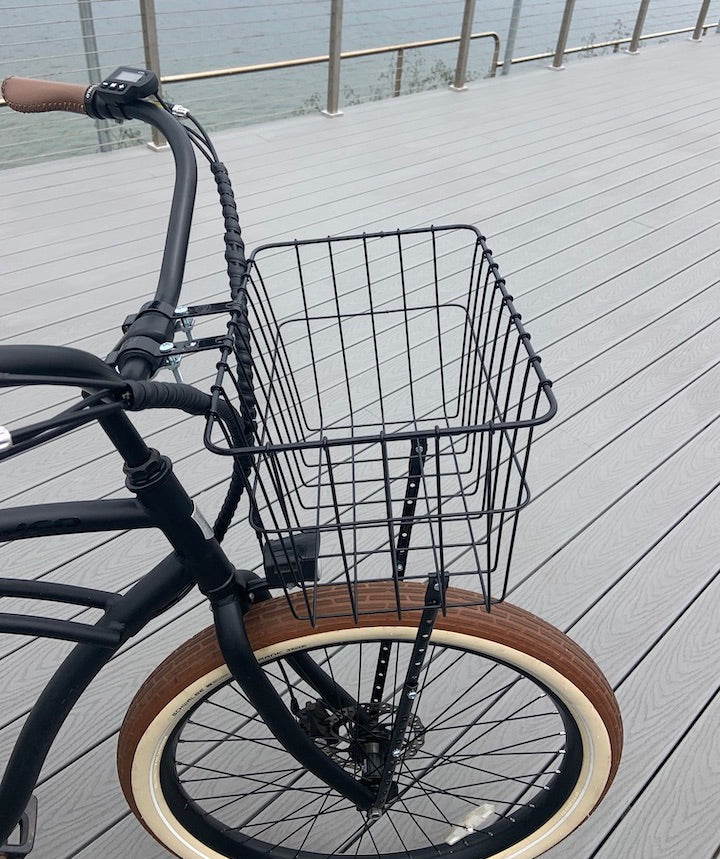
- Remove loose items. Take off baskets, drink holders, lights, or bells. These can fall off or get lost during transport.
- Check tire pressure. Slightly lower tire pressure (not flat) reduces bounce and helps your bike sit snugly in the rack.
- Inspect the frame and wheels. Look for cracks or loose parts. A secure bike is less likely to shift or get damaged on the road.
A common mistake is forgetting to remove accessories like handlebar mirrors or phone mounts. These can hit the car or rack and break. Keep these in your trunk until arrival.
Credit: www.towerelectricbikes.com
Choosing The Right Rack For Your Cruiser
Not all racks are equal, especially for cruisers. Consider these factors:
- Weight capacity: Beach cruisers can weigh 35-50 lbs. Make sure the rack can handle your bike’s weight.
- Tire width: Some racks only fit tires up to 2.2 inches. Check your cruiser’s specs and the rack’s tray width.
- Frame shape: Step-through or curved frames may need an adapter bar for racks with hanging arms.
- Security: Look for built-in locks or ways to add a cable lock for theft protection.
Here’s a quick comparison for popular rack features:
| Feature | Why It Matters | Best For |
|---|---|---|
| Wide trays | Fit fat tires | Beach cruisers, e-bikes |
| Frame adapter bar | Levels step-through frames | Women’s or low-slope cruisers |
| Anti-sway cradles | Stops side-to-side movement | Long drives, multiple bikes |
If you’re buying a new rack, bring your cruiser to the store. Test it in person if possible. If buying online, read reviews from other beach cruiser owners.
How To Put A Beach Cruiser On A Bike Rack: Step-by-step
The actual loading process depends on the rack type, but the goal is always the same: secure, stable, and no damage. Here’s how to do it right:
1. Position Your Vehicle And Rack
- Park on a level surface. This keeps the bike steady as you lift.
- Open your rack completely and make sure all straps, arms, and trays are ready.
- For trunk or hitch racks, unfold arms and check for any damage or missing parts.
2. Prepare The Cruiser
- Hold the bike at the center of the frame.
- If your cruiser is heavy, ask a friend for help. Lifting alone can lead to back injuries or dropped bikes.
3. Loading On A Hitch Or Trunk Rack
Most hitch and trunk racks use arms that cradle the bike frame.
- Lift the cruiser up by the frame’s strongest part (usually the top tube).
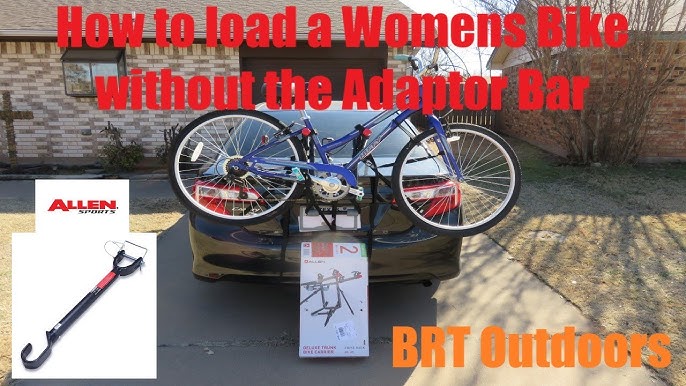
- Place the top tube onto the rack’s arms. If your bike has a step-through frame, use an adapter bar to create a straight top tube.
- Center the bike so the weight is balanced.
- Attach the rack’s straps or cradles. Tighten them firmly, but not so tight they crush the frame.
- Check if the front wheel swings. If so, use a bungee or Velcro strap to hold it straight.
Pro Tip: Many people forget to lock the bike’s wheels or pedals, leading to scratches or frame dings during travel.
4. Loading On A Roof Rack
Roof racks are less common for cruisers due to weight, but they can work if you’re strong enough.
- Open the rack’s trays and unlock the arms.
- Lift the bike overhead, keeping your back straight.
- Place both wheels in the trays. If your tires are too wide, you may need to deflate them slightly.
- Clamp the arm onto the down tube (not the handlebars or seat post).
- Tighten the wheel straps.
5. Final Checks
- Shake the bike gently. It should not wobble or shift.
- Double-check all straps, arms, and locks.
- Make sure nothing is blocking your car’s license plate or tail lights.
Common Challenges And Smart Solutions
Beach cruisers present a few extra challenges compared to other bikes:
Wide Tires Don’t Fit
If your tray or cradle doesn’t fit the tires, look for fat bike adapters. Many brands sell wider trays or replacement wheel holders. If you use these, follow the manufacturer’s weight guidelines closely.
Frame Doesn’t Sit Level
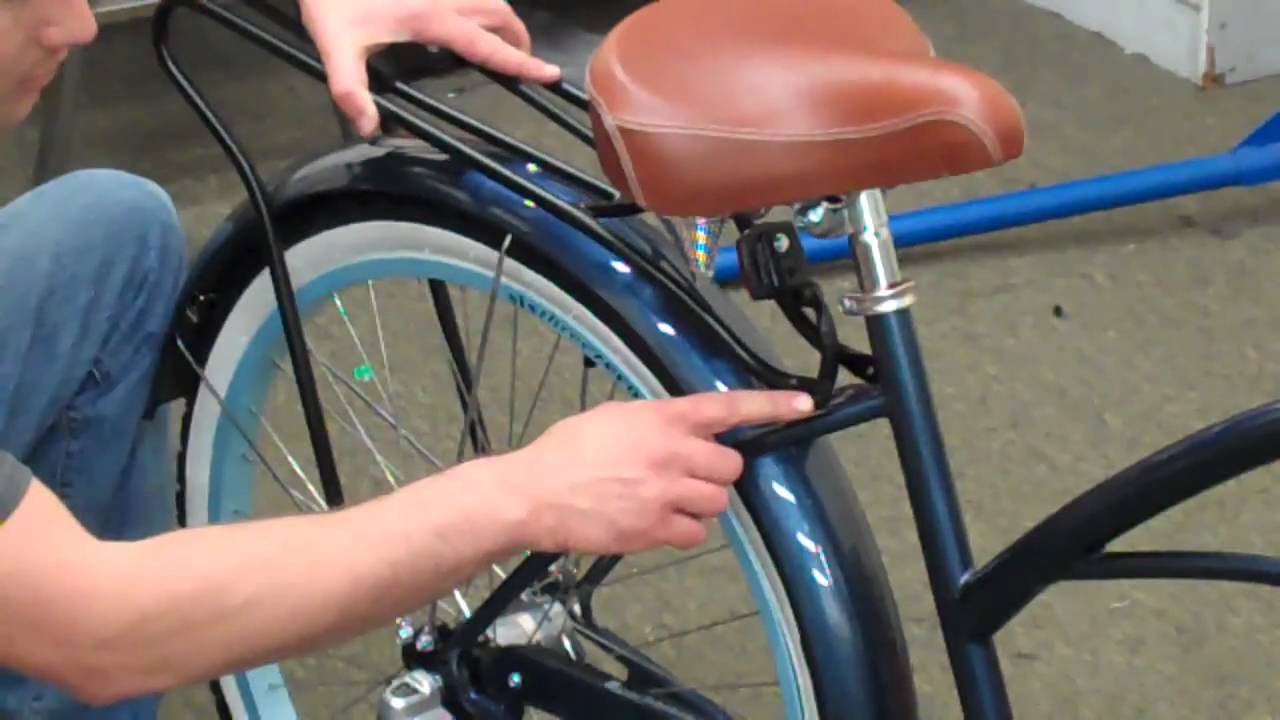
Curved or step-through frames often hang at an angle, which can cause the bike to sway or hit the car. An adapter bar can quickly solve this. It attaches between the seat post and handlebars, creating a straight, sturdy top tube for the rack to grip.
Heavy Weight
Some racks have a 35 lb limit per bike. If your cruiser is heavier, consider a platform-style hitch rack. These support the wheels instead of the frame and are much safer for big bikes.
Paint Damage
Foam or rubber pads are essential to protect your bike’s finish. If your rack’s padding is worn out, replace it or wrap the contact points with a soft towel for the trip.
Safety Tips For Transporting Beach Cruisers
- Use a secondary lock. Even if your rack has a built-in lock, add a cable lock through the frame and wheels for extra security.
- Check the bike and rack at stops. On long drives, straps can loosen from vibration. Tighten everything every few hours.
- Be mindful of overhang. Beach cruisers are long. Make sure the bike doesn’t stick out dangerously from the side or back.
- Avoid car washes. Remove the bike before entering any automatic car wash to prevent serious damage.
- Follow speed limits for bikes on racks. Many racks recommend driving under 70 mph when loaded.
Credit: www.youtube.com
Mistakes To Avoid
- Ignoring rack weight limits: Overloading can bend or break the rack, damaging your bike and car.
- Not using an adapter bar: Step-through frames can slip or hit the road if not properly supported.
- Failing to secure loose parts: Pedals, baskets, and mirrors can vibrate off on the highway.
- Mounting the bike backwards: Some racks only secure the bike if it faces a certain direction. Check the manual.
- Not checking local laws: Some states require your license plate to be fully visible. You might need a plate relocator if the rack blocks your plate.
Extra Tips For Beach Cruiser Owners
- If you transport bikes often, invest in a platform-style hitch rack with wide trays and anti-sway features. They are more expensive but last longer and are much safer for cruisers.
- For occasional use, trunk racks are fine, but always check the straps for wear and tear.
- Keep a small toolkit and extra straps in your car. Roadside repairs or adjustments are much easier if you’re prepared.
- If you’re unsure about installation, ask your local bike shop for a demo. Many offer this for free or a small fee.
When To Seek Professional Help
If you’re struggling with a heavy cruiser, wide tires, or an unusual frame, don’t risk damage or injury. Many bike shops will help you:
- Find the right rack for your specific model
- Install the rack and show you how to load the bike safely
- Suggest modifications or accessories (like adapter bars)
A small investment in expertise can save you from costly mistakes.
Frequently Asked Questions
How Do I Know If My Beach Cruiser Will Fit My Bike Rack?
Measure your tire width and frame shape. Most racks list maximum tire size and compatible frame types. If your cruiser has extra-wide tires or a step-through frame, look for racks with wide trays and consider an adapter bar.
Can I Use A Trunk Rack For My Heavy Beach Cruiser?
You can, but trunk racks have lower weight limits (usually 30-35 lbs per bike). Check your bike’s weight and the rack’s rating. If your cruiser is heavy, a hitch rack is safer and more stable.
What Is An Adapter Bar, And Do I Need One?
An adapter bar is a removable tube that connects between the seat post and handlebars, creating a straight top tube. It’s essential for step-through or curved frames to mount securely on racks with hanging arms.
Is It Safe To Leave My Cruiser On The Rack When Parked?
Never leave your bike unattended for long periods, even with locks. Bike racks deter but do not prevent theft. If you must leave it, use a strong cable lock through the frame and wheels, and park in a visible, well-lit area.
Where Can I Find More Information On Bike Rack Compatibility?
Check your bike and rack manuals for compatibility charts. For detailed guides and community advice, visit the Sheldon Brown cycling resource.
Taking the time to match your beach cruiser and bike rack properly can make the difference between a relaxing trip and a stressful one. With these steps and tips, you’ll be ready to transport your bike safely and confidently—every time you hit the road.
Credit: www.youtube.com