Securing your bike in a truck bed might look simple, but if you do it wrong, you risk damage to your bike, your truck, or even losing your bike on the road. Whether you’re heading out for a mountain adventure, a race, or just bringing your bike for a ride in the park, it’s important to know how to keep it safe during transport.
Many people think tossing a bike in the back and tying it with a bungee cord is enough. In reality, there are better methods that protect your investment and give you peace of mind.
This guide covers the most effective ways to secure a bike in a truck bed. It explains the best equipment, step-by-step processes, common mistakes to avoid, and tips for extra protection. By the end, you’ll know how to transport your bike confidently, avoid damage, and even choose the right method for your needs.
Understanding The Risks
Before you start, it’s essential to know what can go wrong if you don’t secure your bike properly. Unsecured bikes can slide around in the truck bed, causing scratches, bent wheels, or broken parts. Worse, a bike could bounce out of the truck, leading to accidents or loss. Even a small movement during transport can affect the gears, brakes, or frame.
Many truck beds are made of metal, which can easily scratch your bike’s paint or damage delicate parts. Also, if you’re carrying more than one bike, they can bang into each other, causing even more damage. Understanding these risks is the first step toward preventing them.
Essential Equipment For Securing A Bike
Not all equipment is created equal. Choosing the right tools makes a big difference in how secure your bike will be.
1. Tie-down Straps
Ratchet straps or cam buckle straps are the most reliable for keeping your bike stable. They are strong, adjustable, and easy to use. Avoid regular ropes or bungee cords, as they can stretch and come loose.
2. Fork Mounts
Fork mounts hold the front fork of your bike after you remove the front wheel. These mounts usually bolt onto the truck bed and give solid support.
3. Wheel Chocks
Wheel chocks keep the wheels from rolling. They are especially helpful if you want to secure multiple bikes or if your truck bed is slippery.
4. Tailgate Pads
Tailgate pads are thick, padded covers that hang over your tailgate. You place the front wheel of your bike over the pad, which protects both the bike and the truck.
5. Bed Racks
Truck bed bike racks are made to hold one or more bikes upright, often using the front fork or the wheel. They can be temporary or permanent.
6. Soft Padding
Use towels, blankets, or foam to protect the bike’s frame and the truck bed from scratches.
A combination of these items ensures the safest transport. Don’t underestimate the value of good equipment—it often costs less than repairing a damaged bike.
Step-by-step Methods To Secure Your Bike
There are several proven methods, each with its benefits. Choose the one that fits your needs, budget, and how often you transport your bike.
Method 1: Using Tie-down Straps
- Position the Bike: Place your bike upright in the truck bed, near the side closest to the cab. This reduces wind resistance and prevents the bike from moving too much.
- Protect the Frame: Wrap a towel or foam around the frame where the straps will touch.
- Anchor the Straps: Hook one end of the strap to an anchor point in the truck bed (like a D-ring or cleat).
- Secure the Frame: Loop the strap around the bike frame, avoiding the wheels and chain. Pull the strap tight, but not so tight that it bends the frame.
- Double-Check: Test by pushing the bike gently. It should not slide or tip.
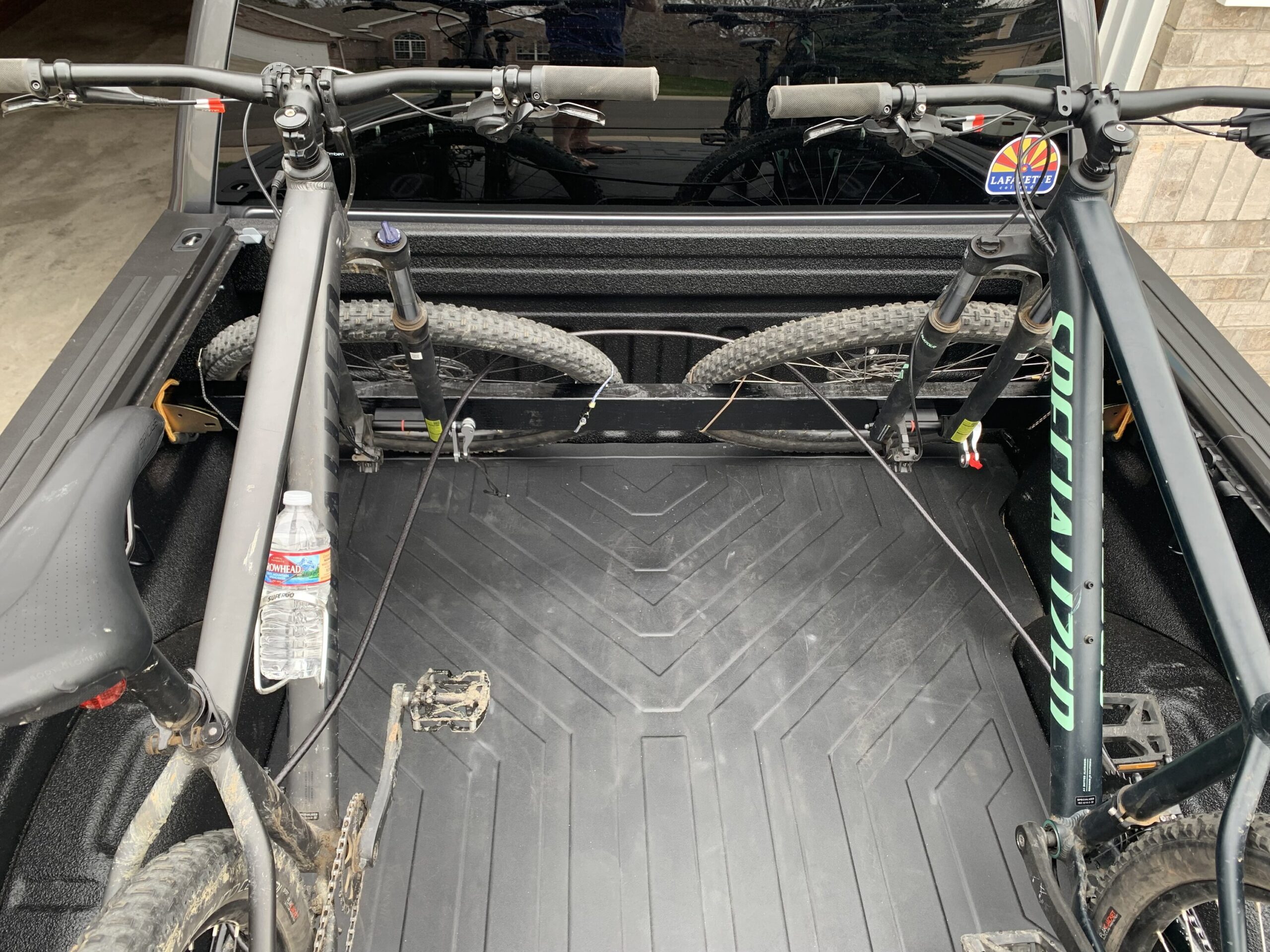
Method 2: Fork Mounts
- Remove the Front Wheel: Use a quick-release lever or a wrench.
- Attach the Fork Mount: Most fork mounts bolt to the truck bed or a rack.
- Mount the Bike: Insert the fork into the mount and lock it.
- Secure the Rear Wheel: Use a strap or Velcro to keep the rear wheel stable.
- Store the Front Wheel: Place it safely in the bed, or use a separate mount.
This method is the most stable and is used by many professionals.
Method 3: Tailgate Pad
- Install the Pad: Drape the tailgate pad over your open tailgate and secure the straps.
- Position the Bike: Roll the front wheel over the pad, so the fork sits on the outside and the rear wheel is inside the bed.
- Strap the Bike: Use built-in Velcro straps or additional tie-downs to hold the bike in place.
This method is fast, doesn’t require removing the wheel, and protects both the bike and the truck.
Method 4: Bed Rack
- Install the Rack: Place the rack inside the truck bed, following the manufacturer’s instructions.
- Mount the Bike: Depending on the rack, either secure the fork or the wheel.
- Check Stability: Make sure the bike doesn’t wobble or shift.
Bed racks are best for carrying multiple bikes or for frequent use.
Method 5: Diy Methods
If you don’t have special equipment, you can still secure your bike with some creativity.
- Use heavy-duty straps and anchor points.
- Place the bike sideways, with the wheels against the truck bed walls.
- Add padding between the bike and the bed.
- Tie the bike at two points: One near the handlebars, one near the seat.
Warning: These methods are less secure. Use them only for short trips or if nothing else is available.
Comparing Popular Methods
Here’s a quick comparison of the most common ways to secure a bike in a truck bed:
| Method | Security | Ease of Use | Cost | Protection |
|---|---|---|---|---|
| Tie-Down Straps | Good | Easy | Low | Fair |
| Fork Mounts | Excellent | Moderate | Medium | Excellent |
| Tailgate Pad | Good | Very Easy | Medium | Good |
| Bed Rack | Excellent | Moderate | High | Excellent |
| DIY (Straps + Padding) | Fair | Moderate | Low | Low |
Credit: urgasa.com
Tips For Extra Security
If you want to go beyond the basics, there are several ways to make your bike even safer.
Use A Lock
Even with the best mounting method, your bike is still at risk from theft. A U-lock or strong cable lock can be used to attach the frame to a fixed point in the truck bed.
Cover Your Bike
A bike cover protects against rain, dust, and sun. It also hides your bike from curious eyes, reducing the chance of theft.
Remove Valuables
Take off any bike computers, lights, or water bottles before transport. These small items can easily fall off or attract thieves.
Check Local Laws
Some areas have rules about how loads must be secured in trucks. Check your local laws to avoid fines.
Do A Final Walkaround
Before you drive, walk around your truck and check all straps, locks, and mounts. Tug on the bike to be sure it’s secure.
Common Mistakes To Avoid
Many people make simple mistakes that can ruin their trip or cost them money.
- Using weak bungee cords: These can stretch or snap, sending your bike flying.
- Forgetting padding: The frame can rub against the truck bed, causing paint to chip.
- Not double-checking straps: Even good straps can come loose if not checked properly.
- Over-tightening: Too much tension can bend the bike’s frame or damage components.
- Ignoring weather: Rain and sun can harm your bike during transport. Always be prepared.
- Blocking your view: Placing the bike where it blocks mirrors or the rear window is dangerous.
Avoid these mistakes for a smoother, safer trip.
Credit: www.youtube.com
Special Cases: Multiple Bikes And E-bikes
Securing Multiple Bikes
Transporting more than one bike adds complexity. Bikes can tangle or rub against each other, causing damage. Use separate tie-down points, add padding between bikes, and consider a dedicated truck bed rack built for multiple bikes.
Transporting E-bikes
E-bikes are heavier and often have special frames. Use strong straps or racks rated for extra weight. Remove the battery if possible, and never hang the bike by the wheel unless the rack is designed for that purpose.
Weather Protection And Long-distance Tips
Long trips and bad weather require extra care. Rain can rust parts, while heat can damage tires or electronics. Use a waterproof cover, and check your bike at every stop. On long drives, re-tighten straps, as vibrations can loosen them over time.
Here’s a look at how different weather can affect your bike during transport:
| Weather | Risks | Protection Tips |
|---|---|---|
| Rain | Rust, slippery bed | Use bike cover, dry after trip |
| Heat | Tire pressure changes | Check tires, avoid long sun exposure |
| Snow/Ice | Frozen parts, slippery | Cover bike, remove battery (e-bikes) |
| Strong Wind | Bike moves, increased drag | Extra straps, face bike forward |
Credit: www.reddit.com
Non-obvious Insights To Remember
- Anchor Points Matter: Many trucks have built-in anchor points, but their location can make a difference. Anchor near the bike’s heaviest part (usually the bottom bracket) for the best stability.
- Truck Bed Liners Help: If your truck has a rubber bed liner, it reduces slipping and scratches. If not, add a cheap mat or even a yoga mat under the bike for extra grip.
When To Upgrade Your Setup
If you transport your bike often or carry expensive bikes, investing in a dedicated bed rack or fork mount system is wise. These setups pay off by preventing costly damage. For occasional users, tie-down straps and a tailgate pad may be enough.
Frequently Asked Questions
How Many Bikes Can I Safely Carry In A Truck Bed?
Most standard truck beds can carry two to four bikes side by side. Use padding and separate tie-down points for each bike to avoid damage. For more than four, consider a specialized rack.
Do I Need To Remove My Bike’s Wheels To Secure It?
You don’t always need to remove the wheels. Fork mount racks require removing the front wheel, but tie-down straps and tailgate pads allow you to keep both wheels attached.
Is It Safe To Transport A Carbon Frame Bike In A Truck Bed?
Yes, but use extra padding and avoid over-tightening straps. Carbon frames are strong but can be damaged by point pressure or hard impacts.
Can I Use Bungee Cords Instead Of Straps?
It’s not recommended. Bungee cords can stretch or break under load, making them unreliable. Use ratchet or cam buckle straps for better security.
Where Can I Find High-quality Truck Bed Racks?
You can research and buy quality racks at major retailers and from bike accessory specialists. For more information, check the REI car rack guide.
Securing your bike in a truck bed does not have to be complicated, but it does demand attention to detail. By using the right equipment, following proven methods, and avoiding common mistakes, you can travel with confidence. Protect your bike, your truck, and your peace of mind every time you hit the road.