Storing your bike outside is sometimes the only option, especially if you live in an apartment, have limited indoor space, or own multiple bikes. But leaving your bike exposed to the elements can damage it quickly. Rain, sun, dirt, and even thieves are all threats to your bike’s condition and security. The good news: with the right strategies, you can keep your bike safe, dry, and ready to ride even when it lives outdoors.
This article covers everything you need to know about how to store a bike outside—from choosing the right cover to preventing rust and deterring theft. Whether you’re new to cycling or a city commuter, these practical tips will help you protect your investment.
Why Outdoor Bike Storage Needs Special Attention
Bikes are designed for outdoor use, but not for long-term exposure. Rain causes rust on chains and bolts. Sun fades paint and weakens tires. Humidity and dirt can corrode moving parts. And, of course, bikes stored outside are more attractive to thieves.
If you plan to store your bike outside for more than a few hours, you must take extra steps to prevent damage and loss.
Choosing The Best Location
Where you put your bike matters as much as how you cover it. Here are important points to consider:
- Shelter: Place your bike under a roof, awning, or balcony if possible. Even partial cover reduces rain and sun exposure.
- Visibility: Choose a spot that is visible from your home or street. Thieves prefer hidden areas.
- Ground Surface: Avoid grass or dirt. These hold moisture and speed up rust. Solid ground like concrete is best.
A small shift in location can make a big difference in your bike’s lifespan.

Credit: grupoavanti.cl
Using A Quality Bike Cover
A bike cover is your first line of defense. Not all covers are equal. Here’s what to look for:
- Waterproof Material: Choose heavy-duty polyester with taped seams. Thin plastic tears quickly.
- UV Protection: Sun can crack tires and fade paint. UV-resistant material helps prevent this.
- Ventilation: Covers with vents reduce condensation, which can cause hidden rust.
Here’s a comparison of popular bike cover materials:
| Material | Waterproof | UV Protection | Durability |
|---|---|---|---|
| Polyester (Heavy-Duty) | Excellent | Good | High |
| Plastic Tarpaulin | Good | Poor | Low |
| Canvas | Moderate | Excellent | High |
A good cover costs between $20–$40 and can double the life of your bike.
Locking Your Bike Securely
Security is critical. Outdoor bikes are easy targets for theft. You need more than a basic cable lock.
- U-locks are much harder to cut than cable locks.
- Secure both the frame and a wheel to an immovable object like a metal fence or bike rack.
- Use a second lock or cable to secure the other wheel.
Check out this security comparison:
| Lock Type | Security Level | Weight | Price Range |
|---|---|---|---|
| U-Lock | High | Heavy | $40–$100 |
| Cable Lock | Low | Light | $10–$30 |
| Chain Lock | Medium | Medium | $30–$80 |
For long-term outdoor storage, always use the strongest lock you can afford.
Keeping Your Bike Dry And Clean
Moisture causes most problems with outdoor storage. Here’s how to keep your bike dry:
- Wipe Down Regularly: Use a clean cloth to remove water after rain.
- Lubricate the Chain: Apply bike-specific lube monthly, or more often in wet climates.
- Check for Rust: Look under the seat, on bolts, and on the chain. Early rust is easier to remove.
A simple habit, like wiping your bike after a storm, prevents expensive repairs later.
Protecting Components From Weather
Some parts of your bike are more vulnerable than others. Pay attention to:
- Saddle: Water can soak into foam and ruin it. Use a saddle cover or plastic bag.
- Cables: Lubricate gear and brake cables to stop them from sticking.
- Tires: Keep tires off cold ground in winter. Inflate them monthly to prevent flat spots.
Experienced cyclists often remove their seat and take it indoors—this is an easy way to extend its life.
Covering Extra Steps For Long-term Storage
If you won’t ride for weeks or months, take extra measures:
- Remove bike accessories (lights, computers, pumps) and store them inside.
- Release some air from tires to prevent cracks, but do not deflate fully.
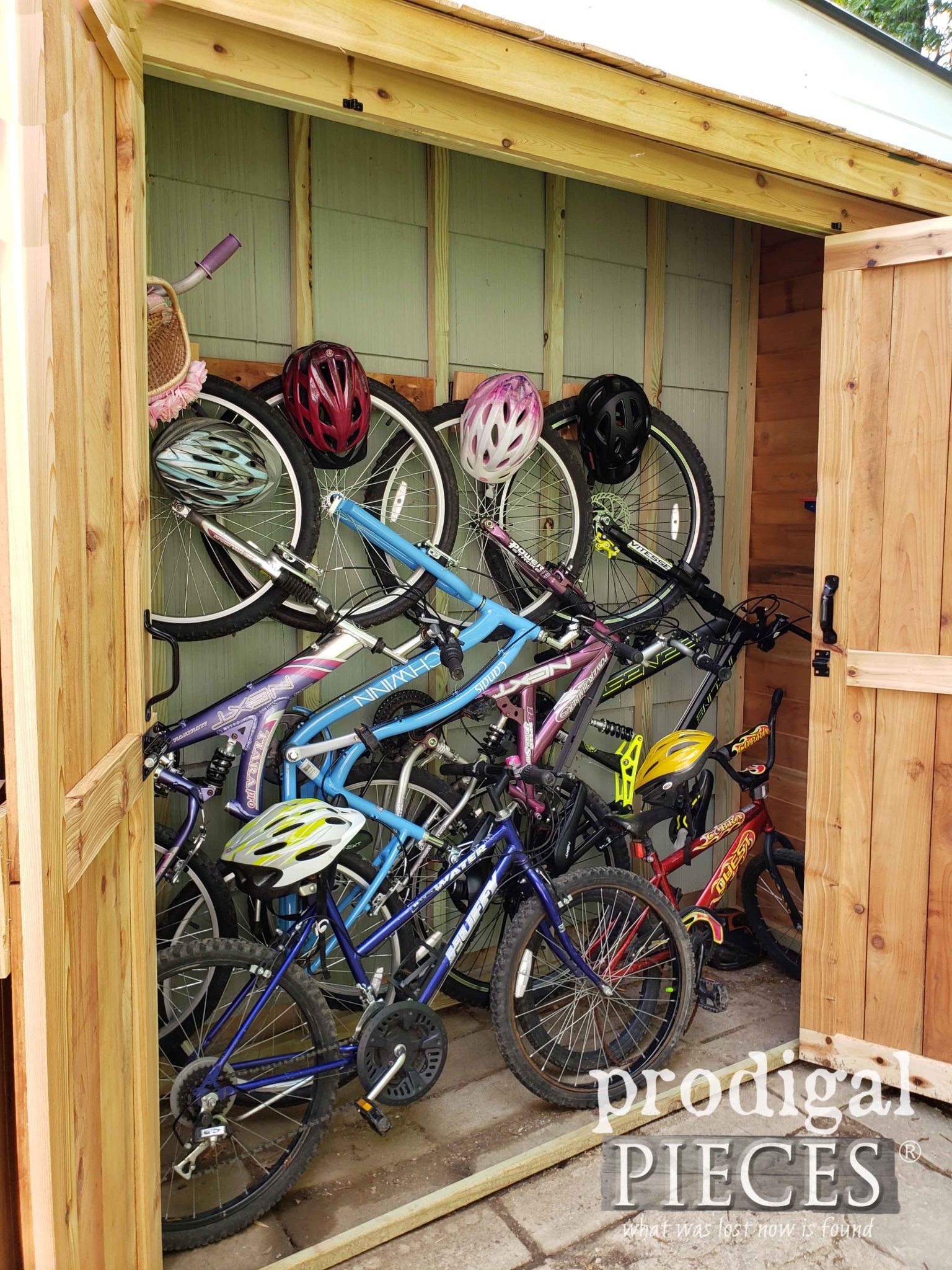
- Consider a small outdoor bike shed for maximum protection.
Here are the pros and cons of three common outdoor bike storage solutions:
| Option | Protection Level | Security | Cost |
|---|---|---|---|
| Bike Cover Only | Basic | Low | Low |
| Bike Tent/Shed | High | Medium | Medium |
| DIY Shelter | Medium | Medium | Low–Medium |
Non-obvious Tips Most Beginners Miss
- Face the chain away from rain and wind: If you can, park the bike so the drivetrain is shielded. This reduces water and dirt on your chain.
- Check local rules: Some buildings or cities have restrictions on outdoor bike storage. Always confirm before you set up a permanent spot.

Credit: arbetarcentrum.nu
What To Avoid
- Never cover your bike with a tarp that touches the ground on all sides. This traps moisture.
- Don’t leave your bike under trees. Falling sap and bird droppings are hard to clean and can damage paint.
When Outdoor Storage Is Not Enough
If you must store your bike outside for years, consider investing in a purpose-built bike shed. These small structures protect from weather and theft better than any cover. They often cost $200–$500 but can save you much more in repairs or replacement.
For more about outdoor bike storage safety and regulations, check official cycling guides at San Francisco Bicycle Coalition.
Storing your bike outside does require more effort, but with these steps, you can keep your ride safe, clean, and ready for any adventure.
Credit: dumin.org
Frequently Asked Questions
How Can I Prevent My Bike From Rusting Outside?
Keep your bike covered with a waterproof, ventilated cover. Wipe it dry after rain, lubricate the chain, and check regularly for early signs of rust.
Is It Safe To Store A Bike Outside In Winter?
Yes, if you use a quality cover, keep the bike clean, and check tire pressure. In very cold climates, keep tires off frozen ground and remove sensitive accessories.
What Is The Best Type Of Lock For Outdoor Bike Storage?
A heavy-duty U-lock is best. Secure the frame and at least one wheel to a fixed object. Use a second lock for extra protection if you can.
Can I Use A Regular Plastic Tarp As A Bike Cover?
It’s better than nothing, but not ideal. Plastic tarps can trap moisture and are easily blown away or torn. Choose a cover designed for bikes for best results.
How Often Should I Check My Outdoor-stored Bike?
Inspect your bike at least once a week. Look for signs of rust, damage, or tampering. Lubricate moving parts monthly, or more often in wet climates.