Figuring out how many speeds a bike has can seem confusing, especially if you’re new to cycling or you haven’t looked closely at the gears before. Many people buy a bike without really knowing what “21-speed” or “18-speed” actually means.
Some even think more speeds always mean a better bike, which isn’t true. Understanding your bike’s speeds helps you ride better, fix problems, and choose the right bike in the future. This article will break down everything you need to know, with clear steps, practical tips, and real examples.
What Does “speeds” Mean On A Bike?
When people talk about a bike’s “speeds,” they are really talking about the number of possible gear combinations. These combinations come from two sets of gears: the ones by your pedals (called chainrings) and the ones at the back wheel (cogs or sprockets on the cassette or freewheel).
For example, a “21-speed” bike means the bike has 3 chainrings at the front and 7 cogs at the back. Multiply 3 x 7 and you get 21 possible gear combinations. But not all combinations are actually useful or used in real riding, as you’ll see later.
Why Bike Speeds Matter
The number of speeds affects how easily you can pedal on different terrain. More speeds can mean:
- Smoother shifting between gears
- Easier climbing on hills
- More options for flat or downhill riding
But a high number of speeds does not always mean a better bike. Sometimes, fewer speeds are actually easier to use and maintain, especially for beginners or city riders.
Understanding Bike Gear Components
Let’s look at the main parts that decide your bike’s speeds:
- Front chainrings: These are the big gears near your pedals. Some bikes have just one (called a single chainring), but many have two or three.
- Rear cogs (cassette or freewheel): These are the smaller gears attached to the back wheel. A typical range is 5 to 12 cogs.
- Shifters: Levers or twist grips on the handlebars that move the chain from gear to gear.
- Derailleurs: Devices that guide the chain between gears.
If you want to know your bike’s speeds, you need to count the chainrings and cogs.
How To Tell How Many Speeds A Bike Has
Here’s a simple, step-by-step way to figure out your bike’s speeds:
Step 1: Check The Front Chainrings
Stand by your bike and look at the gears near the pedals. Count how many separate chainrings (the large round gear wheels) you see.
- Most road bikes have 2 or 3
- Many mountain bikes have 1, 2, or 3
- City or kids’ bikes often have just 1
Tip: It’s easiest to count when you’re right next to the bike, as the chainrings are stacked close together.
Step 2: Count The Rear Cogs
Move to the back wheel. Look at the gear cluster (the cassette or freewheel). Count how many separate cogs are there.
- Older bikes often have 5, 6, or 7 cogs
- Modern bikes may have 8, 9, 10, 11, or even 12 cogs
Tip: You may need to crouch down or gently spin the pedals so you can see each cog clearly.
Step 3: Multiply To Find Total Speeds
Multiply the number of front chainrings by the number of rear cogs. That’s your bike’s “speeds. ”
- Example: 2 chainrings x 8 cogs = 16-speed bike
- Example: 3 chainrings x 7 cogs = 21-speed bike
- Example: 1 chainring x 12 cogs = 12-speed bike
Step 4: Check For Single-speed Or Internal Hub
Not all bikes use the system above. Some bikes are single-speed (just one gear, no shifting). Others use internal gear hubs with gears hidden inside the back wheel.
- If your bike has only one chainring and one rear cog, and no shifters, it’s a single-speed.
- If you see a big hub in the back wheel, with no visible cassette, your bike might have internal gears (often 3, 5, or 7 speeds).
Real-world Examples
It can help to see how this works in real life. Here are some common bikes and their speed setups:
| Bike Type | Front Chainrings | Rear Cogs | Total Speeds | Notes |
|---|---|---|---|---|
| Hybrid/City Bike | 1 | 7 | 7 | Simple, easy to use |
| Entry-Level Road Bike | 2 | 8 | 16 | Good for beginners |
| Modern Mountain Bike | 1 | 12 | 12 | Wide gear range |
| Classic Road Bike | 2 | 5 | 10 | Older models |
| Single-Speed | 1 | 1 | 1 | No gear shifting |
Not All Gear Combinations Are Useful
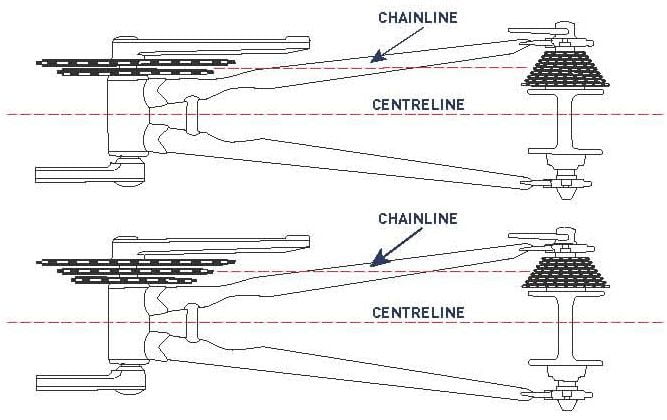
Even if your bike is labeled “21-speed,” you might not actually use all 21 gears. Some combinations cause the chain to stretch awkwardly (called cross-chaining), which can wear out your bike faster.
- For example, using the smallest front chainring with the smallest rear cog, or the largest front with the largest rear, can put the chain at an extreme angle.
- Most riders use the middle range of gears most often.

Credit: www.youtube.com
How To Check Speeds Without Counting
Sometimes, you can find out your bike’s speeds without counting gears directly:
- Look for stickers or markings: Some bikes have a sticker with the number of speeds.
- Check the shifters: Many shifters have numbers. If the left shifter shows “1, 2, 3,” you have 3 chainrings. If the right shows “1” to “7,” you have 7 rear cogs.
- Read the owner’s manual: If you still have it, the manual usually lists the gear setup.
Why Do Some Bikes Have Fewer Speeds?
Modern bikes, especially mountain and gravel bikes, sometimes use just one chainring at the front and 10, 11, or 12 cogs at the back. This is called a 1x drivetrain (“one-by”). It’s simpler, lighter, and easier to maintain. Fewer speeds can also mean:
- Less chance of the chain falling off
- Easier shifting (no need to think about the front gears)
- Less maintenance
But for some riders—like those who do long road rides or need a very wide range of gears—more speeds can still be useful.

Credit: www.haircareclinic.net
Visual Clues To Identify Bike Speeds
If you’re not sure how to count or your bike is dirty, there are a few quick visual checks:
- Single front chainring: One gear by the pedals usually means 1x drivetrain or single-speed.
- Two shifters: Most geared bikes have two gear shifters, one for the front and one for the back.
- Twist shifters: Sometimes marked with numbers that match the number of cogs or chainrings.
- Hub size: A larger rear hub often means internal gears.
How Gear Ratios Affect Your Ride
Just knowing the number of speeds isn’t everything. What really matters is the gear range—how easy or hard each gear is to pedal.
- Gear ratio is the number of teeth on the front chainring divided by the number on the rear cog.
- Smaller ratios are easier for climbing hills.
- Larger ratios are better for speed on flat roads.
Here’s a simple comparison of gear ranges:
| Gear Setup | Lowest Gear Ratio | Highest Gear Ratio | Best For |
|---|---|---|---|
| 1×12 MTB | 28/50 (0.56) | 28/10 (2.8) | Steep climbs, trails |
| 2×8 Road | 34/28 (1.21) | 50/11 (4.54) | Mixed roads |
| 3×7 Hybrid | 28/34 (0.82) | 48/12 (4.00) | City, light hills |
Non-obvious insight: Two bikes with the same “number of speeds” can feel very different to ride if the chainrings and cogs have different numbers of teeth.
Common Mistakes When Counting Bike Speeds
Many beginners make some simple mistakes:
- Counting the wrong cogs: Sometimes, dirt or grease hides a cog, so you might miss one.
- Assuming more speeds is always better: More gears can mean more weight, more maintenance, and more confusion.
- Not checking both front and rear: Some people only count one or the other.
Non-obvious tip: Internal gear hubs are silent and invisible, so always check for a large back hub if you can’t see rear cogs.
Why Manufacturers List “speeds” This Way
Bike makers multiply the front and rear gears to advertise the total number of speeds. It sounds impressive, but as you’ve learned, the actual riding experience depends more on gear range and how you use the gears.
- More speeds once meant smoother riding and more options.
- Today, modern bikes with fewer gears can shift smoother and be lighter than older bikes with more gears.
How To Choose The Right Number Of Speeds
When buying a bike, think about your real needs:
- City riding: 1 to 7 speeds is often enough. Fewer gears mean less maintenance.
- Mountain biking: 10–12 speeds at the back (often 1x system) give you a wide range for tough climbs.
- Road biking: 16–22 speeds (2×8 to 2×11) help you find the perfect gear for any hill or flat.
- Kids’ bikes: Often 1 to 6 speeds. Simple is better for learning.
Frequently Asked Questions
Credit: bike.bikegremlin.com
How Can I Quickly Tell How Many Speeds My Bike Has?
The fastest way is to count the number of front chainrings and rear cogs. Multiply them. For example, 2 chainrings and 8 cogs equals 16 speeds. If you have only one of each, it’s a single-speed. Sometimes, shifters have numbered markings that help you count.
Does More Speeds Mean A Faster Bike?
Not always. More speeds give you more gear choices, but they don’t guarantee a faster ride. Your speed depends more on your fitness, the bike’s weight, and the terrain. A lighter bike with fewer, well-chosen gears can be faster than a heavy bike with many gears.
Can I Upgrade My Bike To Have More Speeds?
Sometimes. Upgrading usually means changing the cassette, chain, shifters, and derailleurs. It can be expensive and tricky, especially on older bikes. Sometimes, it’s better to buy a new bike if you need many more speeds.
What Is Cross-chaining And Why Should I Avoid It?
Cross-chaining happens when the chain is at an extreme angle, like using the largest front gear and largest rear gear at the same time. This causes extra wear and can make shifting rough. It’s best to use middle gears for smooth riding.
Where Can I Learn More About Bike Gears And Maintenance?
A great resource for deeper learning is the Wikipedia page on bicycle drivetrain systems. It explains types of gear systems, maintenance tips, and more.
Knowing how many speeds your bike has is more than just a number—it helps you ride smarter, maintain your bike better, and pick the right bike for your needs. Next time you look at a bike, you’ll know exactly what those “speeds” mean and how to find them.
Happy riding!