Transporting your bike on a car opens up new adventures. Whether you want to ride in the countryside, join a cycling event, or move to a new city, carrying your bike safely matters. Many beginners worry about damaging their bike or car, or even breaking the law. The good news is, with the right tools and methods, you can move your bike without stress. This guide explains everything you need to know about how to transport a bike on a car—from equipment choices to step-by-step loading, security, and travel tips. You’ll also find answers to common questions at the end.
Main Ways To Transport A Bike On A Car
There are three main ways to carry a bike with your car. Each has its own advantages, costs, and challenges. Understanding these options helps you choose the best one for your needs.
1. Roof-mounted Bike Racks
A roof rack carries your bike on top of the car. These racks attach to crossbars on your car’s roof.
Pros:
- Keeps trunk free for luggage.
- Works for most cars with roof rails.
- Can carry multiple bikes (often 2–4).
Cons:
- Lifts bike high—harder for shorter people.
- Increases car height (watch for low bridges, parking garages).
- Slightly reduces fuel efficiency.
Who should use: Frequent travelers, families, or those with small cars but sturdy roofs.
2. Trunk-mounted Bike Racks
These racks strap to the back of your car (hatch, trunk, or sedan). They are popular because they are affordable and easy to install.
Pros:
- Lower cost.
- Simple to attach and remove.
- No need for roof bars.
Cons:
- Can block rear view and license plate.
- Fits fewer bikes (usually up to 3).
- May scratch car paint if not padded well.
Who should use: Occasional cyclists, renters, or anyone on a budget.
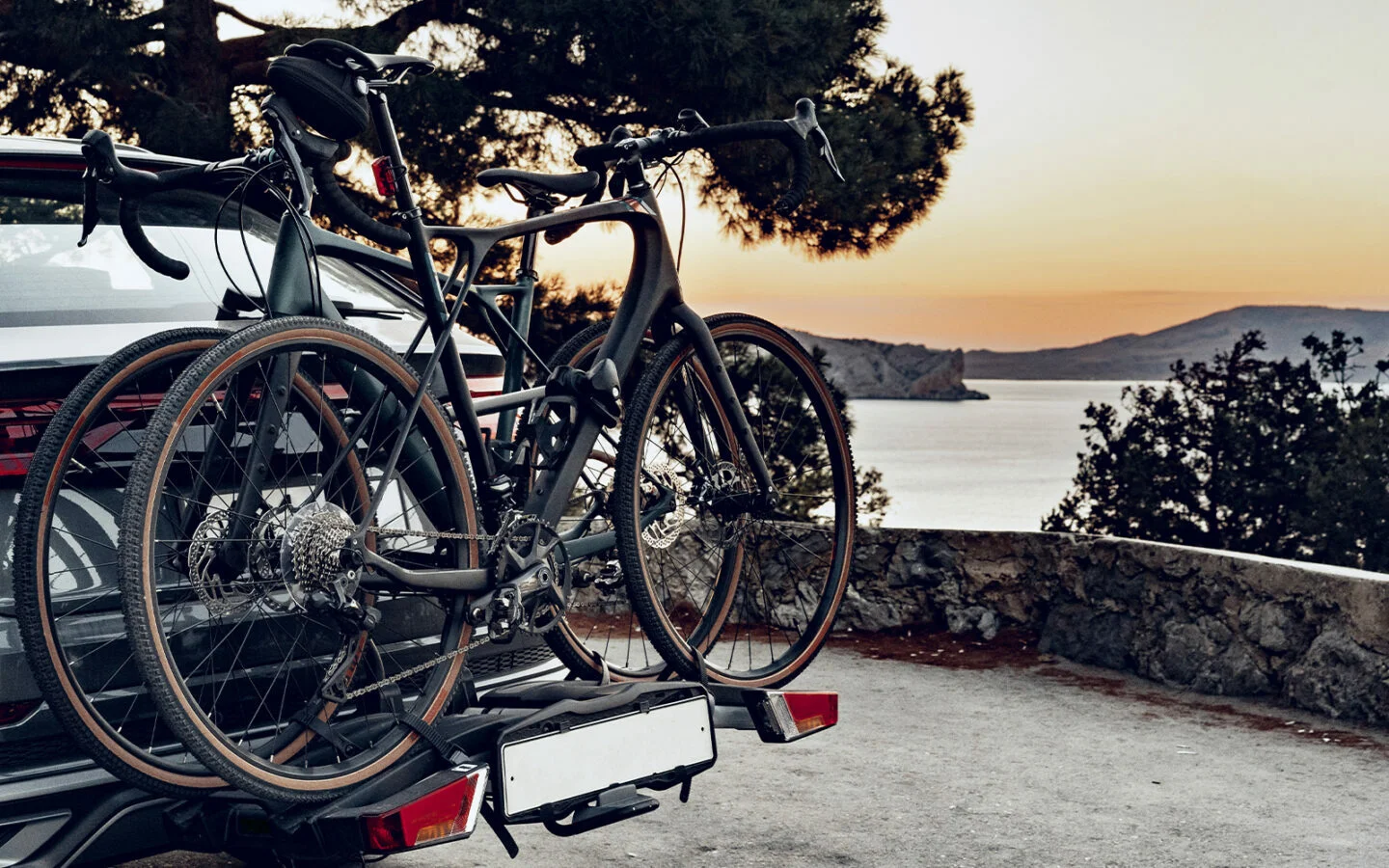
3. Hitch-mounted Bike Racks
These racks fit into the trailer hitch receiver at the back of your car.
Pros:
- Very stable, holds 2–5 bikes.
- Easy loading (no lifting over your head).
- Good for heavy or electric bikes.
Cons:
- Requires a hitch receiver (not on all cars).
- More expensive.
- Blocks trunk access unless rack tilts or swings away.
Who should use: Families, frequent riders, or those with SUVs or trucks.
4. Inside The Car
Some people carry their bikes inside the car, especially in larger vehicles with foldable seats.
Pros:
- Protects bike from weather and theft.
- No extra equipment needed.
Cons:
- Takes up passenger or cargo space.
- Can get dirt or grease inside your car.
Who should use: People with vans, station wagons, or when only one bike is transported.
How To Choose The Right Bike Rack For Your Car
Choosing the best rack depends on your car, bike type, budget, and travel plans. Consider these factors before buying.
Car Compatibility
- Roof racks need roof rails or crossbars. Not all cars have these.
- Trunk racks fit most sedans and hatchbacks, but not every model. Check the rack’s fit guide.
- Hitch racks require a hitch receiver (usually 1.25″ or 2″ size).
Bike Frame Compatibility
Some racks don’t fit all bikes. For example, women’s bikes, kids’ bikes, or mountain bikes with non-standard frames may need special adapters.
Number Of Bikes
If you want to carry more than two bikes, hitch or roof racks are better choices.
Security
Some racks have built-in locks for both bike and rack. Theft is rare but can happen, especially in cities or rest stops.
Budget
Prices vary:
- Trunk racks: $50–$150
- Roof racks: $100–$300 (plus crossbars if needed)
- Hitch racks: $150–$500
Here is a quick comparison:
| Rack Type | Price Range | Bikes Carried | Security | Ease of Use |
|---|---|---|---|---|
| Trunk | $50–$150 | 1–3 | Low | Easy |
| Roof | $100–$300 | 1–4 | Medium | Moderate |
| Hitch | $150–$500 | 2–5 | High | Easy |
Step-by-step: Loading Your Bike Safely
Once you pick your method, loading the bike correctly is vital. Mistakes here can damage your car, bike, or even cause accidents.
Roof Rack Loading
- Check rack stability before lifting your bike.
- Remove front wheel if your rack requires it (common for fork-mount racks).
- Lift bike over your head—ask for help if it’s heavy.
- Secure both wheels and frame using provided straps or clamps.
- Tug on the bike to check it’s locked in place.
- Double-check height clearance before driving.
Trunk Rack Loading
- Position the rack as per instructions; all straps should be tight.
- Place bike on arms so weight is balanced.
- Fasten the top, bottom, and side straps tightly.
- Secure frame and wheels with extra straps if needed.
- Check visibility—your license plate and lights must not be blocked.
Hitch Rack Loading
- Insert rack into hitch receiver and lock with the pin.
- Open the arms or trays of the rack.
- Lift bike onto the rack, usually by the wheels.
- Lock down frame clamps or wheel holders as per design.
- Test by shaking the bike gently to ensure it’s solid.
Inside Car Loading
- Fold down rear seats to make space.
- Remove front wheel to reduce bike size.
- Cover the floor with a blanket to protect from dirt and scratches.
- Lay the bike carefully, chain side up to avoid damage.
- Use bungee cords if needed to stop movement during travel.
Tips To Protect Your Bike And Car
Many riders overlook small details that can prevent big problems.
- Clean your bike before loading. Mud can scratch paint and attract thieves.
- Pad contact points (where rack touches car or bike) with foam or cloth.
- Use frame protectors if carrying carbon or expensive bikes.
- Lock your bike to the rack, especially at rest stops.
- Cover your bike with a weatherproof cover during rain or long highway drives.
- Check rack tightness after every long drive or bumpy road.
Legal And Safety Issues
Transporting a bike on a car is usually legal, but there are rules to follow:
- License plate and lights must be visible. If your bike or rack blocks them, use a lighting board.
- Do not exceed rack or car weight limits. Check your car manual.
- Obey speed limits. With a bike on the roof, avoid sudden stops or sharp turns.
Some countries and states require extra lights or warning signs for rear-mounted loads. Always check local laws before traveling.
Common Mistakes And How To Avoid Them
- Ignoring rack instructions. Each rack is different. Read the manual, even if you have used racks before.
- Not checking clearances. Roof bikes can hit low garages or fast-food drive-throughs.
- Overloading the rack. Stick to the number and weight of bikes listed.
- Leaving loose items on the bike. Remove water bottles, pumps, and bags—they can fly off.
- Forgetting to re-tighten straps. Straps can loosen after hours of driving.
Credit: www.siroko.com
Special Cases: Transporting E-bikes, Fat Bikes, And Tandems
- E-bikes are heavier; use a hitch rack rated for their weight.
- Fat bikes (with very wide tires) may need special trays or adapters.
- Tandems (long bikes) often require roof racks or custom solutions.
If you’re unsure, check your rack’s manual or ask a local bike shop.
Long-distance Travel: Extra Preparation
For trips over 100 miles, plan ahead:
- Check weather forecasts. Rain or snow can damage bikes.
- Bring extra straps or bungees. Vibration can loosen straps.
- Stop every 2–3 hours to inspect your rack and bike.
- Bring a small tool kit for quick repairs.

Credit: www.provelo.org
Comparing Popular Bike Rack Brands
Choosing a reliable brand can save you headaches. Here’s a quick look at some well-known options:
| Brand | Type | Price Range | Notable Features |
|---|---|---|---|
| Thule | Roof, Hitch, Trunk | $$–$$$ | Strong build, many accessories |
| Saris | Trunk, Hitch | $–$$ | Lightweight, easy to use |
| Yakima | Roof, Hitch | $$–$$$ | Fits many car types, good locks |
| Allen Sports | Trunk, Hitch | $–$$ | Budget-friendly, simple design |
For more details on bike racks, see Wikipedia’s Bicycle Carrier page.
Two Insights Most Beginners Miss
- Aerodynamics matter. A bike on your roof can reduce fuel efficiency by 10–25%. For long road trips, hitch racks are more economical.
- Insurance coverage. Many car insurance policies do not cover damage to bikes during transit. Check your policy or ask your agent before your trip.

Credit: www.youtube.com
Frequently Asked Questions
How Fast Can I Drive With A Bike Rack On My Car?
Most manufacturers recommend not exceeding 70 mph (113 km/h) with a bike rack. High speeds increase wind stress, especially with roof racks. Always follow your rack’s manual.
Will A Bike Rack Scratch My Car?
If installed correctly, most racks should not scratch your car. However, dust or movement can cause marks. Clean contact points and use protective pads to prevent scratches.
Can I Open My Trunk With A Bike Rack Attached?
With trunk racks, opening the trunk is not safe while loaded. Some hitch racks tilt or swing away for trunk access. Never force the trunk open with bikes mounted.
Is It Legal To Transport A Bike On The Back Of My Car?
Yes, but your license plate and lights must be visible. Some areas require extra lighting or warning signs. Check local laws before your journey.
What If My Bike Frame Is Unusual (step-through, Kids, Or Carbon)?
Some racks need a frame adapter bar for step-through or kids’ bikes. For expensive carbon frames, use racks that hold the wheels instead of the frame to avoid damage.
Transporting your bike by car doesn’t have to be complicated. With the right rack, careful loading, and a few smart checks, you’ll arrive ready to ride—and your bike will too.