Transporting a dirt bike might sound simple, but if you want to keep your bike safe and avoid stress on the road, there is more to it than just loading it up and driving off. Many riders damage their bikes or create safety risks by skipping key steps.
Whether you are heading to a trail, a race, or just moving your bike between homes, knowing the right way to transport it can save you time, money, and headaches. Let’s dive into everything you need to know to move your dirt bike securely and efficiently.
Key Methods To Transport A Dirt Bike
There are a few main ways to transport a dirt bike, and the best method depends on your vehicle, budget, and how far you need to go. Here are the most popular options:
Using A Pickup Truck
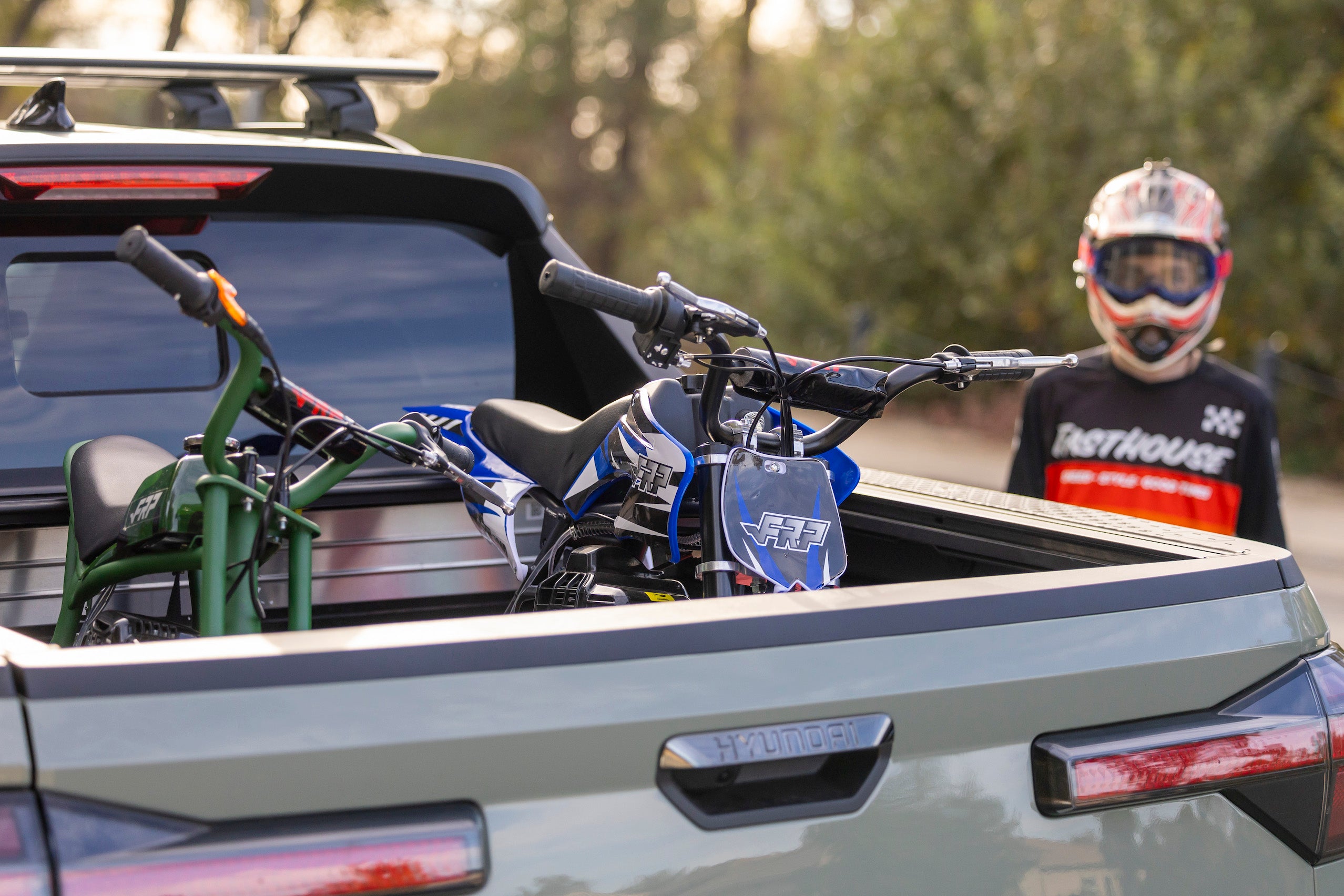
A pickup truck is one of the most common and flexible ways to move a dirt bike. The open bed gives you space, and the tailgate can be used as a ramp base.
Pros:
- Fits most dirt bikes easily
- No need for a trailer
- Good for quick trips
Cons:
- Exposes bike to weather
- Can scratch your truck bed if not careful
Using A Trailer
A motorcycle trailer is perfect if you need to carry more than one bike or your vehicle does not have a big enough bed.
Pros:
- Can haul multiple bikes
- More storage for gear
- Less stress on your main vehicle
Cons:
- Requires a hitch
- Needs extra parking space
Hitch-mounted Carrier
A hitch-mounted carrier is a metal rack that attaches to your vehicle’s trailer hitch. It’s popular for SUVs and smaller trucks.
Pros:
- Simple, space-saving
- Easy to load/unload
- Keeps bike upright
Cons:
- Weight limit (usually 500 lbs)
- Can block rear access
Inside A Van
A cargo van or large minivan keeps your dirt bike out of the weather. Just make sure it fits—measure the bike and van first.
Pros:
- Weather protection
- Secure from theft
Cons:
- Takes up all van space
- Loading can be tricky without a ramp
Preparing Your Dirt Bike For Transport
Before you even think about moving your bike, you need to do a few things to prepare it. Many beginners miss these steps and end up with leaks, damage, or a mess.
- Clean Your Bike: Mud, dirt, and debris can fall off during transport and make a mess of your vehicle or attract pests.
- Check Fluids: Make sure your fuel tank is less than half full. This reduces fire risk and leaks.
- Inspect Tires: Fully inflated tires help the bike sit stable during the ride.
- Remove Loose Parts: Take off or secure anything that might shake loose (mirrors, GPS units, saddlebags).
- Lock the Handlebars: If your bike has a steering lock, engage it. This stops the front wheel from turning side to side.
- Protect Sensitive Areas: Use foam or towels to cover the levers and foot pegs to avoid scratches.
Loading The Dirt Bike Safely
This is where many accidents happen. Lifting a dirt bike alone is risky, and dropping it can lead to broken parts or even injuries. Here’s how to load your bike the right way.
Using A Ramp
A dirt bike ramp is the safest tool for loading. Aluminum ramps are light and strong. Always check the ramp’s weight rating.
- Place Ramp Securely: Make sure the ramp is attached or strapped to the truck or trailer. Unstable ramps are a top cause of loading accidents.
- Use a Step Stool: If your vehicle is high, a step stool gives you better balance.
- Walk the Bike Up: Stand on one side, hold the handlebars, and walk the bike up the ramp. Don’t ride it up—the risk of slipping is high.
- Get Help: For heavy bikes, ask a friend to help push or steady the bike.
Lifting Without A Ramp
If you don’t have a ramp, you can lift the bike with two people—one at the front, one at the back. Bend your knees, not your back.
Warning: Lifting alone is not safe for most people. Dirt bikes can weigh 200–300 lbs.
Securing The Dirt Bike For Transport
Proper tie-down is the most critical step. Even a small movement during transit can bend forks, break parts, or cause a wreck. Here’s how to do it right.
Tools You Need
- Ratchet straps or cam buckle straps (at least 4)
- Soft loops to protect handlebars
- Wheel chock (optional, but adds stability)
Where To Attach Straps
Always attach straps to solid points. The best places are:
- Handlebars (use soft loops to avoid scratches)
- Triple clamp (the part above the forks)
- Foot pegs (for extra security)
How To Tie Down
- Front End First: Attach straps from each handlebar to anchor points in the truck or trailer. Pull the bike forward, compressing the suspension slightly.
- Back End: Attach straps from the rear of the bike (frame or foot pegs) to the anchor points.
- Check Tension: Straps should be tight but not crushing the suspension. Too much pressure can damage fork seals.
- Test for Movement: Shake the bike gently—if it rocks, tighten straps more.
Fork Saver
A fork saver is a block placed between the front tire and fender. It prevents the suspension from over-compressing, which can cause leaks.
Comparing Transport Methods
Here’s a quick look at how different transport methods compare in cost, security, and ease.
| Method | Average Cost | Security | Ease of Loading |
|---|---|---|---|
| Pickup Truck | $0 (if owned) | Medium | Easy with ramp |
| Trailer | $800–$2000 | High | Very easy |
| Hitch Carrier | $150–$500 | Medium | Moderate |
| Van | $0 (if owned) | High | Moderate |
Common Mistakes To Avoid
Many people make simple mistakes that can lead to expensive damage or even accidents. Watch out for these:
- Using Cheap Straps: Low-quality straps can break or slip. Always use motorcycle-rated straps.
- Not Checking Tie-Downs: Straps can loosen during travel. Check them after the first 10–15 miles.
- Ignoring Weight Limits: Make sure your truck, hitch, or trailer can handle the bike’s weight.
- Forgetting to Lock the Bike: Bikes are often stolen during stops. Use a lock through the wheel or frame.
- Transporting with Full Tank: A full tank can leak or spill. Less fuel is safer and lighter.
Credit: riskracing.com
Essential Accessories For Safe Transport
Certain tools and accessories make the process much safer and easier.
Ramp
A strong, non-slip ramp is key for safe loading. Look for a ramp at least 7–8 feet long and 12 inches wide for one bike.
Wheel Chock
A wheel chock holds the front wheel in place and keeps the bike from rolling or tipping. Some chocks are bolted down, others are portable.
Fork Saver
As mentioned earlier, a fork saver protects your suspension. It is a small investment that prevents costly repairs.
Tie-down Straps
High-quality ratchet straps are more secure than basic cam buckle straps, especially for long trips.
Soft Loops
Soft loops prevent straps from scratching your handlebars or frame. They also make it easier to position the bike exactly where you want it.
Security Lock
A strong U-lock or cable lock adds extra protection, especially if you need to leave your bike unattended.
Practical Loading And Unloading Tips
Even experienced riders sometimes struggle with loading or unloading. These tips can save you trouble:
- Park on Level Ground: Uneven surfaces make loading much harder and less safe.
- Wear Gloves: They improve grip on the ramp and protect your hands.
- Unstrap Slowly: When unloading, loosen straps in stages so the bike does not suddenly tip.
- Use a Spotter: Having someone guide you helps prevent mistakes, especially if you can’t see all angles.

Credit: www.blackwidowpro.com
Insurance And Legal Requirements
Transporting a dirt bike across state lines or in some countries can have legal and insurance rules. For example, some states require the bike to be registered or insured even when on a trailer. Always check local laws before a long trip.
Also, confirm your auto insurance or homeowner’s insurance covers the bike during transport. Some policies only protect the bike if it is inside a locked trailer or van.
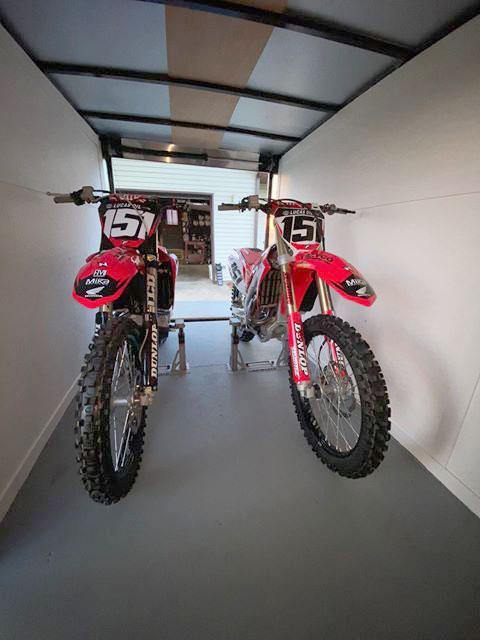
How To Transport Multiple Dirt Bikes
If you have more than one dirt bike, the basic steps are the same, but you need extra planning.
- Use a Larger Trailer: Most standard motorcycle trailers can hold 2–3 bikes.
- Stagger the Bikes: Alternate the direction of each bike (one forward, one backward) to fit more easily.
- Extra Straps: Use at least two straps per bike, more if you have space.
- Watch Handlebar Clearance: Make sure handlebars and foot pegs do not touch other bikes.
Here’s a quick look at how much space is needed for two or three dirt bikes in a trailer.
| Number of Bikes | Minimum Trailer Length | Trailer Width |
|---|---|---|
| 1 | 6 feet | 4 feet |
| 2 | 8 feet | 5 feet |
| 3 | 10 feet | 6 feet |
What If You Need To Ship A Dirt Bike Long Distance?
Sometimes you need to move your dirt bike across the country or even overseas. In this case, you have two main options:
- Professional Motorcycle Shipping: Many companies specialize in moving motorcycles. They provide crates and take care of all handling.
- Freight Shipping: If you are shipping with other household goods, you can crate the bike and send it with a freight carrier.
Tip: Always remove the battery and drain fuel for air or sea shipments, as required by law.
A reputable source to learn more about shipping bikes internationally is the uShip Motorcycle Shipping Guide.
Frequently Asked Questions
How Many Tie-down Straps Do I Need For One Dirt Bike?
You should use at least four tie-down straps—two for the front and two for the rear. This ensures the bike is stable from all sides and reduces the risk of movement during transport.
Can I Lay A Dirt Bike On Its Side For Transport?
It’s not recommended. Laying a bike on its side can cause oil and fuel leaks and may damage the handlebars, levers, or plastics. Always keep the bike upright and secured.
Do I Need A Special License To Tow A Trailer With Dirt Bikes?
In most places, a regular driver’s license is enough for small trailers. However, larger or heavier trailers may require a special endorsement. Always check your local DMV or transport office for the exact rules.
How Do I Protect My Dirt Bike From Theft During Stops?
Use a strong lock through the frame or wheel and park in visible, well-lit areas. If possible, keep the bike inside a locked trailer or van. Insurance is also a smart backup.
What Is The Safest Way To Unload A Dirt Bike?
Use a ramp on level ground. Walk the bike down slowly, controlling its speed with the brakes. Have a friend help you guide and steady the bike, especially if the ramp is steep.
Transporting your dirt bike safely takes a little extra work, but it protects your investment and ensures you can ride without problems at your destination. With the right tools, preparation, and knowledge, you can move your bike almost anywhere confidently and securely.
Credit: www.frpmoto.com