Transporting an e-bike is not always as easy as moving a regular bicycle. E bikes are heavier, often larger, and come with sensitive electrical parts that need extra care. Whether you’re planning a road trip, moving to a new city, or heading out for a cycling adventure, knowing how to move your e-bike safely is essential. The right methods can protect your investment, prevent damage, and save you headaches down the road.
Many riders assume transporting an e-bike is simple—just lift it into a car or strap it onto a rack. But missing small steps can lead to expensive repairs or even safety hazards. This guide gives you the practical steps, real-world tips, and important warnings you won’t find in most quick guides.
You’ll learn not just the basic methods, but also smart ideas and insights from experienced e-bike owners.
Understanding E Bike Transport Challenges
E bikes are different from regular bicycles in key ways. The main challenge is their weight. Most e bikes weigh between 20 to 32 kg (45 to 70 lbs), with some models even heavier. Their batteries and motors add bulk and require careful handling.
Another challenge is the frame design. Many e bikes have thicker frames, integrated wiring, and non-standard shapes that do not fit all bike racks. The electrical system is also sensitive to moisture, shock, and vibration during transport.
E bike transport is not just about convenience—damage during transit can void warranties or cause costly repairs. That’s why it’s important to understand the risks before you start.
Preparing Your E Bike For Transport
Before you move your e-bike, spend some time on preparation. This step is often skipped, but it makes a big difference.
- Remove the Battery: Always take out the battery if possible. This reduces weight, protects the battery from shock, and prevents accidental activation.
- Secure Loose Parts: Remove or tighten parts like lights, displays, or pedals that could be damaged or lost.
- Check Tire Pressure: Properly inflated tires help protect the rims and absorb vibration.
- Protect Sensitive Areas: Cover the chain, motor, and display with soft materials or bubble wrap.
- Clean Your Bike: Dirt can scratch paint or get into moving parts during transport.
- Lock the Wheels: Prevent the wheels from spinning with straps or ties.
Non-obvious insight: Label your battery and charger with your name and phone number. If you transport multiple bikes or travel with friends, this avoids mix-ups.

Credit: www.enthuze.ca
Transporting E Bikes By Car
Moving your e-bike by car is common, but not all methods are equal. Here are the main options:
Inside The Vehicle
- Best for: Small to medium e bikes, hatchbacks, SUVs, vans
- How to do it: Fold down the back seats, lay the bike on its side with soft padding underneath. Remove the front wheel if needed.
- Advantages: Protection from weather and theft.
- Drawbacks: Takes up much space, can be hard to lift heavy bikes.
Tip: Use an old blanket or yoga mat to prevent scratches on both the bike and car interior.
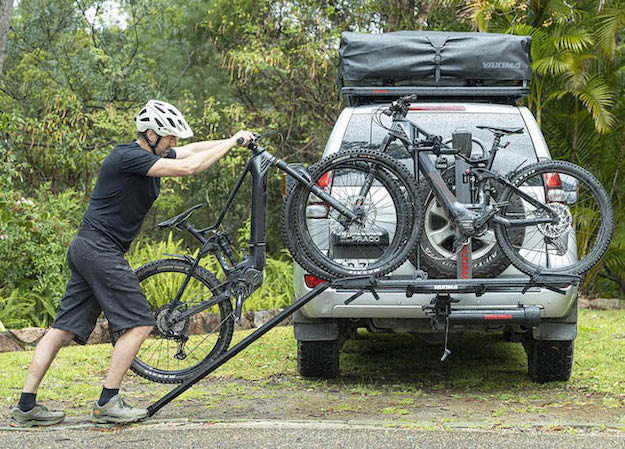
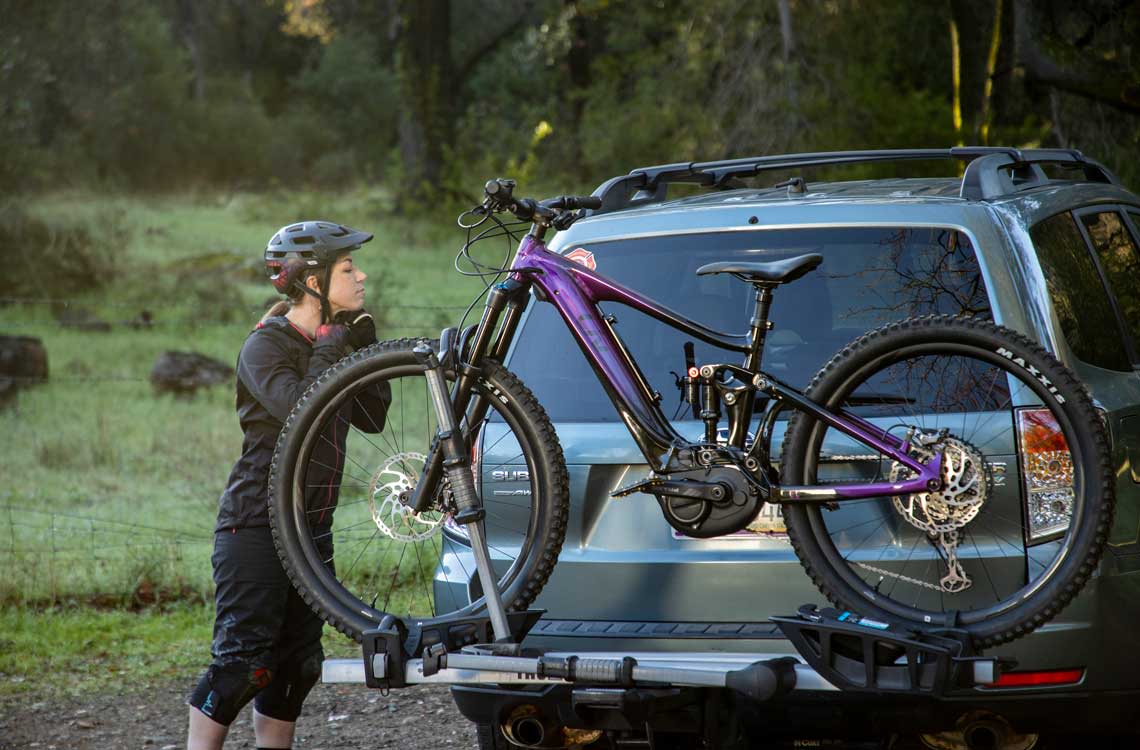
On A Bike Rack
There are several types of car racks for transporting e bikes. Not all racks are strong enough for heavy models.
| Rack Type | Weight Limit | Pros | Cons |
|---|---|---|---|
| Hitch Rack | Up to 70 kg (154 lbs) | Easy loading, stable, good for heavy bikes | Requires hitch, can block trunk |
| Trunk Rack | Up to 35 kg (77 lbs) | Fits most cars, affordable | Lower weight limit, less stable |
| Roof Rack | Up to 25 kg (55 lbs) | Keeps trunk free | Hard to lift heavy bikes, wind drag |
Important: Always check the rack’s maximum weight capacity. Most e bikes are too heavy for standard trunk or roof racks.
Securing The E Bike On A Rack
- Remove the battery and any loose parts.
- Use frame adapters if your e bike has a step-through or irregular frame.
- Tighten all straps or clamps. Check that the bike does not sway.
- Lock the bike to the rack, and the rack to the car.
Non-obvious insight: On long trips, stop after the first 15 minutes to check straps and clamps. Vibrations can loosen them, especially with heavier bikes.
Transporting E Bikes By Train Or Bus
Each train and bus line has its own rules for e bikes. Some allow them, some do not, and some require special tickets.
- Regional trains: Many allow bikes, but e bikes may need a reservation due to size and weight.
- Long-distance trains: Some restrict e bikes, especially those with large batteries.
- Buses: Most city buses do not allow e bikes. Intercity buses may let you store them in the cargo area.
Tips for public transport:
- Remove the battery and keep it with you.
- Cover the e bike to avoid dirtying other luggage.
- Arrive early to secure space, as spots are limited.
Always check the company’s website or call ahead for current rules.
Transporting E Bikes By Airplane
Flying with an e-bike is complicated. Most airlines do not allow large lithium-ion batteries in checked luggage due to fire risk. The typical e bike battery (300-700 Wh) is over the limit for carry-on or checked bags.
Options:
- Ship the battery separately with a certified carrier.
- Rent a battery at your destination.
- Use an airline that accepts e bikes (rare and usually requires special arrangements).
If you fly without the battery, pack the e bike in a hard bike case or sturdy cardboard box. Remove pedals, turn handlebars, and protect the frame.
Example: A flight from London to Berlin may allow your e bike as oversized luggage, but you’ll need to ship the battery using a service like DHL’s “Dangerous Goods” option.
Shipping E Bikes By Courier Or Freight
For long-distance moves, you can ship your e bike with a courier or freight company. Costs range from $100 to $400, depending on distance and packaging.
Packing For Shipping
- Use the original box if available, or get a bike shipping box from a shop.
- Remove wheels, pedals, handlebars, and battery.
- Wrap parts in bubble wrap or foam.
- Fill empty spaces to prevent movement.
Choosing A Shipping Service
Some companies specialize in bikes or e bikes and offer insurance. Compare options:
| Shipping Option | Average Cost (Domestic) | Insurance | Battery Policy |
|---|---|---|---|
| Standard Courier | $100 – $200 | Optional, extra fee | Usually No Batteries |
| Bike Shipping Specialist | $150 – $350 | Included or optional | Some allow batteries |
| Freight Company | $300 – $400+ | Included | By arrangement |
Tip: Always insure your shipment for the full value of the e bike, especially for international shipping.
Transporting Multiple E Bikes
Taking more than one e bike adds complexity. Most car racks hold only two heavy bikes. For three or more, consider a small trailer or a van.
- Vans: Remove front wheels, stand bikes upright, and secure with straps.
- Trailers: Use foam blocks or rails to separate bikes. Cover with a tarp for weather protection.
Warning: Never stack e bikes directly on top of each other. The weight and pressure can damage frames and wheels.
Storing E Bikes During Transport
Short stops can be risky. Thieves target high-value e bikes, especially at gas stations and rest areas.
- Always lock the bike to a fixed object, even on a rack.
- Use two locks: A U-lock for the frame and a cable for wheels.
- Remove the display and battery if you leave the bike unattended.
Non-obvious insight: Cover your e bike with a simple tarp or bike cover while on the rack. This reduces theft risk by hiding the model and brand.
Credit: electricbikesbrisbane.com.au
Legal And Insurance Considerations
Different regions have rules for transporting e bikes. Some U. S. states and European countries require bikes to be securely fastened and not block license plates or lights. Fines can be high for violations.
- Check your car insurance—damage during transport may not be covered.
- Some home insurance policies include bikes, but only if you follow safety guidelines.
- If using a courier, read the terms about e bikes and batteries.
Common Mistakes To Avoid
- Overloading racks: Using a rack not rated for your bike’s weight can cause accidents.
- Ignoring battery rules: Trying to fly with a battery can result in fines or confiscation.
- Poor packing: Loose parts inside a box can damage the bike.
- Not checking local laws: Some cities ban e bikes on public transport or require permits for trailers.
- Forgetting to re-tighten: Long drives loosen straps—always check at stops.
Credit: www.liv-cycling.com
Practical Tips From Experienced E Bike Owners
- Use furniture moving straps for extra security inside vehicles.
- Put a towel between bikes if you must transport two together.
- Take photos of your packed bike for insurance proof.
- Always carry a small toolkit in case you need to adjust or fix something after the journey.
- If you’re not sure about a method, ask your local bike shop—they often have practical advice or can help with packing.
Frequently Asked Questions
How Do I Transport An E Bike Without Removing The Battery?
It’s best to remove the battery for safety and weight reasons. If you must keep it on, ensure the bike is upright and well-padded. Avoid air travel, as batteries are restricted.
Can I Use A Regular Bike Rack For My E Bike?
Most regular racks are not strong enough for e bikes. Always check the rack’s weight rating. Use a hitch rack designed for heavy bikes.
Are There Special Rules For Transporting E Bikes On Trains?
Yes. Some trains allow e bikes, others do not. Check the operator’s website and book a bike spot if needed. Remove the battery and cover the bike for easier transport.
What’s The Safest Way To Ship An E Bike Overseas?
Use a specialist bike shipping service. Ship the battery separately with a carrier that handles dangerous goods. Insure both the bike and battery for their full value.
Do I Need To Declare My E Bike When Crossing Borders?
In many countries, you do not need to declare a personal e bike. However, large batteries may require special paperwork. Always check local customs rules before travel.
For more details on e bike battery regulations and transport, you can visit the official Wikipedia page on electric bicycles.
Transporting your e bike doesn’t have to be stressful. With the right preparation, equipment, and knowledge, you can travel confidently and protect your valuable ride. Take time to plan your journey, follow best practices, and your e bike will arrive safe and ready for adventure.