Living with sciatica can be frustrating. The sharp pain, tingling, or numbness running down the leg makes everyday activities tough. For people searching for safe ways to stay active, the recumbent bike often comes up as a gentle exercise option. But is a recumbent bike truly good for sciatica? Let’s look at the facts, benefits, risks, and what experts say.
Understanding Sciatica And Exercise
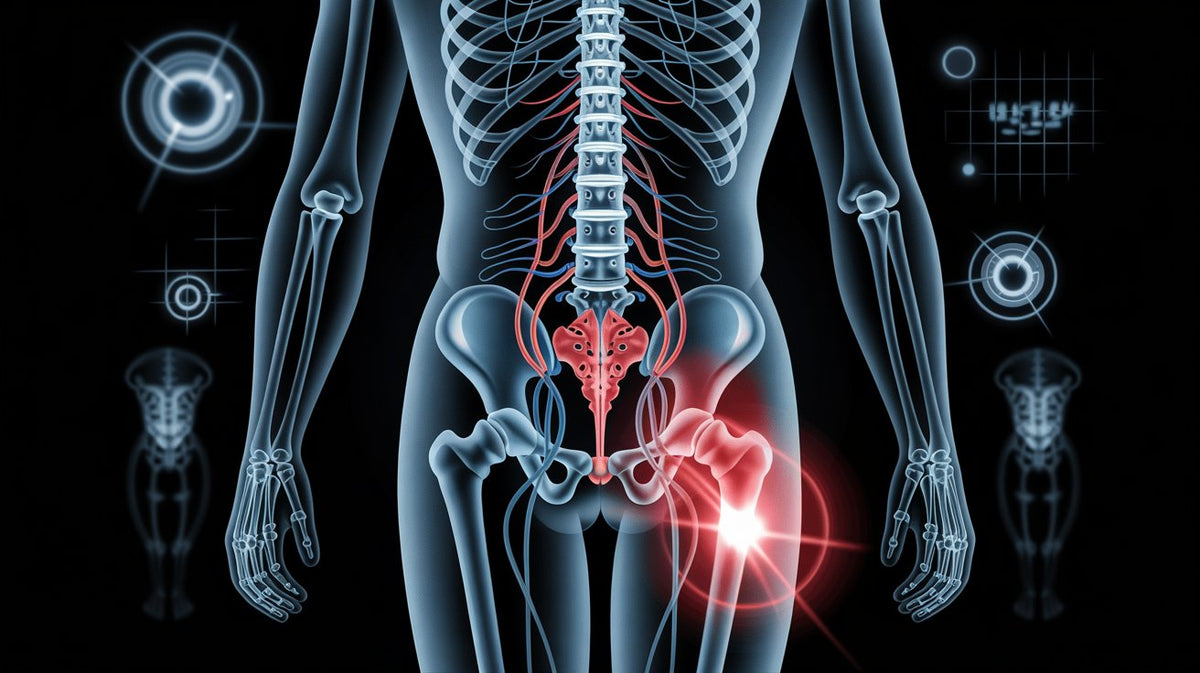
Sciatica is not a disease. It is a symptom caused by irritation or compression of the sciatic nerve, usually from a herniated disc or spinal stenosis. The pain can be mild or severe and often affects one side of the body. Movement is sometimes painful, but regular exercise is important for managing symptoms.
Doctors often recommend low-impact exercise for sciatica. Activities like walking, swimming, and cycling can help keep the back and legs strong. But not all types of exercise are equal. Choosing the right equipment matters.
How Recumbent Bikes Work
A recumbent bike is a stationary exercise bike with a reclined seat and back support. Your legs extend forward instead of downward. This position is different from upright bikes, which have smaller seats and no backrest.
Here is a simple comparison between recumbent and upright bikes:
| Feature | Recumbent Bike | Upright Bike |
|---|---|---|
| Seating Position | Reclined with back support | Upright, no back support |
| Impact on Spine | Low | Medium to high |
| Pressure on Joints | Minimal | Moderate |
| Leg Position | Forward | Downward |
This unique design makes the recumbent bike attractive for people with back or nerve issues.
Credit: www.vanswefitness.com
Why A Recumbent Bike Can Be Good For Sciatica
Many health professionals support recumbent cycling for those with sciatica. Here’s why:
- Lower Back Support: The large backrest keeps the spine in a neutral, supported position. This reduces pressure on the lumbar discs, which can help avoid nerve irritation.
- Reduced Hip Flexion: The forward leg movement keeps the hips more open. Less hip flexion means less pulling on the lower back and sciatic nerve.
- Low Impact: Unlike running or walking on hard surfaces, recumbent bikes do not jar the body. The smooth cycling motion is gentle on the joints and nerves.
- Muscle Engagement: Recumbent cycling strengthens the glutes, quadriceps, and hamstrings. Stronger muscles support the spine and can help prevent future flare-ups.
In a study published by the National Institutes of Health, patients with chronic low back pain, including sciatica, showed improvement in symptoms with stationary cycling exercises.
Common Mistakes When Using A Recumbent Bike
Even with a good tool, mistakes can make symptoms worse. Here are common errors to avoid:
- Incorrect seat position: If the seat is too close or too far, you might strain your knees or back.
- Poor posture: Leaning forward or slouching reduces the benefit of the backrest.
- Too much resistance: High resistance settings can strain the muscles and increase pain.
- Long sessions: Overworking can cause muscle fatigue and worsen nerve irritation.
Here is a quick look at what to check before you start:
| Factor | Correct | Incorrect |
|---|---|---|
| Seat Distance | Knee almost straight at farthest pedal point | Knee too bent or overextended |
| Back Position | Back fully supported | Slouching or leaning forward |
| Pedal Resistance | Light to moderate | Heavy, hard to pedal |
| Workout Duration | 20–30 minutes | Over 45 minutes without break |
How To Use A Recumbent Bike Safely With Sciatica
Follow these tips for a safer and more effective workout:
- Adjust your seat so your legs almost straighten when pedaling.
- Keep your back pressed against the backrest during the session.
- Start with low resistance and short sessions (10–15 minutes).
- Increase time and resistance slowly as your comfort improves.
- Stop immediately if you feel shooting pain, numbness, or weakness.
If your pain increases during or after cycling, talk to your doctor or physical therapist.
When A Recumbent Bike May Not Be Ideal
While recumbent bikes are safe for most, they are not for everyone. Some cases of sciatica are very sensitive to any hip or leg movement. If you have severe disc herniation, recent back surgery, or leg weakness, get medical advice first.
Another thing beginners often miss is the importance of overall movement. Only using a recumbent bike may not be enough. Add stretching, core exercises, and walking for a balanced approach.
Real-life Example: Recovery Story
Consider Anna, a 45-year-old office worker. After a slipped disc, she had constant sciatica. Walking was painful, but her physical therapist suggested a recumbent bike. Anna started with five minutes daily at low resistance. Over three months, she increased to 20 minutes and added mild stretching.
Her pain decreased, and she regained leg strength.
Stories like Anna’s are common, but everyone’s recovery is different. Listen to your body and progress at your own pace.
Comparing Recumbent Bike To Other Cardio Options
How does the recumbent bike compare to other popular options for people with sciatica?
| Exercise | Impact Level | Back Support | Ease for Sciatica |
|---|---|---|---|
| Recumbent Bike | Very Low | Excellent | High |
| Upright Bike | Low | Poor | Medium |
| Treadmill Walking | Medium | None | Low to Medium |
| Elliptical | Low | Minimal | Medium |
| Swimming | Very Low | Neutral | High |
From this, it’s clear recumbent bikes and swimming are often best for sciatica.

Credit: www.lapitadearborn.com
What The Experts Say
Physical therapists often choose recumbent cycling for sciatica patients. The American Academy of Orthopaedic Surgeons supports stationary cycling as a safe option for back pain relief. For more details, see their guidelines at AAOS OrthoInfo.
Two insights many people miss:
- Good seat and pedal setup is more important than workout intensity for nerve pain relief.
- Varying exercise routine (not just cycling) gives better long-term results for sciatica.
Frequently Asked Questions
Can A Recumbent Bike Make Sciatica Worse?
If the seat is set up wrong or the resistance is too high, it can increase back or nerve pain. Always start with low intensity and listen to your body.
How Long Should I Use A Recumbent Bike For Sciatica?
Begin with 10–15 minutes and increase to 20–30 minutes as you feel better. Overdoing it can cause muscle fatigue and may irritate the sciatic nerve.
Is A Recumbent Bike Better Than Walking For Sciatica?
For many people, yes. The recumbent bike offers better back support and less impact than walking, especially during flare-ups.
Should I Stretch Before Using A Recumbent Bike?
Yes, gentle stretching helps warm up the muscles and can reduce the risk of injury. Focus on the legs, hips, and lower back.
When Should I Avoid Using A Recumbent Bike?
If you have severe pain, numbness, or recent surgery, ask your doctor before starting any new exercise. Stop immediately if you feel worse during or after cycling.
A recumbent bike can be a smart choice for many people with sciatica. With proper setup, gradual progress, and attention to your body, it offers a safe and effective way to stay active and support recovery. Always check with your healthcare provider before beginning any new exercise, and remember—consistency and moderation are key.

Credit: jordanianschoolqatar.com