Why does my gravel bike slide on loose gravel? Usually, the tires cannot hold grip on moving stones. The surface shifts under the contact patch.
That shift can feel sudden, especially in corners.
Tire pressure changes the footprint more than most riders expect. As of 2026, many gravel tire manufacturers list 25 to 35 PSI as a starting point for 40mm tires. The right setup depends on rider weight, casing, and terrain.
Let’s sort out which slide you are feeling.
Gravel Bike Sliding on Loose? Try This Simple Fix Smooth
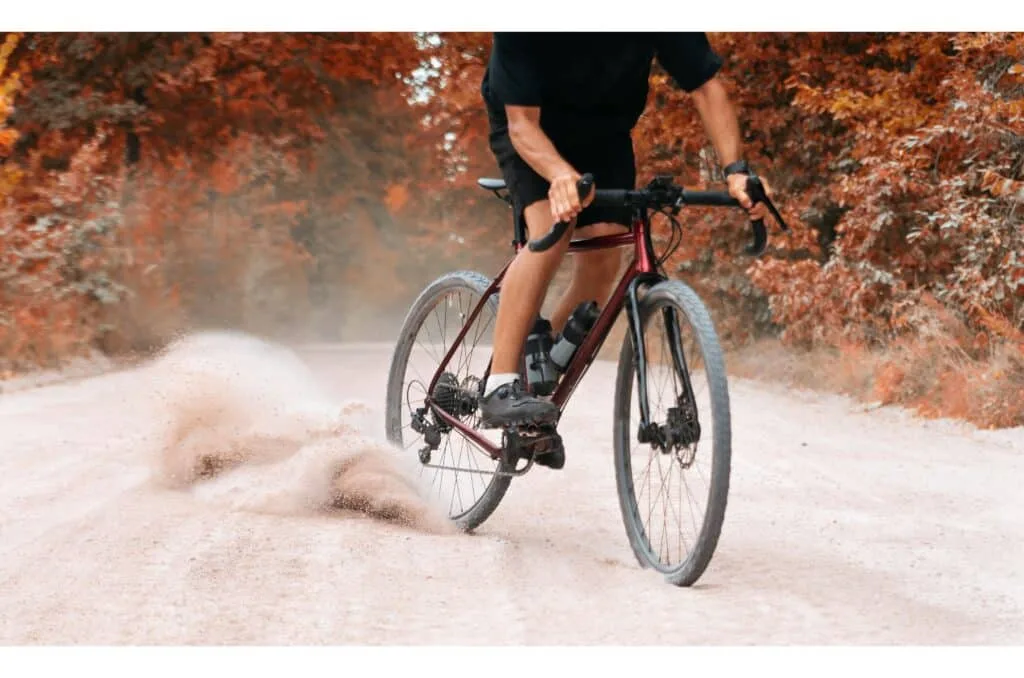
Image source: Bing (Web (fair-use with source credit))
Quick Answer
Why does my gravel bike slide on loose gravel? It slides because the tires cannot grip moving stones. Too much pressure makes the contact patch small and hard.
Too little pressure can make the casing squirm. Your weight and braking control traction.
Why Your Gravel Bike Feels Like It’s on Marbles: A Practical Troubleshooting Guide
A slide is rarely one failure. It is a chain reaction. The tire meets loose stone, the stone moves, and the bike follows.
If the rear steps out under power, the issue is usually traction delivery. If the front pushes wide in a corner, the issue is usually load, pressure, or braking.
Our research points to three buckets. Those buckets are equipment, setup, and rider input. Start with equipment because it is fastest to check.
How Your Tires Are Setting You Up to Slide
Your tires are the only contact point. If they are unhappy, the bike will feel nervous.
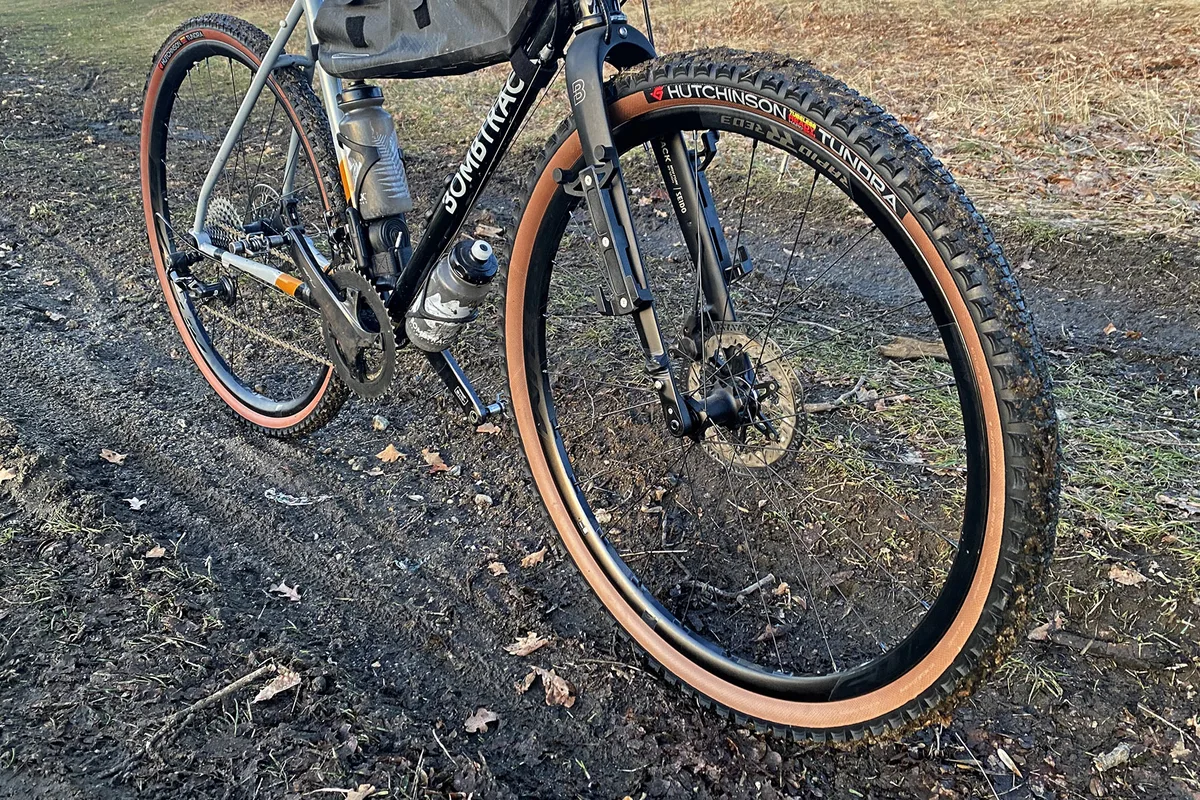
Image source: Bing (Web (fair-use with source credit))
Is tire pressure the main cause?
Usually, yes. An overinflated gravel tire acts like a basketball. It bounces off rocks instead of wrapping around them.
PSI means pounds per square inch. It describes the air pressure inside the tire. The contact patch is the part of the tire touching the ground.
Manufacturer specifications often list 25 to 35 PSI as a starting point for 40mm tires. Lighter riders can often go lower. Heavier riders or loaded bikes need more support.
If you need to top up away from home, a compact hand pump can save the ride. A floor pump routine helps you hit the same pressure every ride.
Does tread pattern matter?
Yes, especially when the surface is deep or wet. Smooth center treads roll fast, but they give up braking grip. Side knobs matter when you lean the bike.
- Slick tires: slide under braking in a straight line.
- Semi slick tires: can feel sudden when you lean into loose corners.
- Knobby gravel tires: give better cornering and climbing grip.
Could the bead or casing be the problem?
Sometimes. If the bead is not seated, the tire can squirm on the rim. That feels like a vague slide even with good pressure.
The casing is the fabric body of the tire. A soft casing can conform better, but a poorly seated bead can ruin the feel.
Check the bead line around both sides. It should look even. If it dips or wobbles, deflate, reseat, and inflate again.
The Setup: What Your Bike Is Doing Wrong
Even good tires can slide if the bike is fighting you.
Weight distribution
A gravel bike needs balanced weight. If your hands carry too much load, the front tire can feel sketchy. If your saddle is too high, your hips may rock.
Keep your weight through the pedals. Your hands should guide the bars, not support your torso.
If the front feels light on loose descents, shift your hips back. If the rear feels vague while climbing, check saddle height and fore/aft position.
Frame stiffness and suspension
A very stiff frame can transmit every bump into the contact patch. When the tire bounces, it loses grip. A small amount of compliance helps keep the tire on the ground.
If you have a suspension stem or fork, make sure it is not locked out on rough gravel. A locked suspension can make the bike skip instead of track.
Use Cases: When the Slide Usually Happens
Different slides need different fixes. Find the moment that matches your ride.
| Scenario | Why it slides | Fast fix |
|---|---|---|
| Climbing steep gravel | Too much torque and rear weight loss | Sit down, shift easier, smooth power |
| Descending loose gravel | Front brake overload and forward weight | Shift back, brake earlier, use both brakes lightly |
| Flat loose corner | Bike leaned without body support | Weight outside pedal, look through the turn |
| Straight line wobble | Tire bounce or hard casing | Lower pressure slightly, relax your grip |
If the rear slides when you pedal hard, check gearing first. If the front slides when you brake, check pressure and body position next.
If the sensation feels more like a drivetrain jerk than a tire slide, rule out chain issues. A skipping chain can mimic a rear slip. Our guide to fixing a skipping chain can help you separate those problems.
Step-by-Step: How to Diagnose Your Slide
Use this workflow before you buy anything.
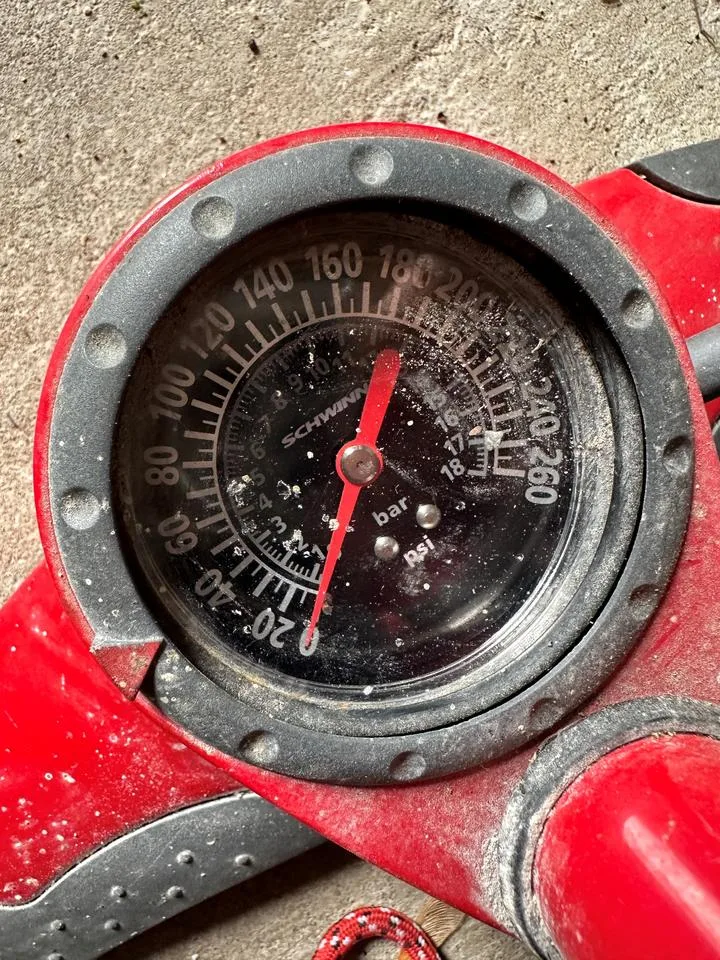
Image source: Bing (Web (fair-use with source credit))
- Check tire pressure with a gauge. Do not guess by feel.
- Drop 3 PSI from both tires. Ride the same loose section again.
- If the bike feels more planted, keep lowering in small steps. Stop if the tire feels squirmy in corners.
- Inspect the tread and bead. Look for uneven seating, cuts, or worn center tread.
- Check axle tightness. A loose thru axle can make the wheel feel vague.
- Test braking inputs. Brake in a straight line first. Then test gentle cornering.
A gauge should be accurate. NIST oversees U.S. measurement standards. That matters because a few PSI can change grip.
If the slide disappears after pressure changes, you found the main cause. If it stays, move to rider position and mechanical checks.
The Rider’s Mistakes: It’s Not Always the Bike
Riders often create slides without knowing it.
- Death grip: tight arms stop the front wheel from self correcting.
- Big gear mashing: too much torque spins the rear tire.
- Looking down: you steer toward what you stare at.
- Braking mid corner: the front tire cannot brake and steer at full grip.
If you feel a slide, do not chop your pedaling or grab a fistful of brake. Keep your inputs smooth. Let the bike move under you.
If braking feels inconsistent, clean braking surfaces before you blame technique. Dirty pads can make braking harsh and unpredictable.
Tools, Upgrades, and Adjustments That Help
Sometimes a small change makes the whole bike feel calmer.
- Wider tires: moving from 33mm to 40mm or 45mm adds air volume and grip.
- Tire inserts: foam inserts allow lower pressure with less pinch flat risk.
- Dropper post: a dropper post lowers the saddle while riding and helps you shift back.
- Suspension stem: a short travel stem can keep the front tire loaded.
These upgrades help, but they do not replace pressure and position. Fix the cheap stuff first.
If you carry gear, adjust pressure for total load. A loaded tourer needs more support than an unloaded race bike.
Common Myths About Gravel Sliding (And What’s Actually True)
Myth: lower pressure always fixes sliding. Truth: too little pressure can make the tire fold in corners.
Myth: drifting means you are fast. Truth: a rear drift can be manageable. A front slide is usually a crash.
Myth: gravel bikes just slide. Truth: surprise sliding in normal conditions usually points to setup or technique.
Myth: knobby tires fix everything. Truth: tread helps, but pressure and body position still decide grip.
Expert Tips for Riding Loose Surfaces Without Dying
These habits help when the road turns to marbles.
- Weight the outside pedal in corners.
- Keep your elbows bent and your grip light.
- Brake before the turn, not inside it.
- Look ahead to the smooth line.
- Keep cadence high and power steady on loose climbs.
If turns still feel sketchy, revisit cornering basics. Small position changes can make loose corners feel much calmer.
When to Check Your Frame and Wheels
If pressure and technique do not fix the slide, inspect the hardware.
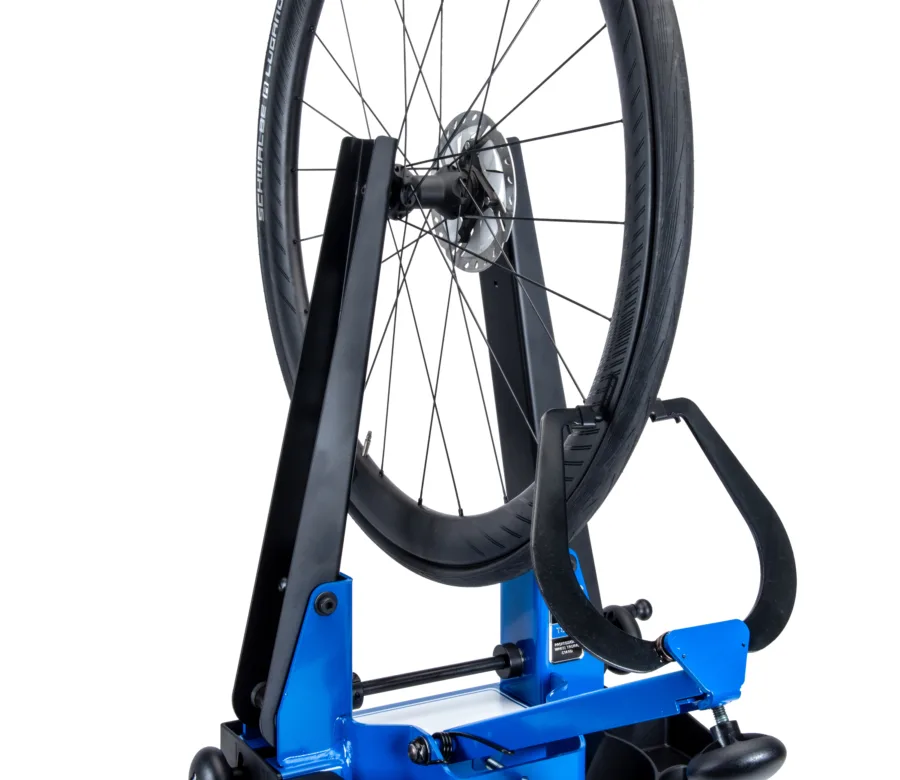
Image source: Bing (Web (fair-use with source credit))
Check wheel trueness first. A wobbly rim can create a rhythmic sliding feeling. A shop stand from Park Tool makes this easier.
Check spoke tension. Loose spokes can make the wheel feel soft. If you hear pinging or see a bent spoke, address it.
If needed, replacing damaged spokes should happen before the next ride.
Check axle torque and hub play. If the hub wiggles in the dropouts, the bike will feel vague. If you need to inspect the front hub, removing the front wheel is a quick next step.
Finally, check frame alignment after a crash. If the rear wheel does not track behind the front wheel, the frame may need service.
Key Takeaways
- Identify the slide first. Rear drifts usually involve power or braking. Front washes usually involve load or pressure.
- Lower pressure in small steps. Many gravel riders are overinflated.
- Check tread and bead. Side knobs matter in loose corners.
- Move your weight back on loose descents. Keep your hands light.
- Brake before turns. Avoid braking and steering at the same time.
- Inspect wheels and axles if the slide feels rhythmic or vague.
Frequently Asked Questions
Can tire pressure alone stop a gravel bike from sliding?
Tire pressure is often the biggest single fix. It changes the contact patch and how the tire conforms to stones. Still, pressure works with tread, casing, rider weight, and body position.
If the bike still slides after pressure changes, check technique and mechanical issues.
Why does the front wheel slide more in loose corners?
The front tire carries steering load. In a loose corner, it needs grip for turning and support. High pressure can shrink the contact patch.
Forward weight or mid turn braking can overload it. That overload makes the front wash out.
Should I lower tire pressure for wet gravel?
Usually, yes, but only in small steps. Wet gravel reduces traction and makes the surface slicker. Lower pressure can enlarge the contact patch.
Avoid going so low that the tire folds or risks rim damage. Check manufacturer limits before making large changes.
Can a loose thru axle make the bike feel like it is sliding?
Yes. A loose axle allows the wheel to shift slightly in the frame. That movement can feel vague, especially under braking or cornering.
Check axle tightness before assuming the tires are the problem. This is a quick and important check.
Are wider gravel tires always better for loose surfaces?
Not always, but they usually help. Wider tires allow lower pressure and a larger contact patch. They can feel slower on smooth pavement.
Choose width based on your terrain, clearance, and riding style. Most riders benefit from a balanced setup.
The Rider’s Mistakes: It’s Not Always the Bike
Rider input can turn a stable bike into a sliding one. The most common trigger is asking a tire to do two jobs at once.
Are you braking too late?
Yes, late braking is a major cause. Loose gravel needs speed scrubbed before the turn. If you brake while turning, the front tire can lose grip.
Are you pedaling too hard?
Hard torque can spin the rear tire. If the rear slips under load, shift to an easier gear. Keep cadence smooth.
If the slip feels like a jerk through the drivetrain, check hard pedaling slip before blaming the tires.
Common habits to fix:
- Keep elbows bent.
- Look ahead, not down.
- Relax your grip.
- Brake before the turn.
- Shift your weight back on descents.
Tools, Upgrades, and Adjustments That Help
Small changes can improve control. They work best after pressure and position are sorted.
| Change | Best for | Caution |
|---|---|---|
| Wider tires | More grip and comfort | Check frame clearance |
| Tire inserts | Lower pressure without pinch flats | Can add weight |
| Dropper post | Loose descents and steep terrain | Needs frame routing |
| Suspension stem | Rough washboard | Can feel vague if too soft |
Should you go tubeless?
Tubeless setups often help. They allow lower pressure and reduce pinch flats. Sealant can also plug small punctures.
Is rim width important?
Yes. A wider rim supports the tire casing. That support helps the tire feel stable in corners.
Manufacturer specs usually list a recommended rim width range.
Common Myths About Gravel Sliding (And What’s Actually True)
Myths can lead to bad setup choices. Here are the big ones.
Myth: more knobs always mean more grip
Not true. Tread design matters as much as knob count. A tire with well spaced side knobs can corner better than a crowded tread.
Myth: lower pressure is always safer
Too low can cause tire squirm. It can also increase rim damage. The goal is enough pressure to support your weight and cargo.
Myth: sliding means the bike is broken
Sometimes it is setup. Sometimes it is technique. Loose gravel moves, so a small drift can be normal.
Myth: heavier riders cannot get grip
Heavier riders need different pressure and casing support. With the right setup, they can get strong traction.
Expert Tips for Riding Loose Surfaces Without Dying
These habits reduce surprise slides.
- Pick the smoothest line. Avoid deep piles and sharp rocks.
- Keep momentum steady. Too slow can make the bike wallow.
- Shift your hips back on loose descents. This keeps the front tire loaded.
- Let the bike move under you. Do not fight every wiggle.
- Practice small slides in a safe area. Learning rear drift control builds confidence.
What if the front starts to push?
Ease off the front brake. Shift weight slightly back. Look where you want to go.
Do not yank the bars.
What if the rear steps out?
Stay calm. Reduce pedal torque. Keep the front wheel pointed where you want to travel.
A small rear slide is often recoverable.
When to Check Your Frame and Wheels
If the slide feels rhythmic, inspect the wheels. A wheel that is out of true can pull the tire side to side.
What should you check first?
Check axle torque. A loose axle can shift under load. Then check spoke tension and rim trueness.
Could bearings cause the problem?
Yes. Worn hub bearings can create play. A loose headset can also make the front feel vague.
Lift the wheel and check for movement.
When should a shop handle it?
If the frame is bent, if spokes are broken, or if the wheel is badly out of true, get professional help. Riding with damaged wheels can worsen the problem.
If you travel with your bike, inspect everything after transit. A quick check can prevent odd handling. Our guide to safe bike packing can help you avoid damage.
Key Takeaways
Traction problems usually trace back to pressure, tread, body position, or mechanical play.
- Rear slip under power means too much torque. Use an easier gear.
- Front washout means the tire is overloaded. Lower pressure slightly.
- A rhythmic wobble points to wheels or axles. Check trueness and hub play.
- Small changes matter. A 3 PSI adjustment can change grip.
Quick Decision Guide for Your Next Loose Ride
Use the symptom to pick the first fix. Change one variable at a time.
| Symptom | First fix |
|---|---|
| Rear spins on climbs | Easier gear and seated power |
| Front pushes in corners | Lower front pressure by 2 PSI |
| Bike wanders straight | Check axle torque and trueness |
| Slide only while braking | Brake earlier and clean pads |
This keeps troubleshooting simple.
Maintenance Habits That Prevent Surprise Slides
Consistent maintenance keeps traction predictable.
Check pressure before every gravel ride. Air leaks slowly, and a gauge catches changes early.
Inspect the bead after tire changes. An uneven bead line can make a good tire feel vague.
Check axle torque and hub play monthly. Loose parts create vague handling that riders often blame on tires.
Safety Checks Before You Commit to Loose Descents
A slide at speed can become a crash fast. Run a short check before steep loose sections.
Test traction on a safe patch. Brake gently and turn slightly to feel the surface.
Confirm your brakes feel firm. Soft levers or rubbing pads need attention first.
If the front tire repeatedly washes, stop riding. Repeated front slides need correction before you continue.
Frequently Asked Questions
Can lower tire pressure fix every slide?
No. Lower pressure helps when the tire bounces or the contact patch is too small. Too little pressure can cause squirm, rim damage, or pinch flats.
Adjust in small steps. Your rider weight and cargo matter too. Check manufacturer limits each time.
Why does my bike slide only when I brake?
Braking shifts weight forward and loads the front tire. If you brake while turning, the tire may lose grip. Brake earlier in a straight line.
Clean pads and rotors if the bite feels harsh. Check pressure before assuming a brake fault.
Should I use different pressure front and rear?
Often, yes. The rear carries more load and needs more support. The front can run slightly lower for better steering grip.
Keep both pressures within the tire manufacturer range. Record your settings for repeatable rides. Adjust for cargo and wet ground.
When is a slide a mechanical problem?
A slide is mechanical when it feels rhythmic or appears with wobble. Check wheel trueness, axle torque, hub play, and headset play. If parts feel loose, stop riding.
A shop should inspect bent frames or damaged spokes. Do not ignore clicking sounds.